
I Want to Be Needed — A Longing for Belonging and Love
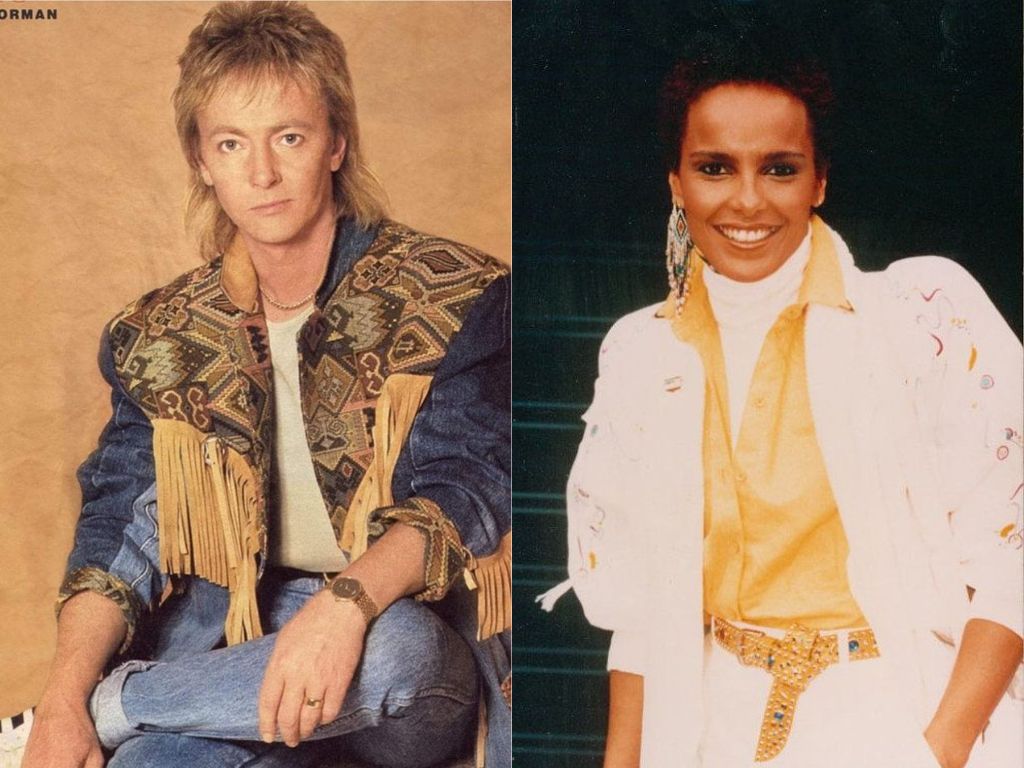
When Shari Belafonte & Chris Norman sing “I Want to Be Needed,” they encapsulate the tender ache of wanting to matter, to be indispensable in someone’s heart a deeply emotional plea carried on soft rock currents and nostalgic longing.
This song, released in 1987, became the most successful single by the duo, charting in Germany for three weeks and peaking at No. 63. It later appeared on Shari Belafonte’s album Eyes of Night and on Chris Norman’s album Hits from the Heart.
The Story Behind the Song
To understand “I Want to Be Needed,” one must first look at the people behind it. Shari Belafonte, daughter of the legendary Harry Belafonte, traversed a path that blended acting, modeling, and singing. Her voice carried a gentle sincerity, and this song was her first single a heartfelt proclamation, vulnerable yet poised.
Then there is Chris Norman, best known as the lead vocalist of the soft-rock band Smokie. His voice was familiar to millions, tinged with world-weariness and warmth qualities that gave this duet a timeless emotional depth.
The song was written by Jeff Silverman and John Philip Shenale, produced by Silverman, John O’Flynn, and Joan Haliver. Shenale, notably, went on to contribute to many important works in the music world, showing just how much creative firepower was behind this piece.
A Deep Sense of Yearning — The Meaning of the Song
At its core, “I Want to Be Needed” is about the ache of emotional connection, about the fragile beauty of being wanted and the fear of being forgotten. From the first lines:
“When you’re gone from today / I felt we were lost all our yesterday.”
We hear a voice yearning for stability, for the return of a loved one. That person had once left perhaps permanently, or so it seemed and now, returning, makes everything all too clear. The singer confesses a raw truth: “I need to be wanted again.”
There is sorrow in remembering what was, regret for moments lost, and confusion over emotions that turned “twisted” in absence. But there is also courage: courage to come back, to admit vulnerability, to open one’s arms again in love, hoping the bond can be rebuilt stronger than before.
This is not a brash or flashy love song. It’s a gentle, introspective ballad soft rock at its most intimate that quietly says: “I matter. I want to matter to you.”
Why It Resonates
For older listeners, especially those who remember the music of the 1980s, this song evokes a sense of nostalgia. It’s not just about romantic longing; it’s about deep human need the desire to belong, to feel necessary, to be part of someone’s life. That universal yearning, carried in a duet between two voices, one female, one male, creates a warm, almost conversational memory in each note.
The song’s modest chart success (peaking at #63 in Germany) suggests it never became a global smash but perhaps that’s part of its charm. It wasn’t a loud anthem; it was a whispered confession that found its niche, especially among those who appreciate the quieter, more reflective side of pop and soft rock.
The Emotional Landscape and Legacy
Listening to “I Want to Be Needed” feels like opening an old photo album, seeing a black-and-white image of young lovers, and realizing that some feelings transcend time. For Shari Belafonte, this song marked a defining moment in her singing career. For Chris Norman, it was another expressive chapter in a solo career rich with emotion and melody.
Over the years, the song has remained a poignant example of 80s soft rock duets not flashy, not overproduced, but filled with sincerity. Its production, by Silverman, O’Flynn, and Haliver, and its writing by Shenale and Silverman, show the craftsmanship behind it.
In the end, “I Want to Be Needed” is more than just a song: it’s a tender whisper of longing. It reminds us that we all have places in our hearts where we wish to be valued, needed, and loved — and sometimes, simply admitting that need is among the bravest things we can do. For listeners who lived through that era, and for those discovering it now, the song carries a timeless message: the human heart, even when wounded, still hopes, still remembers, and still yearns to be needed.