
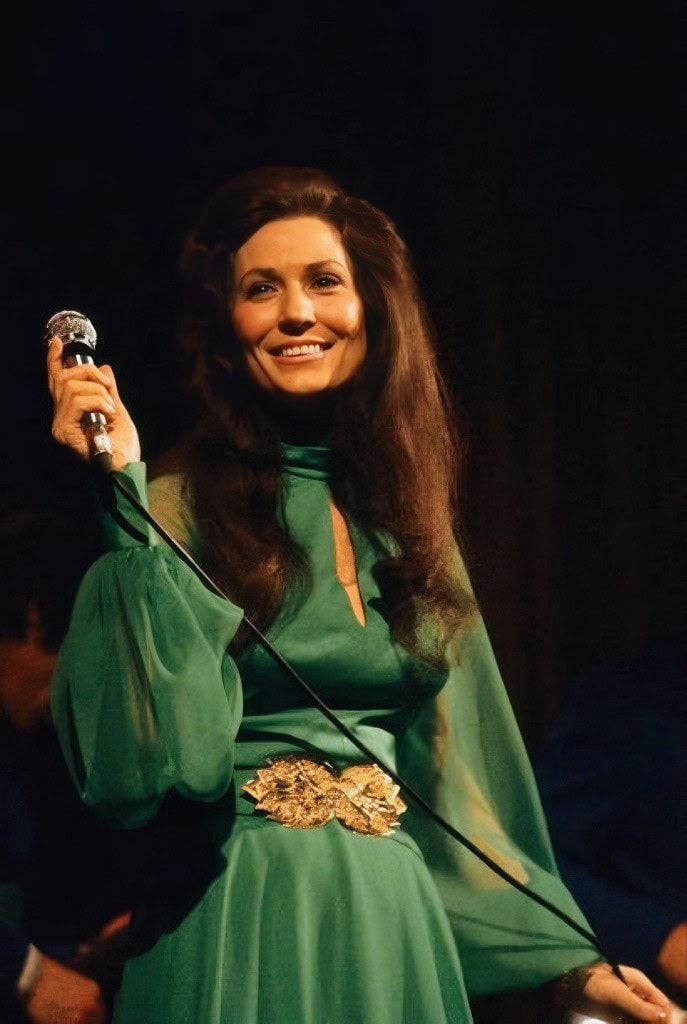
Coal Miner’s Daughter: A Resonant Anthem of Rural Life and Enduring Pride
An intimate look into the life of a country music legend.
In the hallowed halls of country music, few songs resonate with the raw, unvarnished truth of a life lived and a story told as profoundly as Loretta Lynn’s 1970 masterpiece, “Coal Miner’s Daughter.” This isn’t just a song; it’s a living, breathing piece of history, a three-minute autobiography that transcends the boundaries of genre to become a timeless American anthem. It’s a song that speaks to the very soul of the working class, a tribute to the struggles and triumphs of a forgotten generation. For those of us who grew up with the radio as our constant companion, this song was more than just a hit—it was a mirror reflecting a life we knew, a life of hardship, of love, and of an unyielding spirit. It’s the sound of a simpler time, a memory brought to life by the unmistakable voice of a woman who lived every word she sang.
Released in November 1970 as the first single from the album of the same name, “Coal Miner’s Daughter” wasted no time in making its mark on the charts. It became a monumental success, climbing all the way to the number-one spot on the U.S. Billboard Hot Country Singles chart in December 1970. This wasn’t just a win for Loretta Lynn; it was a win for authenticity, a testament to the power of a story told with sincerity and heart. The song’s success was not confined to the country charts alone. Its universal appeal resonated with a broader audience, leading to its crossover success on the Billboard Hot 100, where it peaked at number 83. This dual success underscored the song’s profound impact and the wide-reaching appeal of Loretta Lynn’s narrative.
The story behind the song is as compelling as the song itself. It’s a true account of Loretta Lynn’s childhood in Butcher Hollow, Kentucky, a small, isolated coal mining community. In a time when many artists were crafting narratives, Loretta was simply recounting her own life. The lyrics paint a vivid picture of her upbringing, from the humble beginnings in a small cabin to the sacrifices her parents made to provide for their eight children. Her father, a proud and hardworking coal miner, is at the heart of the song. The line, “My daddy worked all night in the mine, with an old carbide lamp and a lunch pail full of dimes,” is a poignant and powerful image that captures the essence of his dedication and the harsh reality of his work. It’s a tribute to a man who, despite facing immense hardship, provided for his family with dignity and pride.
“Coal Miner’s Daughter” is a poignant reflection on the themes of poverty, love, and the strength of the human spirit. The song’s meaning is deeply personal, yet universally relatable. It’s a powerful testament to the idea that true wealth isn’t measured in material possessions, but in the richness of one’s family and heritage. The song doesn’t romanticize poverty; instead, it presents it as a fact of life, faced with resilience and a deep sense of familial love. It’s a story of a young girl who, despite the lack of modern conveniences, never felt deprived because she was surrounded by the love and support of her family. The lyrics are a stark reminder of a different time, where people found joy in the simple things and faced adversity with an unbreakable spirit.
Beyond its chart performance and biographical nature, “Coal Miner’s Daughter” holds a special place in the cultural landscape. It became the title of the 1980 biographical film starring Sissy Spacek, who won an Academy Award for her portrayal of Loretta Lynn. The film’s success brought the song and its story to a new generation, solidifying its place as a cultural touchstone. The song’s legacy is undeniable. It’s been covered by countless artists and has inspired a myriad of works in music and film. For those of us who remember its original release, it’s more than just a song; it’s a melody that takes us back in time, to a place where a simple, honest story could capture the hearts of millions. It’s a testament to Loretta Lynn’s incredible talent and her unwavering commitment to telling her truth, a truth that continues to resonate with listeners, young and old, to this day.