
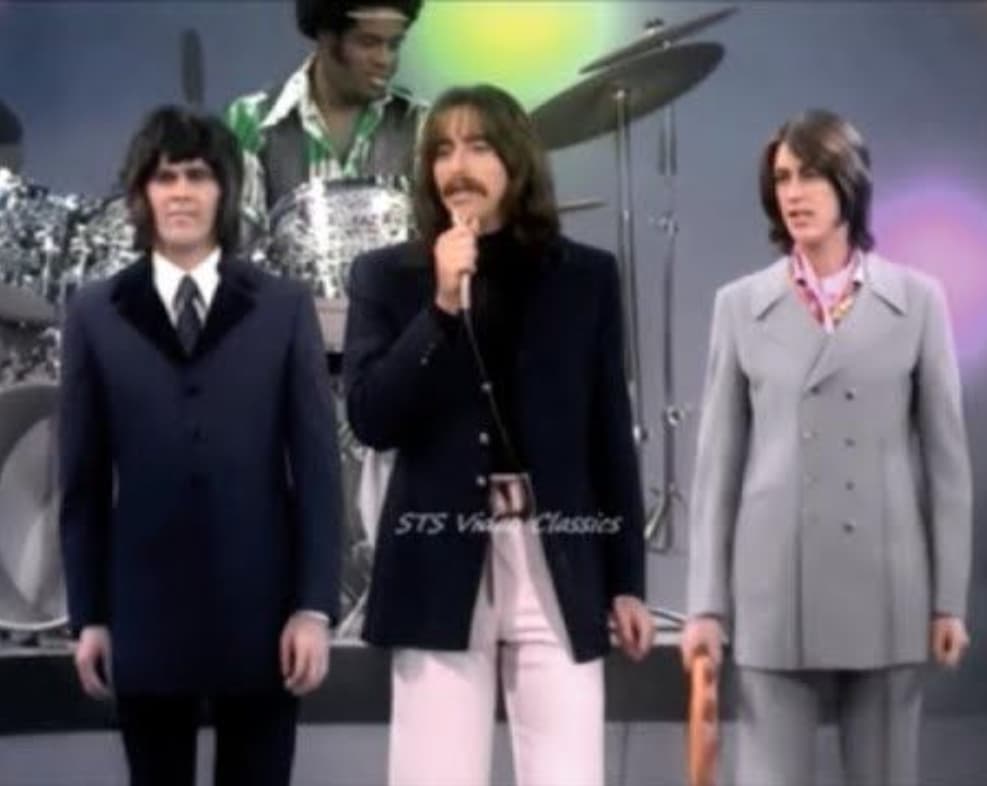
Easy To Be Hard: A Timeless Three Dog Night Classic That Still Resonates More Than Five Decades Later
More than fifty years after its release, “Easy To Be Hard” remains one of the most emotionally powerful recordings in the catalog of Three Dog Night. Released as a single on August 2, 1969, the song became an important part of the band’s rise during one of the most transformative periods in popular music.
Originally written by Galt MacDermot, James Rado, and Gerome Ragni for the groundbreaking musical Hair, “Easy To Be Hard” explores themes of compassion, empathy, and the contradictions that often exist between ideals and everyday human behavior. The song asks a simple yet profound question: how can people speak about love and understanding while failing to show kindness to those closest to them?
Three Dog Night’s interpretation brought those themes to a mainstream audience. Featuring an expressive lead vocal and a heartfelt arrangement, the recording captured the emotional depth of the original composition while giving it a distinctive identity within the band’s growing body of work. The song became a major hit and helped establish Three Dog Night as one of the most successful American bands of the era.
The legacy of the group continues to inspire admiration decades after its commercial peak. Their remarkable catalog of hits, combined with their ability to blend rock, pop, soul, and folk influences, secured a lasting place in music history. Songs such as “Easy To Be Hard” demonstrate the band’s talent for selecting material that connected deeply with listeners while maintaining artistic quality.
Today, Danny Hutton stands as the sole surviving founding member of Three Dog Night, a living link to a remarkable chapter in American rock music. His continued presence serves as a reminder of the band’s enduring contribution to the soundtrack of a generation.
Although many years have passed since “Easy To Be Hard” first reached the airwaves, its message remains as relevant as ever. The song’s call for genuine compassion and human understanding continues to transcend time, speaking to universal emotions that are as meaningful today as they were in 1969.
As appreciation for Three Dog Night’s music continues to endure, many regard the band’s achievements as worthy of greater recognition within the history of rock and roll. More than a hit record, “Easy To Be Hard” stands as a lasting testament to the emotional honesty and musical excellence that defined one of America’s most successful vocal groups.