
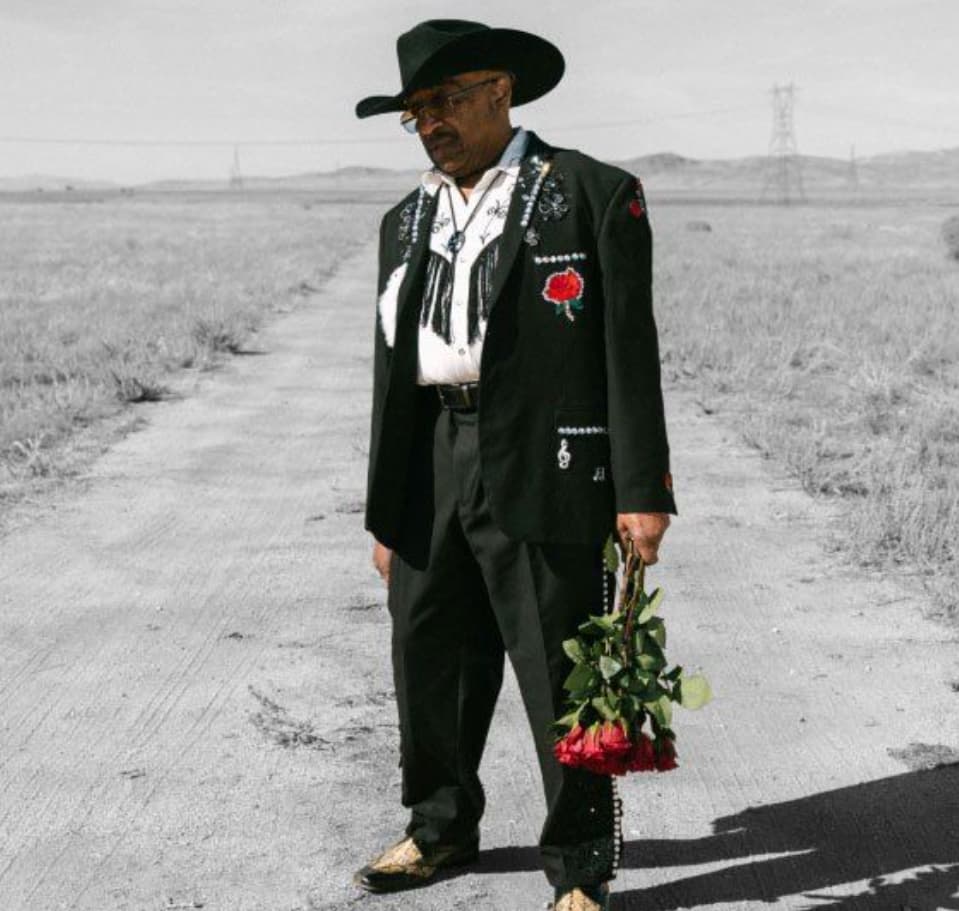
A wounded soul returns home: how war quietly destroys a man long after the guns fall silent
When Swamp Dogg chose to record “Sam Stone”, he was not chasing a hit or polishing a protest anthem for easy consumption. He was stepping into the emotional ruins of a song that already carried unbearable weight. Written by John Prine and first released in 1971 on the album John Prine, “Sam Stone” was never meant to climb charts or dominate radio. Neither Prine’s original nor Swamp Dogg’s version entered the Billboard Hot 100 upon release. Yet chart numbers feel almost obscene when discussing a song that speaks so plainly about addiction, trauma, and the invisible casualties of war. This was a song that spread quietly, hand to hand, heart to heart, especially among listeners who had lived long enough to recognize its truth.
“Sam Stone” tells the story of a decorated veteran who returns home from war with a Purple Heart—and a heroin addiction. The line “there’s a hole in Daddy’s arm where all the money goes” remains one of the most devastating couplets ever written in American songwriting. John Prine, who served in the U.S. Army in Germany during the late 1960s, did not write the song from a place of ideology, but observation. He had seen young men come back changed, emptied out, quietly broken. There is no sermon in the lyric, no raised fist. Just facts, delivered with the calm tone of someone too tired to shout anymore.
By the time Swamp Dogg recorded “Sam Stone” for his 1971 album Rat On!, the song had already gained a reputation as one of Prine’s most harrowing compositions. Swamp Dogg—born Jerry Williams Jr.—was known for his fearless, genre-defying approach to soul, funk, and social commentary. Where Prine sang with Midwestern restraint and folk clarity, Swamp Dogg brought a deeper, grittier ache to the song. His voice sounds older than its years, worn down, as if he personally knew Sam Stone, as if he had watched him fade away in real time.
Musically, Swamp Dogg’s version leans away from folk minimalism and into a slow-burning, Southern soul atmosphere. The arrangement does not soften the message; it thickens it. The groove feels heavy, almost funereal, as though the song itself is trudging forward under the weight of what it knows. Swamp Dogg does not embellish the lyric or attempt to outsing it. He inhabits it. His delivery suggests resignation rather than outrage—a man telling a story because it must be told, not because it will change anything.
The meaning of “Sam Stone” deepens with age. At first listen, it is a song about a single man destroyed by war. Over time, it reveals itself as a song about families, about spouses who wait, children who watch, and communities that quietly absorb the damage. The tragedy is not only Sam’s addiction, but the way it becomes normalized, folded into daily life until it is simply part of the household scenery. There is no redemption arc here. No sudden awakening. The song ends where life often does: unresolved.
What makes Swamp Dogg’s interpretation especially powerful is its refusal to romanticize pain. In an era when protest music often relied on slogans and collective chants, “Sam Stone” remained stubbornly personal. That may be why it never charted. Songs like this do not fit neatly between commercials. They linger too long after the needle lifts.
Today, “Sam Stone” stands as a rare meeting point between folk storytelling and soul confession. It links John Prine’s gift for plainspoken poetry with Swamp Dogg’s lifelong commitment to telling uncomfortable truths through music. The song does not belong to one genre or one generation. It belongs to anyone who has watched time take its quiet toll on people they once knew.
In the end, the power of “Sam Stone” lies not in its historical moment, but in its endurance. Long after wars fade from headlines and chart positions are forgotten, the song remains—a reminder that some wounds never close, and some stories, once heard, stay with us for the rest of our lives.