
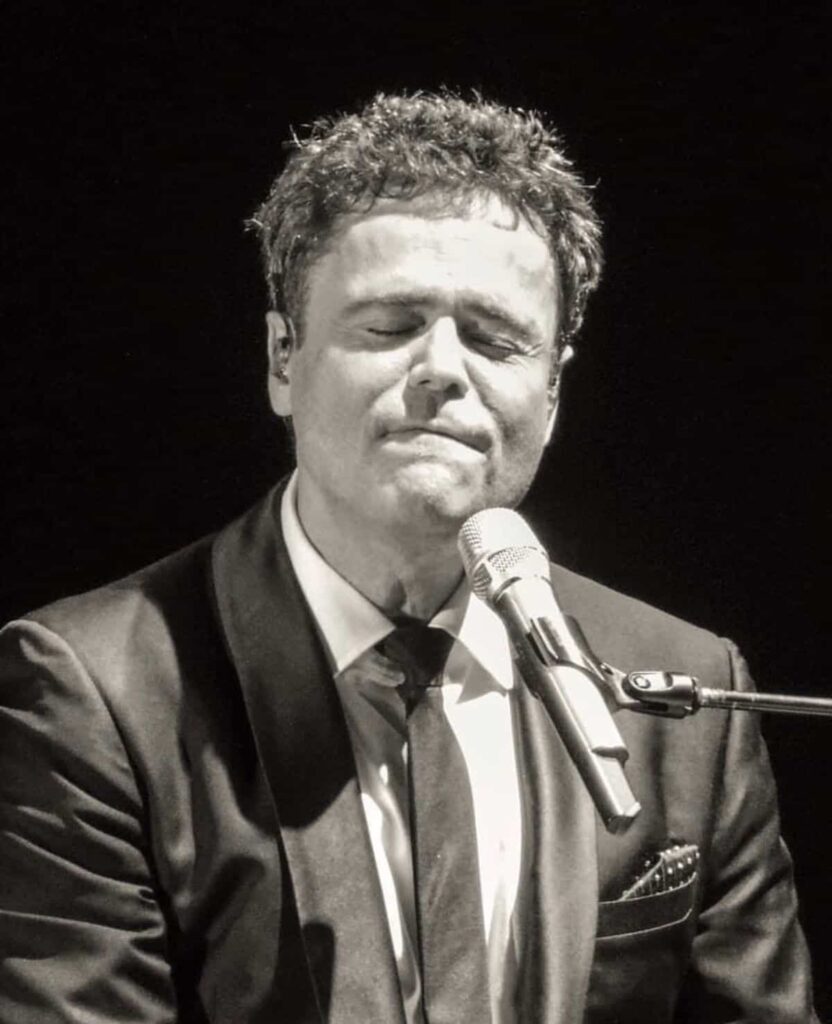
A Rock-Inflected Tale of Prophecy and Power: Song of the King (Seven Fat Cows)
When Pharaoh in Joseph and the Amazing Technicolor Dreamcoat recounts his strange dream of seven fat cows and seven skinny cows, he unleashes one of the most theatrical and soul-stirring moments in musical theatre — “Song of the King (Seven Fat Cows)” is that haunting confession set to rock-‘n’-roll flair.
There is no record of “Song of the King (Seven Fat Cows)” charting as a pop single in Billboard or other major mainstream charts during its original release; it is primarily known as part of the Joseph and the Amazing Technicolor Dreamcoat cast album — in this case, the 1992 Canadian cast recording in which Donny Osmond plays the role of Joseph, and Johnny Seaton takes on Pharaoh.
The song itself is written by Andrew Lloyd Webber (music) and Tim Rice (lyrics), as part of their beloved musical Joseph and the Amazing Technicolor Dreamcoat. In the narrative, Pharaoh describes a disturbing vision: first, seven well-fed cows rising from the Nile, followed by seven gaunt ones that devour the fat cows — a vivid, symbolic dream. Joseph is summoned to interpret, setting in motion a key turning point in the story.
The Story Behind the Song
The genesis of “Song of the King” lies deep in the biblical story of Joseph, from the Book of Genesis, but filtered through the imaginative lens of Lloyd Webber and Rice. Pharaoh’s dream is symbolic — the seven fat cows represent seven prosperous years, and the seven lean cows foretell seven years of famine ahead. Joseph’s interpretation convinces Pharaoh of his wisdom, earning him a position of immense power in Egypt.
In theatrical productions, Pharaoh’s dream sequence is often delivered with a playful nod to Elvis Presley–style rock ‘n’ roll. Indeed, Donny Osmond himself has noted this when performing the role of Pharaoh — adding a swaggering, rock-flavored edge to his delivery.
That stylistic choice is not accidental: the song is structured almost like an Elvis number, blending the theatrical urgency of a monologue with the rhythm and drive of early rock music. It gives Pharaoh both grandeur and vulnerability — he is a king, but also a man haunted by prophecy.
Significance and Meaning
For older listeners, especially those familiar with Donny Osmond’s long and winding career, “Song of the King” can evoke deeply nostalgic feelings. Here is a man who once epitomized teen-idol innocence, now performing a role steeped in wisdom, authority, and drama. His voice — matured, seasoned — conveys not only the anxiety of a ruler confronted with a troubling vision, but also his dependence on someone greater than himself for understanding.
On a symbolic level, the dream is about foresight and responsibility: a leader who must hear a warning, understand it, and act. Joseph’s interpretation is not merely an act of prophecy, but of service — he guides Pharaoh to prepare, to store, to survive. For listeners, it is a reminder that leadership is not just power, but stewardship.
And emotionally, the song is a turning point in the musical — it foreshadows Joseph’s rise from outsider to indispensable advisor. There is something deeply human in Pharaoh’s plea: “Help me, I beg you”, he seems to say. That humility, framed in rock’s energy, resonates across generations.
Donny Osmond’s Connection
Donny Osmond’s involvement with Joseph and the Amazing Technicolor Dreamcoat is more than just a casting choice. In 1992, he took on the starring role of Joseph in the Canadian production — a recurring role he played over thousands of performances. Over the years, he returned to Joseph in different capacities, including performing Pharaoh later in life.
Osmond’s ability to inhabit both the humble dreamer (Joseph) and the powerful, tormented ruler (Pharaoh) speaks to his versatility as a performer and his deep connection to the material. His Elvis-inspired performance of “Song of the King” pays tribute to his own musical roots and the legacy of early rock ‘n’ roll — a genre that shaped his youth, even as he charts new paths in theatrical storytelling.
Why It Matters Today
For a mature audience, “Song of the King (Seven Fat Cows)” is more than a theatrical number — it’s a memory, a feeling, and a lesson. It carries weight: of the past and of the future, of dreams and necessity, of human frailty and purpose. Listening to it can feel like revisiting a childhood icon (Donny Osmond), while also engaging with a universal story about power and foresight.
In a world that often seems unpredictable, Pharaoh’s dream — and Joseph’s interpretation — remind us that preparation, humility, and wisdom matter. The musical setting makes it accessible; the emotional weight makes it timeless.