
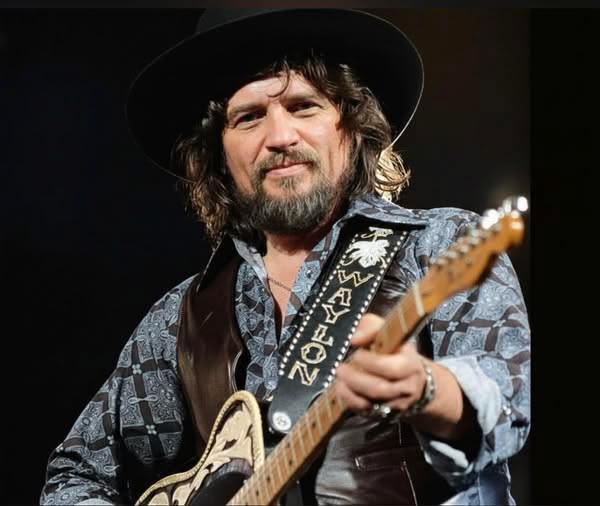
A Defiant Question That Redefined Country Music’s Soul and Spirit
When “Are You Sure Hank Done It This Way” was released in 1975, it did more than climb the charts — it shook the very foundation of Nashville’s polished country establishment. Performed by Waylon Jennings and included on the landmark album Dreaming My Dreams, the song soared to No. 1 on the Billboard Hot Country Singles chart that same year. But statistics alone cannot capture its impact. This was not merely a hit record; it was a declaration of independence, a pointed question aimed at an industry that had drifted far from its roots.
By 1975, Waylon Jennings was already a respected figure, yet he remained restless. Nashville had become increasingly controlled by producers, orchestrators, and executives who shaped artists into marketable images. The so-called “Nashville Sound” favored lush string sections and background choirs. Jennings, however, wanted grit. He wanted honesty. He wanted control over his own recordings. And with Dreaming My Dreams, he finally achieved that autonomy — producing the album himself and surrounding himself with musicians who understood his raw, rhythmic sensibility.
“Are You Sure Hank Done It This Way” opens with a driving bass line and a pulsing groove that feels closer to rock than traditional country. The question in the title refers, of course, to Hank Williams, the towering figure of classic country music whose songs were built on heartbreak, simplicity, and unvarnished truth. But Jennings’ question is rhetorical. He knew the answer. The flashy rhinestones, the expensive tours, the television glitz — none of it resembled the lonely highways and honky-tonks that shaped Williams’ world.
Lyrically, the song is both critique and confession. Jennings sings about “rhinestone suits and new shiny cars,” contrasting them with the stripped-down authenticity that once defined country music. There is no bitterness in his tone — only a weary clarity. He understood the price of fame. He had lived through personal struggles, battles with addiction, and the constant tug-of-war between artistic freedom and commercial pressure. In that sense, the song becomes deeply personal. It is Jennings holding up a mirror not only to Nashville, but to himself.
Musically, the track became one of the cornerstones of the Outlaw Country movement — a genre-defying shift that also included figures like Willie Nelson and later artists who embraced independence over conformity. While the song topped the country chart, its influence went far beyond rankings. It legitimized the idea that a country artist could reject the system and still triumph. It proved that authenticity could sell — that audiences were hungry for something real.
The success of Dreaming My Dreams was extraordinary. The album itself reached No. 1 on the Billboard Top Country Albums chart and remained there for 25 weeks. It eventually earned platinum certification. But numbers feel almost secondary when reflecting on the emotional resonance of this record. Listening to it today, one hears not rebellion for rebellion’s sake, but a longing to preserve something sacred — the spirit of storytelling that once defined country music’s golden age.
There is a certain poignancy in the way Jennings delivers the chorus. His voice carries weight — not polished perfection, but weathered conviction. It sounds like someone who has traveled long roads, slept in cheap motels, faced both applause and solitude. That quality gives the song its enduring power. It speaks to anyone who has ever wondered whether success has come at the cost of sincerity.
Decades later, “Are You Sure Hank Done It This Way” remains a touchstone. It is played not merely as a nostalgic classic, but as a reminder. Every generation of artists eventually faces the same question: Are we honoring the roots, or chasing the spotlight? Jennings asked it boldly in 1975 — and the echo of that question still lingers in studios and on stages today.
In the end, Waylon Jennings did not simply ask about Hank. He asked about integrity. And in doing so, he carved his own place in history — not as a follower of tradition, but as a guardian of its soul.