
A quiet affirmation that real love endures—not loudly, but faithfully, through time and change
Released in the spring of 1976, “Still the One” by Orleans arrived not as a dramatic declaration, but as a gentle, confident reassurance. In an era crowded with bombastic anthems and flashy arrangements, this song stood apart by doing something far rarer: it spoke softly, honestly, and with emotional maturity. Upon its release, “Still the One” climbed steadily to No. 5 on the Billboard Hot 100, and reached No. 1 on the Adult Contemporary chart, confirming that its appeal resonated deeply—especially with listeners who understood that lasting love is not about fireworks, but about choosing each other again and again.
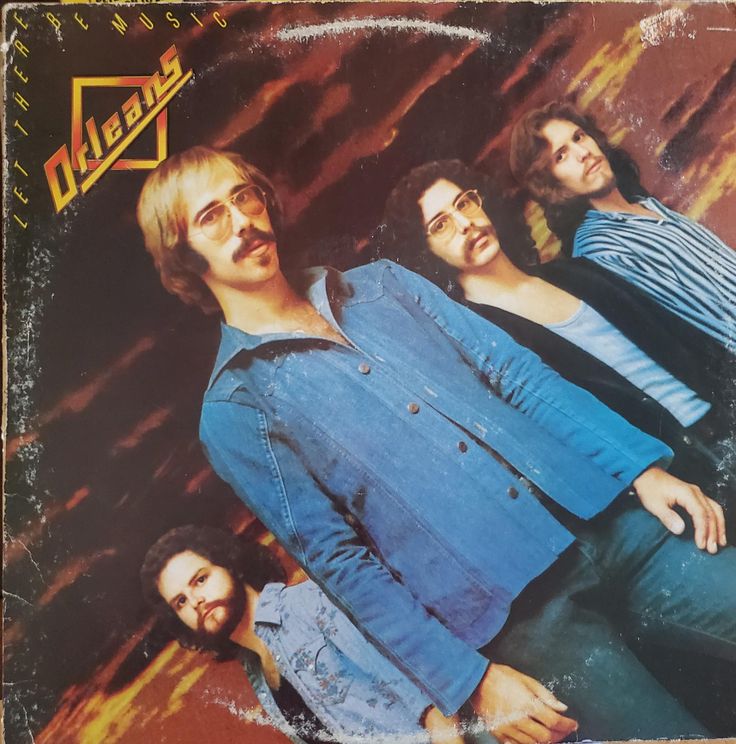
The song appears on Orleans’ 1976 album Waking and Dreaming, a record that marked the band’s commercial and artistic peak. Written by Johanna and John Hall, the track carries a personal authenticity that is impossible to fake. Rather than focusing on infatuation or heartbreak, “Still the One” reflects on continuity—on surviving doubts, distractions, and the quiet erosion of time. It is a song about staying, about recognition after the storms have passed.
What makes “Still the One” especially poignant is the story behind it. While many assumed it to be a straightforward love song between romantic partners, the Halls later revealed that it was written as a metaphor for the band itself. By the mid-1970s, Orleans had already experienced internal tensions, lineup changes, and the exhausting pressures of success. The song became a statement of loyalty—not just between lovers, but between collaborators who had weathered uncertainty and chosen to continue together. That dual meaning gives the song its quiet depth: it works both as an intimate love song and as a reflection on commitment in a broader sense.
Musically, “Still the One” is deceptively simple. Built around a light acoustic groove, smooth harmonies, and a relaxed mid-tempo rhythm, the arrangement never overreaches. The vocals—warm, unforced, and conversational—invite the listener in rather than impress from a distance. The chorus doesn’t explode; it settles. And in that restraint lies its power. This is music that trusts its audience to listen closely, to feel rather than be told what to feel.
Lyrically, the song avoids grand promises. Instead, it acknowledges reality: “We’ve been together since way back when” is not a boast, but a statement of fact. There is an unspoken understanding in the lines—that things have not always been easy, that time has tested what once felt effortless. Yet the conclusion is unwavering: after all that, you are still the one. It is a sentiment that gains meaning with age, as experience teaches that endurance itself can be an act of love.
Over the decades, “Still the One” has taken on a life far beyond the charts. It became a staple on classic radio, a familiar companion at weddings, anniversaries, and quiet moments of reflection. Its use as the theme song for ABC’s network promotions in the late 1970s further embedded it into cultural memory, making it synonymous with reliability, warmth, and trust.
Listening to Orleans today, one can’t help but notice how gracefully “Still the One” has aged. It does not feel tied to fashion or trend. Instead, it feels like a conversation remembered—one held late at night, when certainty is no longer loud but deeply rooted. Few songs manage to honor both romance and realism so effortlessly.
In the end, “Still the One” endures because it speaks to something universal yet rarely articulated: that the truest connections are not defined by how they begin, but by how they last. And in that quiet recognition, the song continues to find its way into hearts, year after year, just as steady and sincere as the promise it sings.