
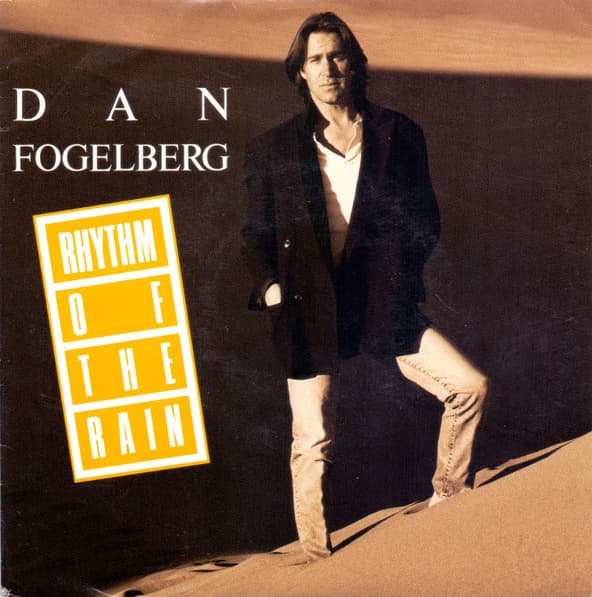
A Timeless Rainfall of Melody: Dan Fogelberg’s Enduring Interpretation of “Rhythm of the Rain”
Dan Fogelberg’s rendition of Rhythm of the Rain remains one of the most cherished performances in his catalog, showcasing the warmth, elegance, and emotional depth that defined his musical career. The official video accompanying the song serves as a reminder of Fogelberg’s remarkable ability to breathe new life into a classic composition while making it distinctly his own.
Originally written by John Claude Gummoe and made famous by The Cascades in 1962, Rhythm of the Rain has been covered by numerous artists over the decades. Yet Fogelberg’s version stands apart for its refined production, gentle atmosphere, and heartfelt vocal delivery. His voice, often praised for its clarity and sincerity, carries the song with a sense of reflection and quiet longing that resonates as strongly today as it did when it was recorded.
The recording also features contributions from two highly respected musicians, Jeff Porcaro on drums and Mike Porcaro on bass. Both brothers were celebrated members of the legendary rock band Toto and were widely admired for their musicianship. Their performances add subtle sophistication to the arrangement, helping create a sound that feels both polished and deeply emotional.
Looking back at the video today carries an added layer of significance. Dan Fogelberg, Jeff Porcaro, and Mike Porcaro have all since passed away, leaving behind a musical legacy that continues to inspire listeners around the world. Their collaboration on Rhythm of the Rain now stands as more than just a recording. It serves as a lasting document of three gifted artists whose talents helped shape modern popular music.
What makes the performance particularly enduring is its timeless quality. Rather than relying on trends or elaborate production techniques, the recording is built upon strong musicianship, tasteful arrangement, and genuine emotion. Fogelberg’s interpretation captures the wistful spirit of the original song while adding a maturity and tenderness that many admirers consider unmatched among later versions.
Nearly two decades after Fogelberg’s passing in 2007, his music continues to find new audiences while remaining deeply meaningful to longtime fans. Rhythm of the Rain exemplifies the qualities that made him such a beloved artist: an expressive voice, thoughtful artistry, and an ability to transform simple melodies into memorable emotional experiences.
As the gentle rhythm of the song continues to echo through the years, this performance remains a touching tribute not only to Dan Fogelberg’s artistry but also to the enduring contributions of Jeff and Mike Porcaro. Together, they created a recording that continues to stand as a beautiful and lasting piece of musical history.
 Great Songs