
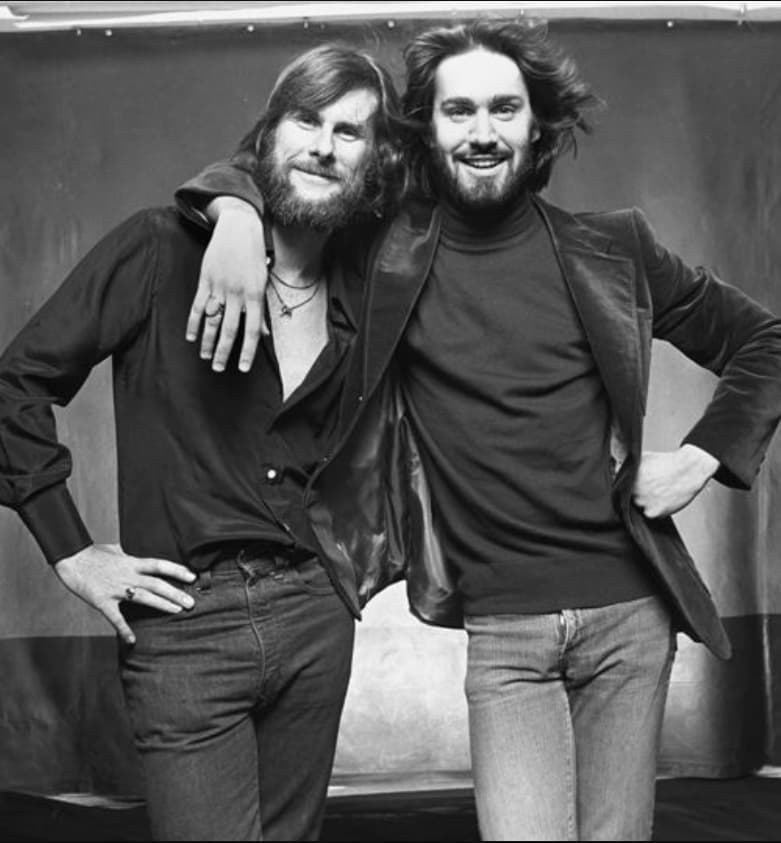
Twins Theme — when two voices meet without words, and friendship becomes music
From its very first notes, “Twins Theme” by Dan Fogelberg and Tim Weisberg feels less like a song and more like a conversation remembered. There are no lyrics, no declarations, no choruses meant for applause. And yet, few instrumental pieces from the late 1970s speak as eloquently about connection, trust, and shared spirit as this quietly luminous composition.
“Twins Theme” appears on the 1978 album Twin Sons of Different Mothers, a record born not from commercial ambition but from friendship. Released at a time when Fogelberg was already a major figure in American singer-songwriter music, the album marked a deliberate step sideways — away from the confessional lyrics that had made him famous, and toward something more reflective, more inward. The album itself reached the upper tier of the Billboard album chart upon release, confirming that listeners were willing to follow him into more contemplative territory. Yet it is “Twins Theme” that remains the emotional heart of the project.
The story behind the piece is essential to understanding its meaning. Dan Fogelberg and Tim Weisberg, a classically trained jazz flutist, shared a musical bond that went beyond style or genre. They were, in spirit, “twin sons of different mothers” — artists who approached music from different directions but arrived at the same emotional destination. “Twins Theme” was conceived as a musical portrait of that bond. Rather than tell the story in words, they allowed melody to speak for them.
Fogelberg’s guitar enters gently, open and familiar, like a trusted voice. Weisberg’s flute follows — airy, lyrical, and searching. The two instruments circle each other, sometimes leading, sometimes listening, never competing. This balance is the soul of the piece. It mirrors the kind of friendship that doesn’t need explanation, where silence can be as meaningful as sound. In an era increasingly driven by excess and spectacle, “Twins Theme” dared to be restrained, intimate, and sincere.
Though instrumental, the piece found a wide audience. It received significant FM radio airplay and became especially beloved among listeners who appreciated its calm, almost meditative quality. It did not rely on chart dominance to secure its place in musical memory; instead, it lived quietly on turntables, in late-night listening sessions, and in moments when people needed music that did not demand attention but offered comfort.
The emotional meaning of “Twins Theme” deepens with time. Listening today, one hears not only the elegance of the performance but also a reflection of an era when musicians trusted space, patience, and subtlety. The song feels like a pause — a breath taken between the rushes of life. It invites reflection, reminding the listener of friendships that shaped them, collaborators who understood without explanation, and moments when words were unnecessary.
For those who followed Dan Fogelberg through his career, this piece reveals another side of him — not the storyteller, but the listener; not the narrator, but the companion. For Tim Weisberg, it stands as one of his most accessible and emotionally resonant recordings, bridging jazz technique with folk-rock warmth.
In the end, “Twins Theme” endures because it captures something rare: the sound of mutual respect set to melody. It is music for those who have walked long roads, who understand that the deepest connections are often quiet ones. The kind that linger, long after the final note fades — like an old friend’s presence, still felt even when the room grows silent.