
The Song That Taught Generations That Being Different Can Save the Day
The holiday season, for those of us with a few decades under our belts, is often less about the frantic pace of modern shopping and more about a quiet, reflective journey back through time. It’s the scent of pine needles, the familiar taste of a grandmother’s recipe, and, perhaps most powerfully, the music that has soundtracked a lifetime of Decembers. Among the myriad voices that defined a gentler era of popular music, few resonate with such warmth and earnest simplicity as that of John Denver.
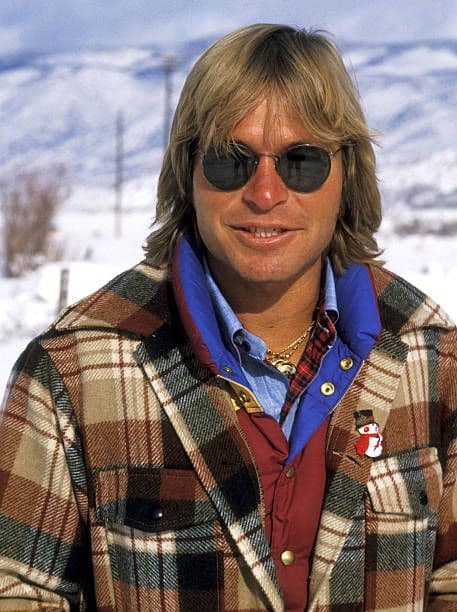
His rendition of “Rudolph the Red-Nosed Reindeer” is a beautiful case in point, an utterly charming and heartfelt take on a song that, in itself, is already deeply embedded in the American psyche. Denver recorded this track for his first Christmas album, the truly beloved Rocky Mountain Christmas, which was released in October 1975 on RCA Records. While this particular version wasn’t a standalone chart-topper in the way the original was, the album itself performed respectably, charting in Australia at No. 40, becoming an enduring perennial favorite in the US, and cementing Denver’s place as an essential voice of the holidays. His take brought a fresh, folk-infused air to the well-worn classic, perfectly encapsulating the singer’s signature sound.
The true genius and enduring power of “Rudolph the Red-Nosed Reindeer” lies not in its jingle-bell simplicity, but in the profound story of an underdog that it champions. The narrative of Rudolph was originally conceived not by a songwriter, but by a copywriter named Robert L. May in 1939, as a promotional booklet for the Chicago-based department store Montgomery Ward. May was reportedly a small, shy child who often felt excluded, and he created Rudolph’s tale during a difficult time, as his wife was battling cancer. He channeled his own feelings of being an outcast into the character, a young reindeer mocked and excluded by his peers because of his bright, shining red nose. In a society that often rewards conformity, the story hits a deeply personal chord for anyone who has ever felt like they didn’t quite belong.
The meaning of “Rudolph the Red-Nosed Reindeer” is a timeless one of discrimination, epiphany, and ultimate acceptance. For years, Rudolph endured the cruelty of his peers—”They never let poor Rudolph join in any reindeer games”—simply because he was different. This sentiment, sadly, is all too familiar to many of us who remember schoolyard slights or the pain of being overlooked. Then, fate intervenes on a “foggy Christmas Eve,” when Santa, facing a seemingly insurmountable challenge of poor visibility, realizes that the very trait Rudolph was persecuted for—his luminous red nose—is the key to saving the night. Rudolph’s difference is transformed from a burden into a blessing, a unique gift that secures his redemption and a place of honor at the front of the sleigh.
John Denver’s recording, with its gentle acoustic guitar and warm, unaffected vocal delivery, strips away any excessive holiday bombast, making the core message of the song shine even brighter. His voice, so often associated with the sweeping majesty of the mountains and the simple comforts of home, brings a sense of sincerity and vulnerability to Rudolph’s plight. It’s a reading that reminds the older listener of the fundamental lessons of childhood: the importance of kindness, the courage it takes to be oneself, and the realization that what makes us different is often what makes us strong.
Listening to Denver sing “Rudolph the Red-Nosed Reindeer” is more than just a musical indulgence; it’s a nostalgic echo of a time when the world seemed a little simpler, yet the emotions were just as complex. It calls us back to those cherished Christmas Eves, perhaps spent gathered around an old console stereo, and offers a quiet, powerful reflection on the truth that empathy and the embracing of our differences are the real spirit of the season.