
Silver Dream Machine: The Sound of a Reckless Youth and the Road Not Taken
A high-octane ode to the thrill of speed and the fleeting pursuit of glory.
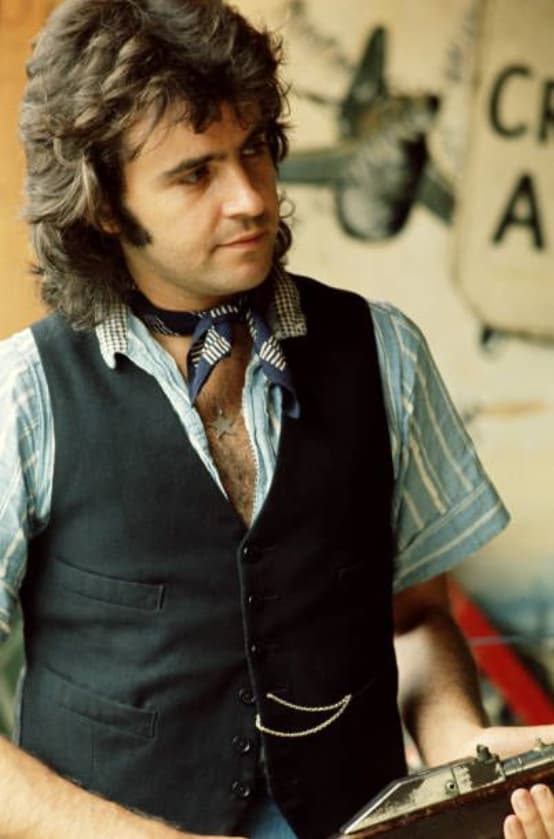
There’s a curious beauty to a song that is more famous than the film it was created for. Such is the case with David Essex‘s “Silver Dream Machine,” a track that burns with a furious, fleeting intensity, much like the silver screen spectacle it was meant to accompany. Released in March 1980, the single screamed up the charts, landing at a respectable number 4 on the UK Singles Chart and number 3 in Ireland. This was a testament not only to Essex’s enduring appeal as a pop idol and actor but also to the raw, pulsating energy of the song itself. It was the centerpiece of the soundtrack for the film Silver Dream Racer, a motor-racing drama that, despite its ambitious aspirations, never quite found its footing with audiences.
But the song… ah, the song was different. It didn’t matter that the film, starring Essex as an underdog motorcycle racer, was a box-office flop. The music transcended its cinematic origins. It became a standalone anthem for anyone who ever felt the visceral pull of the open road, the desire to push a machine to its limit, and the intoxicating, dangerous allure of a singular, all-consuming dream. The story behind the song is intertwined with the film’s narrative. David Essex, a keen motorcyclist himself, starred as Nick Freeman, a young man who inherits a revolutionary prototype motorcycle, the “Silver Dream Racer,” from his deceased brother. The film follows his journey to compete in the British Grand Prix at Silverstone, a desperate bid to prove the bike’s worth and honor his brother’s legacy. The song is a mirror to this narrative—a thumping, synth-driven reflection of Nick’s determination and the roaring spirit of the bike itself.
For those of us who came of age in that era, “Silver Dream Machine” isn’t just a song; it’s a time capsule. It conjures up memories of a world on the cusp of the 80s, a place where glam rock’s theatricality was giving way to a leaner, more electronic sound. The track is pure adrenaline, its heavy beat and repetitive, almost hypnotic lyrics building a sense of forward momentum. It captures the essence of that hopeful, slightly reckless time. You can close your eyes and almost feel the wind on your face, the roar of the engine in your ears, and the ache of a dream that might just be within reach.
The bittersweet irony, of course, is that the film’s famous, shocking ending—where the hero, having won the race, crashes and dies—adds a layer of pathos to the otherwise triumphant song. The film’s producers were so rattled by the audience’s negative reaction that they filmed an alternate, “happy” ending for the American release. But for those of us who saw the original, the song’s meaning is forever tinged with tragedy. It’s a reminder that some dreams, no matter how glorious, come at a cost. In a way, the song embodies the spirit of the doomed hero, burning brightly for a moment before fading into an explosive silence. It’s an aural monument to the thrill of the chase, even when the finish line leads to a final, definitive stop.