
“Lay Lady Lay”: A Tale of Gentle Persuasion and a Love That Has Found Its Resting Place
An Unconventional Masterpiece
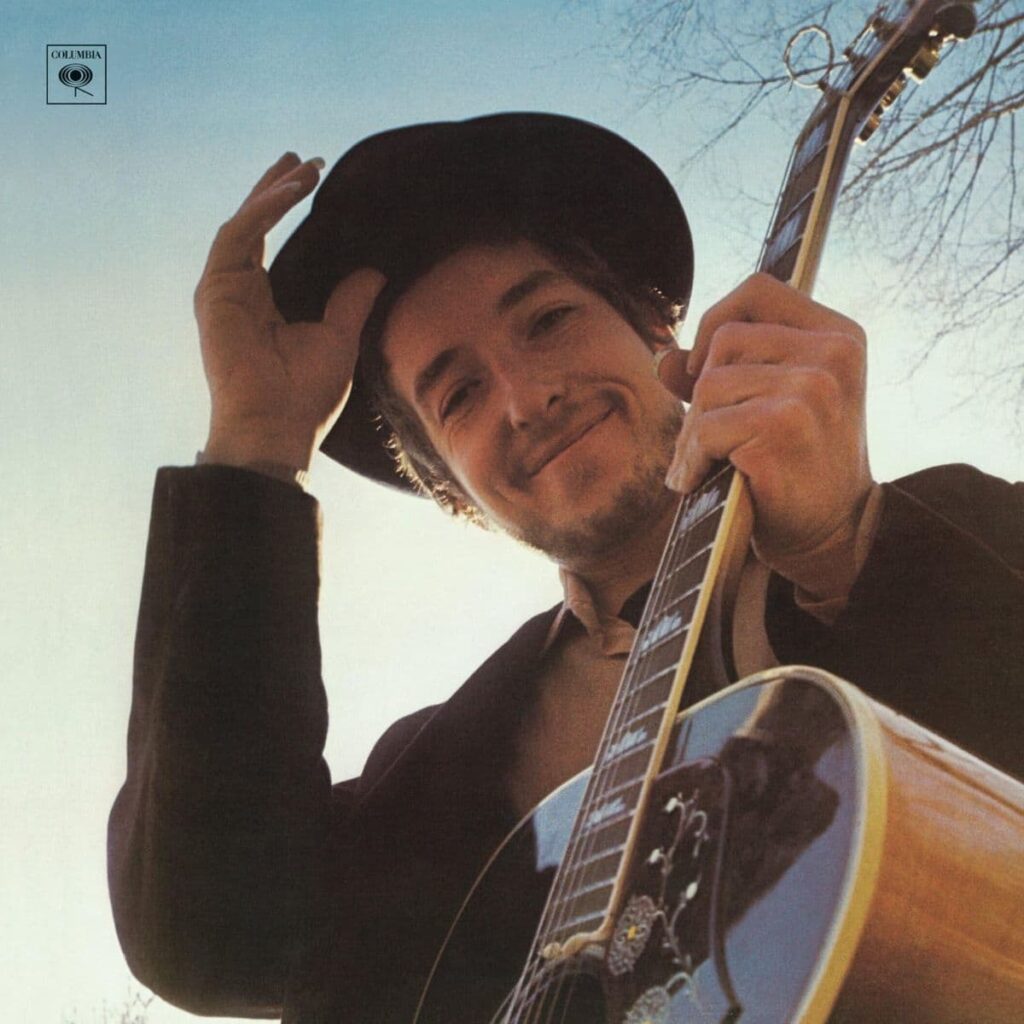
There are few songs that can immediately transport you back to a specific time and place with just the first few notes. For many, Bob Dylan’s “Lay Lady Lay” is one of them. Released in the summer of 1969, a period defined by counter-cultural revolution and a new, bolder kind of rock ‘n’ roll, the song stood out for its uncharacteristic softness and warmth. A far cry from the biting social commentary and abstract surrealism of his earlier work, this track from the album Nashville Skyline marked a radical shift in Dylan’s musical direction. Its gentle, country-tinged melody, steel guitar flourishes, and a surprisingly tender vocal performance baffled some critics and listeners at the time, but its universal appeal was undeniable. It quickly found a home on the charts, peaking at number 7 on the US Billboard Hot 100, becoming one of Dylan’s most commercially successful singles. This was not the protest singer of the 1960s; this was a new Bob Dylan, a man who had found a new, more settled voice.
The Story Behind the Song
The story behind “Lay Lady Lay” is as intriguing as the song itself. Originally written for the soundtrack of the film Midnight Cowboy, the song was ultimately not used, though its theme of quiet longing and vulnerable intimacy would have fit the film’s tone perfectly. Instead, it became the centerpiece of Nashville Skyline, an album that saw Dylan embracing a more straightforward, country-folk sound. The song’s creation is often linked to Dylan’s own life at the time. He had recently married his first wife, Sara Lownds, and had settled down on a farm in upstate New York. This newfound domesticity and peace seemed to infuse his music, replacing the turbulent energy of his earlier work with a sense of calm and contentment. The song is often interpreted as a heartfelt serenade to Sara, a simple and sincere plea for her to stay and rest in the comfort of their love. It’s a snapshot of a man who has found his harbor after a long, weary journey, and is finally able to simply lay down and find peace.
A Deeper Meaning
Beyond the personal context, “Lay Lady Lay” carries a deeper, more universal meaning. It’s a song about surrender, not in a weak or defeated sense, but in the beautiful, liberating way one surrenders to love, trust, and intimacy. The lyrics, though simple, are rich with imagery: “lay across my big brass bed,” “lay, lady, lay, lay across my big brass bed.” The repetition of the phrase is not monotonous; rather, it’s a gentle, persistent invitation, a promise of safety and rest. The song’s meaning can be seen as a reflection on the peace that comes when you finally find a place to belong, a person with whom you can be truly vulnerable. The gentle plea to “stay with your man awhile” is a quiet whisper of contentment, a stark contrast to the revolutionary anthems that had defined a generation. It’s a song about the beauty of quiet moments and the profound comfort found in a shared space, a soft reflection on the end of a long day and the beginning of a peaceful night. Dylan’s voice, now smooth and crooning, is a perfect instrument for this message, delivering each line with a tenderness that feels both personal and timeless. For those who grew up with Dylan as a voice of dissent and change, “Lay Lady Lay” was a revelation, a quiet reminder that even the most restless souls can find their peace.