
A Timeless Anthem of Peace and Protest
In the annals of folk music history, few songs have achieved the monumental status of “Blowin’ in the Wind”. It’s a tune that transcends generations, a poignant question mark hanging in the air, a timeless anthem of peace and protest. When we think of this song, we often conjure images of a young, impassioned Bob Dylan, guitar in hand, his voice a raw and unfiltered reflection of the tumultuous 1960s. Yet, its story is also intrinsically linked with another folk icon, the incomparable Joan Baez, whose ethereal soprano breathed a different kind of life into the song.
The year was 1963. America was a powder keg of social unrest. The Civil Rights Movement was gaining momentum, the Vietnam War was a simmering threat on the horizon, and a generation was questioning the very fabric of society. . It was in this fertile ground of dissent and hope that Bob Dylan, then a burgeoning star, released “Blowin’ in the Wind” on his second album, The Freewheelin’ Bob Dylan. The song became an instant classic, a clarion call for change that resonated with a generation tired of platitudes and empty promises. Its power was undeniable, and its message was clear: the answers to humanity’s most profound questions aren’t complex or hidden; they are simply “blowin’ in the wind,” ignored by those who refuse to listen.
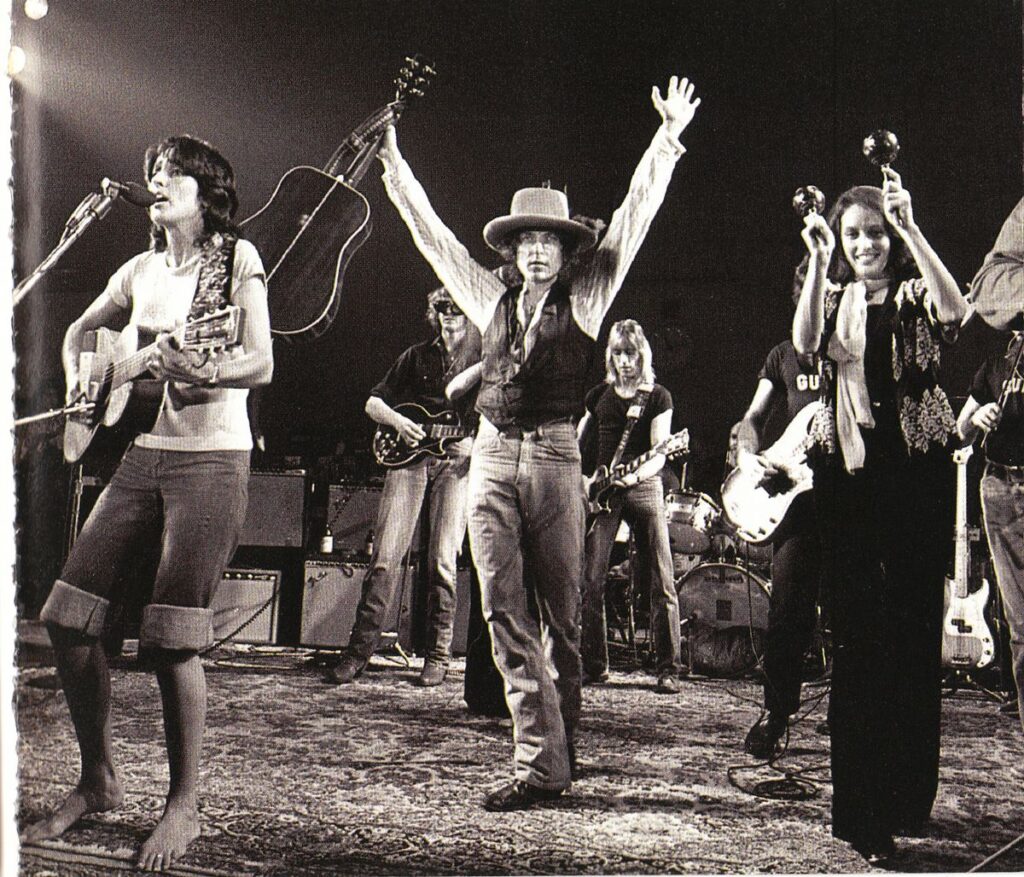
While Dylan penned the lyrics, it was arguably Joan Baez who, through her mesmerizing performances and recordings, helped cement the song’s place in the cultural zeitgeist. Their on-and-off-stage partnership was legendary, a confluence of two of the most significant voices of their time. Baez, already a revered figure in the folk scene, made the song a staple of her live shows. Her angelic voice, a stark contrast to Dylan’s gravelly delivery, gave the song a different texture, a more universally accessible plea for justice and compassion. It was a partnership that defined an era, a meeting of minds and music that fueled a movement. While the song did not originally chart as a single for Dylan, it was covered by the group Peter, Paul and Mary who released it as a single and saw it soar to #2 on the Billboard Hot 100 in 1963, proving its immense popularity and mainstream appeal. Baez, too, had a charting hit with the song, reaching #20 on the Billboard Hot 100 with her live version from the album From Every Stage in 1976. This is a testament to the song’s enduring power and ability to be reinterpreted by different artists and still resonate with audiences.
The song’s meaning is as profound today as it was over half a century ago. It’s a series of rhetorical questions that challenge our complacency. “How many roads must a man walk down before you call him a man?” “How many seas must a white dove sail before she sleeps in the sand?” These aren’t questions with simple, quantifiable answers. They are probes into the human condition, an invitation to introspection. The answers, as the song suggests, are not found in books or sermons, but are free-floating in the air, waiting to be recognized by those with the courage to see and hear.
Listening to “Blowin’ in the Wind” today is a nostalgic journey back to a time of idealism and protest, a time when music was more than just entertainment; it was a weapon for change. It evokes memories of a younger self, full of hope and a belief that a better world was possible. It’s a reminder that some questions never truly go away, and that the fight for peace and justice is a continuous, ongoing struggle. The song isn’t just a piece of music; it’s a historical artifact, a sonic time capsule that continues to inspire and challenge listeners, a gentle yet powerful reminder that the answers we seek are indeed, simply “Blowin’ in the Wind”.