
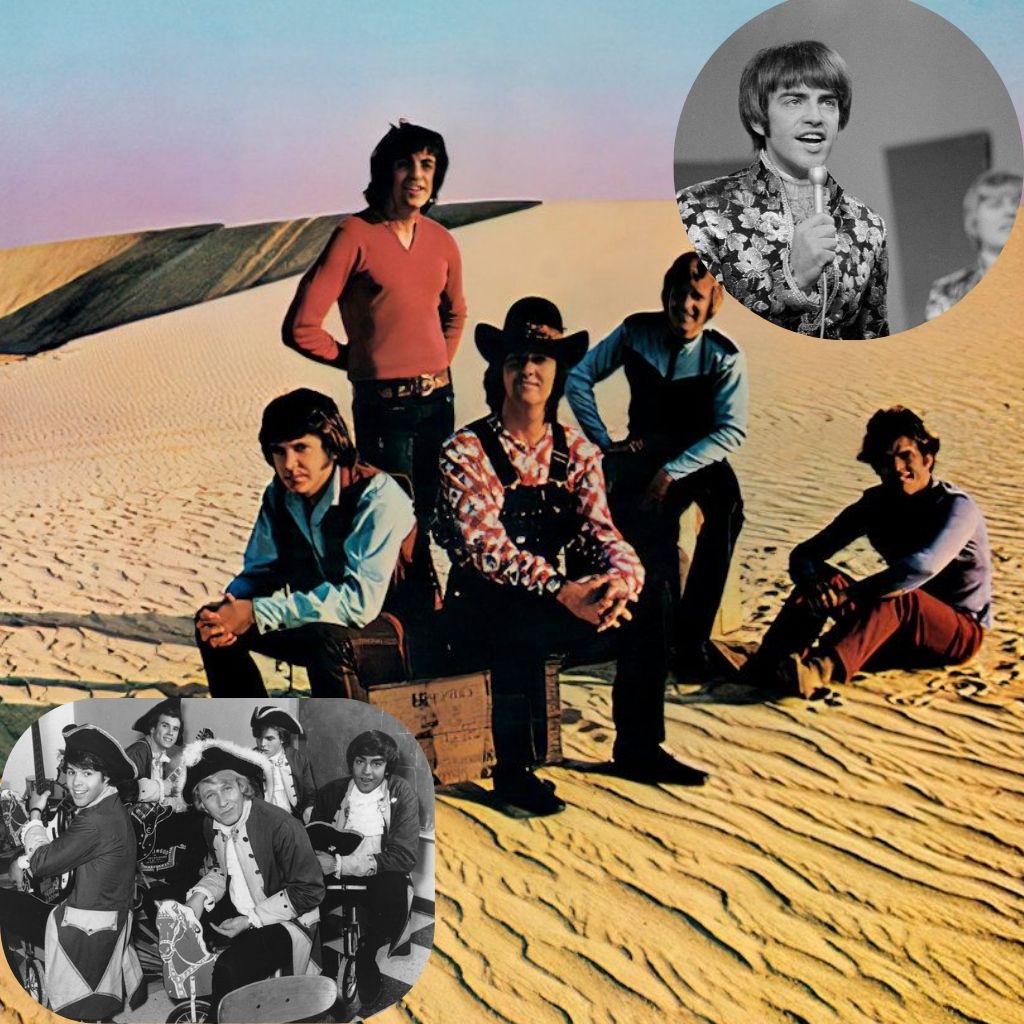
“Indian Reservation” and the Echo of a Painful American History
When Paul Revere & the Raiders released “Indian Reservation,” the song became far more than a hit record of the early 1970s. Beneath its memorable melody was a powerful reflection on the suffering, displacement, and historical injustice experienced by Native Americans throughout United States history.
Originally written by songwriter John D. Loudermilk, the song drew emotional strength from real historical trauma, particularly the forced removal of Native American tribes from their ancestral lands during the nineteenth century. Its lyrics evoke the painful legacy associated with the Trail of Tears, when thousands of Cherokee people were driven from their homes under brutal conditions. The sorrow carried within the song also connected deeply with the renewed Native American rights movements that gained visibility during the late 1960s and early 1970s.
At a time when popular music often focused on romance or escapism, “Indian Reservation” stood apart because of its serious social message. The recording carried an atmosphere of grief, dignity, and remembrance. Rather than sounding theatrical or exaggerated, the performance felt restrained and sincere, giving the lyrics greater emotional weight.
Much of that emotional power came from the voice of Mark Lindsay. His vocal performance combined strength with vulnerability, delivering the song with remarkable control and humanity. The sincerity in his voice gave the impression of someone carrying genuine emotional pain rather than simply performing another commercial single. His delivery transformed the track into something haunting and deeply reflective.
The success of “Indian Reservation” also helped demonstrate that Paul Revere & the Raiders were far more than an entertainment act built around colorful stage appearances and television exposure. The group proved capable of handling serious subject matter with professionalism and artistic maturity. Their musicianship supported the emotional intensity of the song without overwhelming it, allowing the lyrics and melody to remain at the center of the experience.
Decades later, “Indian Reservation” continues to endure because its themes remain historically meaningful. The song serves not only as a memorable piece of popular music history, but also as a reminder of a painful chapter in America’s past and the enduring struggle for dignity, identity, and justice among Indigenous communities.