
A Relentless Craving: The Untamed Spirit of “Hungry”
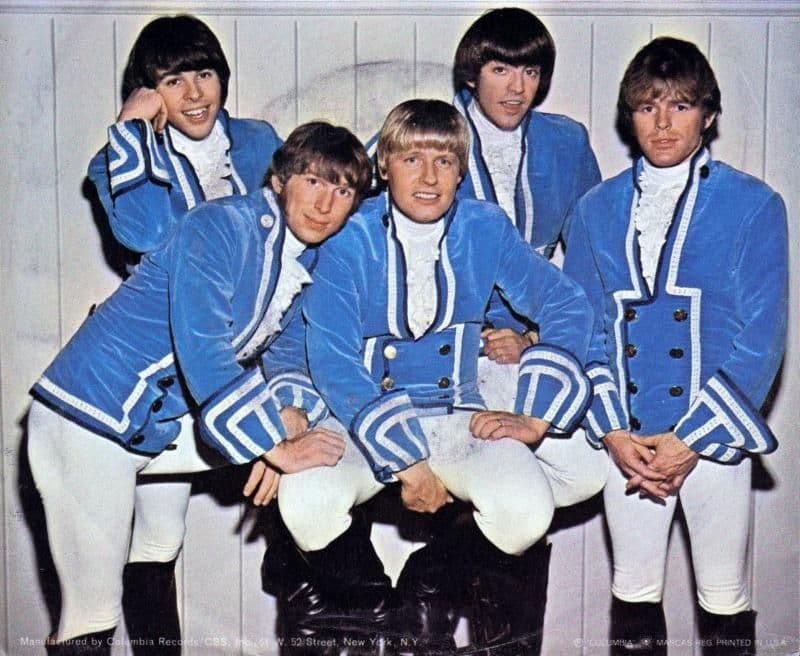
Oh, to be transported back to those heady days of the mid-sixties, when the air crackled with change and the radio waves hummed with a vibrant new sound. For many of us, the echoes of that era are inextricably linked with the raw energy and distinctive flair of Paul Revere & The Raiders, fronted by the charismatic Mark Lindsay. Among their impressive catalog, few songs capture the restless spirit of the time quite like their enduring hit, “Hungry.”
Released in 1966, “Hungry” quickly devoured its way up the charts, peaking at a respectable number 6 on the Billboard Hot 100. This was a testament not only to the band’s undeniable talent but also to the song’s immediate appeal, a visceral connection forged with a generation yearning for more, for something just beyond their grasp. It became a staple on AM radio, a ubiquitous soundtrack to drive-ins, sock hops, and nascent dreams, a testament to its pervasive impact on the popular culture of the era.
At its core, “Hungry” is a passionate, almost primal expression of insatiable desire. It’s a love song, certainly, but one infused with an almost desperate yearning. The lyrics, penned by Barry Mann and Cynthia Weil, are simple yet profoundly effective, painting a vivid picture of a love so intense it feels like a physical ache. “I’m hungry for you, baby / Hungry for your love,” Mark Lindsay declares with his signature growl, his voice a perfect blend of urgency and vulnerability. It’s a sentiment that resonated deeply, speaking to the universal human experience of longing for connection, for affection, for a love that satisfies a fundamental need.
But beyond the romantic interpretation, “Hungry” also tapped into a broader cultural hunger. The mid-sixties were a time of burgeoning counterculture, of youth questioning established norms, of a desire for authenticity and personal freedom. While perhaps not overtly political, the song’s restless energy and a yearning for fulfillment could be seen as a reflection of this larger societal shift. It spoke to a generation that was “hungry” for more than just the status quo, hungry for experiences, for understanding, for a future that felt truly their own.
The song’s distinctive sound is another reason for its enduring appeal. Paul Revere & The Raiders were known for their sharp, often theatrical stage presence and their tight, energetic musicality. “Hungry” is no exception. It bursts forth with a propulsive drumbeat and a driving bassline, punctuated by the signature Farfisa organ riffs that were a hallmark of their sound. Mark Lindsay’s vocal performance is nothing short of iconic – raw, impassioned, and utterly distinctive. There’s a certain unpolished charm to it, a directness that makes it feel incredibly authentic, as if he’s singing directly to you, sharing his deepest desires.
For those of us who came of age during that vibrant decade, “Hungry” isn’t just a song; it’s a time capsule. It evokes memories of youthful exuberance, of first crushes, of cruising down Main Street with the radio blasting, of a world that felt both exhilarating and a little bit uncertain. It’s the sound of a band that truly understood its audience, that captured the zeitgeist with an effortless cool. The “Action!” of Paul Revere & The Raiders was more than just a catchphrase; it was a promise, and with “Hungry,” they certainly delivered. Even today, all these years later, the song still retains its potent ability to stir something deep within us, a reminder of a time when the heart truly ached for something more, and the music played on.