
When Puppy Love Became a Pop Culture Phenomenon
Ah, the early 1970s. A time of shifting sands, yet for many, an era of innocent exuberance. And few songs capture that particular strain of youthful longing and burgeoning romance quite like “I Think I Love You” by The Partridge Family. This saccharine, yet undeniably catchy, tune wasn’t just a song; it was a cultural touchstone, a pure distillation of the burgeoning teen idol phenomenon. Released in August of 1970, it rapidly ascended the charts, reaching the coveted number one spot on the Billboard Hot 100 on November 21, 1970, where it held court for three weeks. This wasn’t merely a hit; it was a juggernaut, a true smash that etched itself into the collective consciousness of a generation.
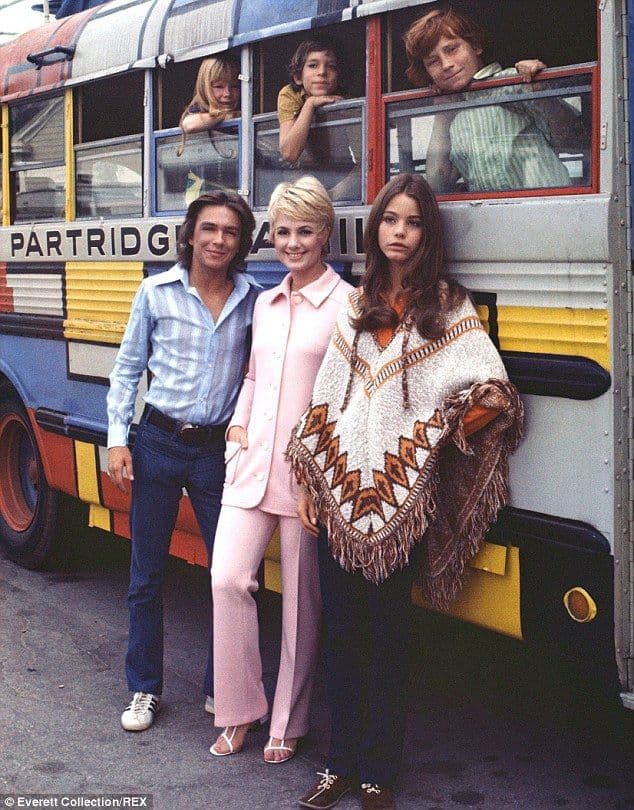
The story behind “I Think I Love You” is as intertwined with television as it is with music. It was, of course, the breakout single from The Partridge Family, the ABC sitcom that premiered just a month after the song’s release, on September 25, 1970. The show, which starred the luminous Shirley Jones as the matriarch and the undeniably charming David Cassidy as her eldest son and lead singer, Keith Partridge, presented a wholesome, musically inclined family navigating the trials and tribulations of fame. The song itself was penned by the prolific songwriter Tony Romeo, who had a knack for crafting memorable, accessible pop tunes. Romeo reportedly wrote the song with the specific intention of it being performed by a young male vocalist, capturing that breathless, slightly awkward, yet utterly sincere feeling of first love. And in David Cassidy, they found the perfect vessel. His boyish good looks, combined with a voice that was both sweet and earnest, made him an instant heartthrob, catapulting him to superstardom overnight.
The meaning of “I Think I Love You” is refreshingly straightforward, almost disarmingly so. It’s a pure, unadulterated declaration of nascent love, the kind that blossoms in the tender years of adolescence. The lyrics are simple, yet profoundly relatable: “I think I love you, so what am I so afraid of? I’m afraid that I’m not sure of a love there is no cure for.” It perfectly articulates that exhilarating, yet terrifying, moment when infatuation deepens into something more profound, and the realization hits that this feeling might just be the real deal. There’s a vulnerability in its honesty, a shy admission that resonates with anyone who has ever experienced the butterflies of a first crush. It wasn’t about grand gestures or complex emotions; it was about the pure, unadulterated thrill of recognizing a deep connection, even if the words to fully articulate it hadn’t quite formed yet.
For those of us who came of age during that era, “I Think I Love You” isn’t just a song; it’s a time capsule. It conjures images of bell-bottoms and tie-dye, of innocence tinged with a blossoming awareness of the wider world. It takes us back to slumber parties where we’d dissect every lyric, wondering if the boy across the classroom felt the same way. It evokes Saturday mornings spent glued to the television, watching the adventures of the Partridge family unfold, and imagining ourselves right there with them, perhaps even joining their musical escapades. The song’s infectious melody and simple, heartfelt message made it an anthem for a generation on the cusp of discovering love and independence. It reminds us of a time when pop music could be uncomplicated and joyful, a pure escape from the growing complexities of the world around us. It was a song that you could sing along to without an ounce of irony, a testament to the power of a perfectly crafted pop hook and the undeniable charisma of a rising star. And even now, all these years later, its opening chords can still transport us back to a simpler time, a time when “I Think I Love You” was more than just a song – it was a feeling.