
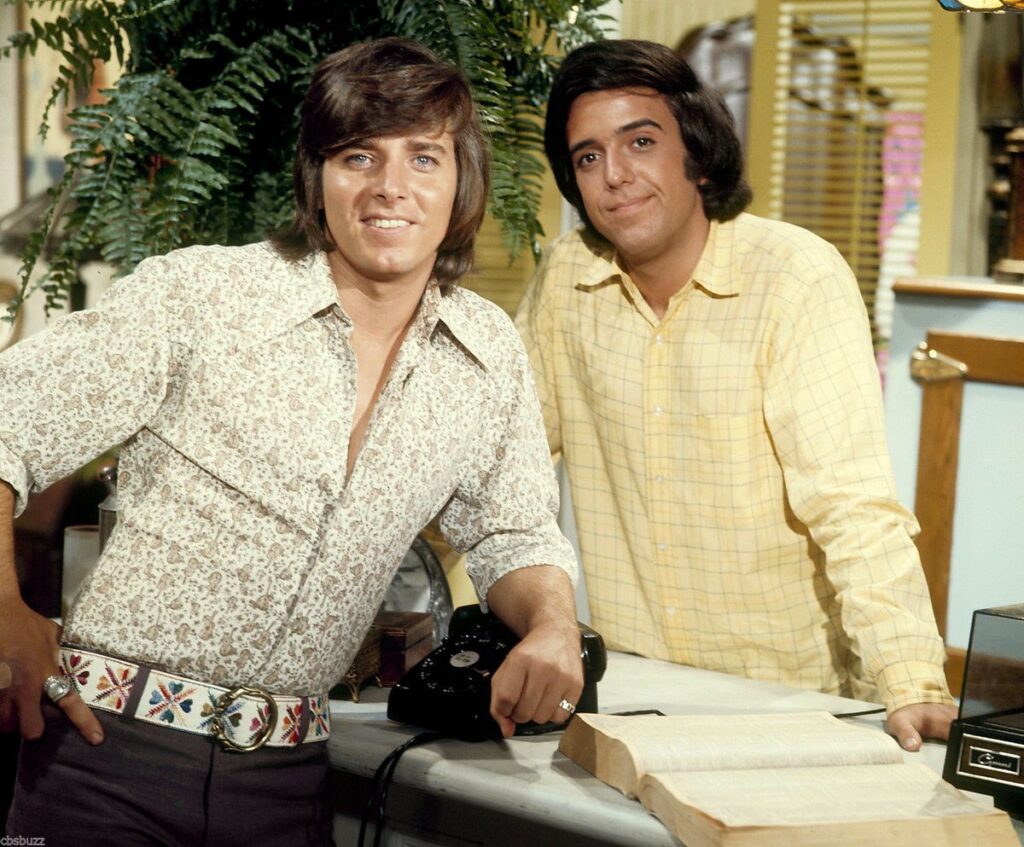
Bobby Sherman and the Gentle Spirit Behind “Julie, Do Ya Love Me”
In the early 1970s, few teen idols captured the warmth and innocence of pop music quite like Bobby Sherman. Among his most beloved recordings, “Julie, Do Ya Love Me” remains one of the defining songs of his career and an enduring symbol of a softer era in popular music.
Released during the height of Sherman’s fame, the song climbed into the Top Five in 1970 and became one of the standout hits that helped establish him as one of America’s most recognizable young stars. With its bright melody and heartfelt vocal performance, the track reflected the clean and emotional style that made Sherman so popular with younger audiences and families alike.
What separated Bobby Sherman from many entertainers of his time was not only his success on stage, but also the character he displayed away from music. In interviews, Sherman openly acknowledged that many of his fans were children and teenagers. Because of that, he believed strongly in maintaining a respectful image that parents could trust. He avoided behavior or statements that could make families uncomfortable, choosing instead to present himself with sincerity and kindness. That sense of responsibility became a defining part of his public identity.
Long after the peak of his recording career, Sherman devoted much of his life to public service. He trained and worked as an emergency medical technician and later became involved with law enforcement support work. He also volunteered his time teaching CPR and first aid, including work connected with the Los Angeles Police Department. Those efforts earned him admiration far beyond the music industry and reinforced the image many people had of him as a genuinely compassionate individual.
Today, “Julie, Do Ya Love Me” is remembered not only as a successful pop single, but also as a reminder of an artist whose reputation was built on decency, humility, and care for others. As tributes continue to honor Bobby Sherman’s life and career, the song stands as a lasting piece of 1970s pop history and a reflection of the gentle spirit that defined the man behind the music.