
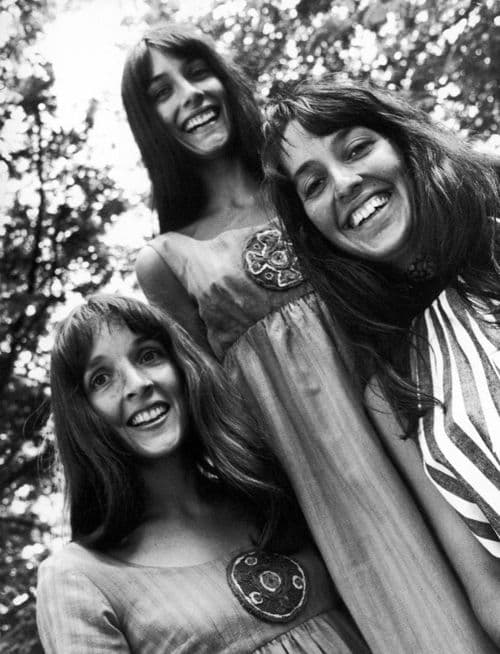
Forever Young by Joan Baez Continues to Inspire Across Generations With a Timeless Message of Hope
Joan Baez’s heartfelt rendition of Forever Young remains one of the most moving interpretations of one of Bob Dylan’s most beloved songs. Accompanied by a simple picture slideshow, the performance continues to resonate with listeners through its sincerity, gentle beauty, and enduring message of love, hope, and encouragement.
Forever Young was written by Bob Dylan in 1973 and first appeared on his album Planet Waves in 1974. Dylan has said that he wrote the song for his eldest son, Jesse, who had recently been born. Rather than being a conventional lullaby, the song became a heartfelt blessing from a parent to a child, expressing wishes for strength, kindness, courage, and a meaningful life. Over the decades, it has grown far beyond its original inspiration and has become one of Dylan’s most cherished compositions.
Joan Baez brings a unique emotional depth to the song. Long recognized as one of the defining voices of the folk music movement, Baez shared both a personal and professional connection with Dylan during the early 1960s. She played an important role in introducing him to wider audiences, including his early appearances at the Newport Folk Festival, and frequently performed his songs throughout her career. Her interpretation of Forever Young reflects not only her remarkable vocal ability but also her lifelong appreciation for Dylan’s songwriting.
Many people describe Baez’s voice as possessing an almost timeless purity, often comparing it to the song of a nightingale. Her gentle delivery allows every lyric to shine with warmth and compassion. The performance evokes feelings of tenderness and gratitude while reminding many of the powerful bond between parents, grandparents, and children. For some, it recalls the joy of holding a newborn child. For others, it becomes a quiet prayer for a beloved grandchild growing up in an uncertain world.
The song’s message also reaches beyond individual families. Its words have inspired hopes for every child, especially those facing hardship, conflict, or difficult circumstances. The universal wish that every young person may grow with love, safety, dignity, and opportunity gives the song a lasting emotional power that continues to speak to new generations.
More than fifty years after it was written, Forever Young remains a timeless expression of unconditional love. Through Joan Baez’s graceful interpretation, Bob Dylan’s heartfelt message continues to offer comfort, hope, and gentle reassurance, proving that the greatest songs are those whose meaning only deepens with the passing of time.