
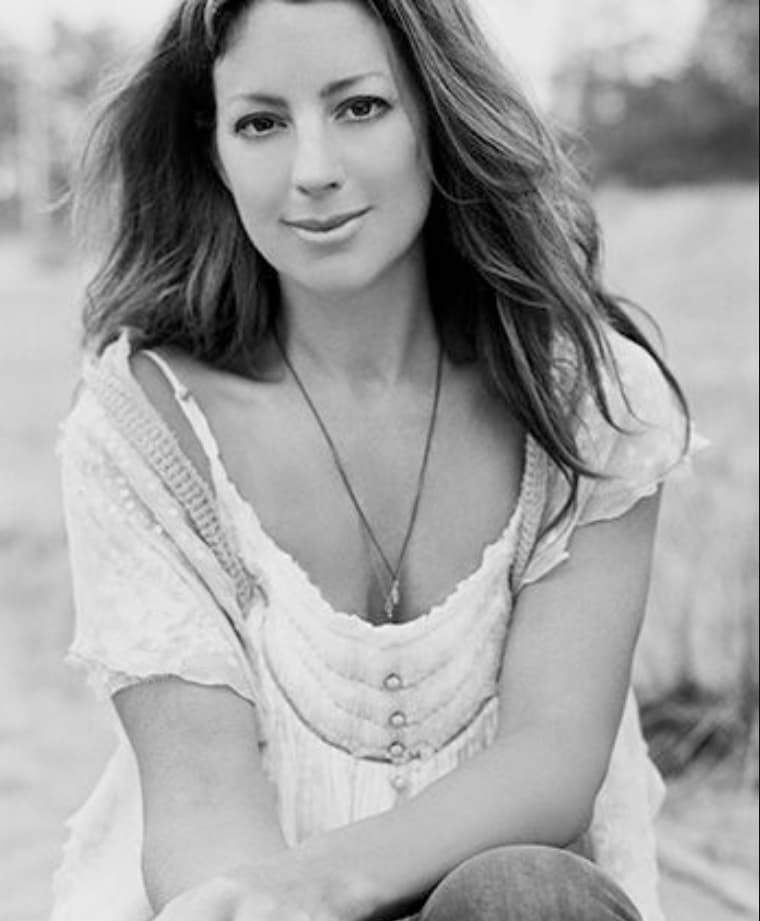
A Quiet Farewell to Love and Memory, Told Through One Last Embrace
Released at the turn of the millennium, “When She Loved Me” stands as one of the most emotionally devastating ballads ever written for a film—quiet, restrained, and all the more powerful for it. Performed with aching tenderness by Sarah McLachlan, the song appears on the Toy Story 2: Original Motion Picture Soundtrack (1999), yet it transcends its animated setting to speak directly to adult listeners who understand the fragile, temporary nature of love, attention, and belonging.
From the very beginning, the song carried a weight unusual for a mainstream family film. Written by Randy Newman, the longtime musical architect of the Toy Story universe, “When She Loved Me” accompanies one of the film’s most unforgettable sequences: the silent montage recounting the life of the cowgirl Jessie, from cherished childhood companion to forgotten relic. It is a sequence that unfolds without dialogue, trusting the song to do all the emotional work—and it does so with devastating precision.
In terms of commercial performance, “When She Loved Me” was never designed to be a chart-dominating hit. It did not enter the Billboard Hot 100, reflecting its understated nature and cinematic purpose rather than radio-friendly ambition. However, it did receive modest airplay on the Billboard Adult Contemporary chart, peaking around No. 32, where its reflective tone found a receptive, mature audience. More importantly, the song earned an Academy Award nomination for Best Original Song, cementing its critical recognition even without mass-market chart success.
What elevates Sarah McLachlan’s performance is her refusal to dramatize the pain. Known for her ethereal voice and emotional restraint, she sings as if recalling something already lost, not something still burning. There is no anger here, no bitterness—only acceptance tinged with sorrow. Lines like “But years went by and I was still waiting / Because I knew she’d come back someday” feel less like lyrics and more like the private thoughts we rarely say aloud. McLachlan’s voice hovers delicately above Newman’s sparse piano arrangement, leaving room for memory to breathe.
The deeper meaning of “When She Loved Me” lies in its universality. While framed through the eyes of a toy, the song speaks to anyone who has ever outlived their usefulness in someone else’s life—lovers replaced, friendships faded, promises quietly forgotten. Love, the song suggests, is real not because it lasts forever, but because it once existed fully. That idea resonates deeply with listeners who have lived long enough to understand that not all endings come with explanations.
Randy Newman’s songwriting deserves special attention. Known for his wit and satire, Newman here strips himself bare, writing with childlike directness and emotional honesty. The melody is simple, almost circular, mirroring the way memory revisits the same moments again and again. There is no grand chorus, no triumphant resolution—only a gentle acknowledgment that love, once given, leaves an imprint even after it disappears.
Over time, “When She Loved Me” has grown in stature. It is frequently cited as one of the most heartbreaking songs ever written for film, animated or otherwise. Its power does not fade with familiarity; if anything, it deepens as listeners bring their own histories to it. What once sounded like sadness may later feel like recognition.
In the end, “When She Loved Me” is not about toys, or childhood, or even abandonment alone. It is about memory—how it preserves love in its purest form, long after circumstances have changed. In Sarah McLachlan’s hushed delivery, the song becomes a quiet companion for reflection, reminding us that being loved, even briefly, is something that never truly leaves us.