
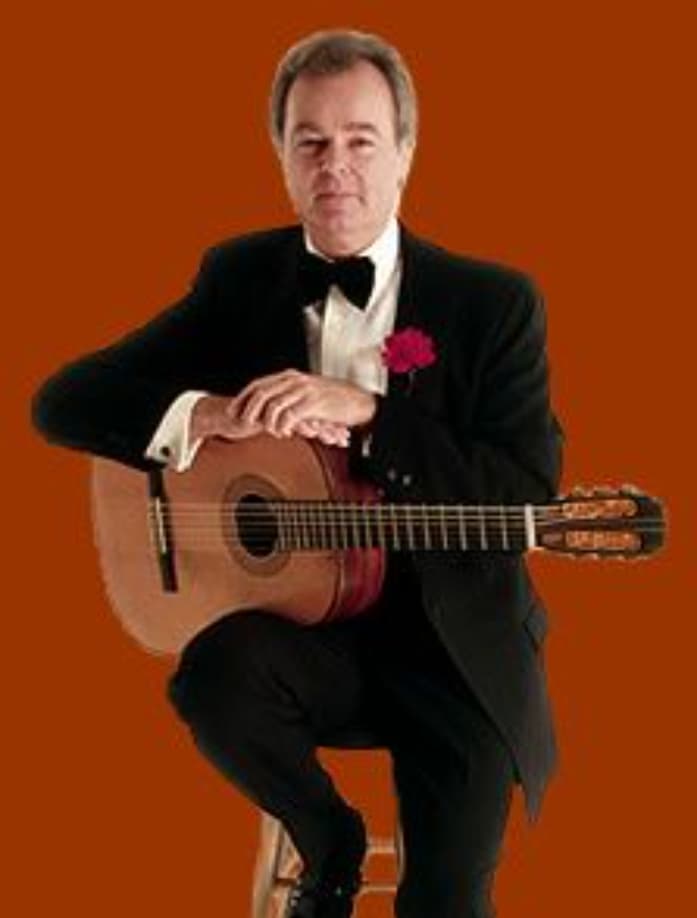
Classical Gas — a spark of brilliance that turned one man’s quiet guitar into a timeless roar of wonder
Few instrumentals have carved their way into music history with the effortless force of “Classical Gas”, composed and performed by Mason Williams. From its very first notes, the piece feels like a sudden burst of light — a fluent, confident guitar speaking in rapid phrases, weaving classical finesse with the energy of a pop anthem. Released in 1968, the track quickly became a phenomenon. It climbed to No. 2 on the Billboard Hot 100, reached No. 1 on the Billboard Easy Listening chart, and earned three Grammy Awards: Best Instrumental Composition, Best Contemporary Pop Performance (Instrumental), and Best Instrumental Arrangement.
Those facts alone secure “Classical Gas” a place in the great musical canon — but numbers only tell part of the story.
Behind the acclaim lies the quiet journey of Mason Williams himself, a man known not only as a musician but also as a writer and creative force behind The Smothers Brothers Comedy Hour. While working on the show, Williams composed the piece almost as an aside, as though it were simply something that needed to exist. Originally titled “Classical Gasoline,” the name was shortened by a copyist, but the energy — the feeling of fuel burning hot — remained intact in every cascading run of the guitar.
What made “Classical Gas” so startling at the time is the very thing that makes it unforgettable today: its refusal to sit still. The music dances between worlds — part classical guitar étude, part pop single, part cinematic overture. In an era filled with lyrics that defined a generation, Williams managed to speak just as loudly without saying a single word.
For many listeners, especially those who first heard it in the late 60s or early 70s, the piece triggers a flood of memory. It evokes long summer afternoons, car radios humming, television variety shows filled with laughter and surprise — and that unmistakable guitar line cutting through everything like sunlight through a window. There is a sense of movement, of youth, of a world that felt newly electrified. Time has softened those years, but whenever “Classical Gas” begins to play, the pulse of that era comes rushing back.
The song’s emotional power comes not from sentimentality but from its sheer vitality. There is joy in those opening measures — real, unrestrained joy — followed by passages that feel reflective, almost contemplative, before the music lifts off again with renewed force. It’s as though Williams captured the rhythm of life itself: bursts of energy, pauses of thought, and sudden, thrilling surges forward.
Over the decades, “Classical Gas” has been performed, re-arranged, and rediscovered countless times. Yet the original recording remains unmatched. The Spanish-style guitar, the elegant orchestral arrangement, the sense of precision and spontaneity living side by side — all of it forms a piece that feels both meticulously crafted and fiercely alive.
For older listeners, the song carries an added tenderness: it recalls a time when instrumental hits could dominate the airwaves, when creativity seemed to spill freely across genres, and when a single musician with a guitar could set the world spinning. Mason Williams did not just write an instrumental hit; he gave us a piece of memory, a spark that continues glowing long after the moment has passed.
Classical Gas endures because it reminds us of something precious: sometimes the most powerful stories are the ones told without words — spoken instead through strings, rhythm, and the unguarded brilliance of inspiration.