
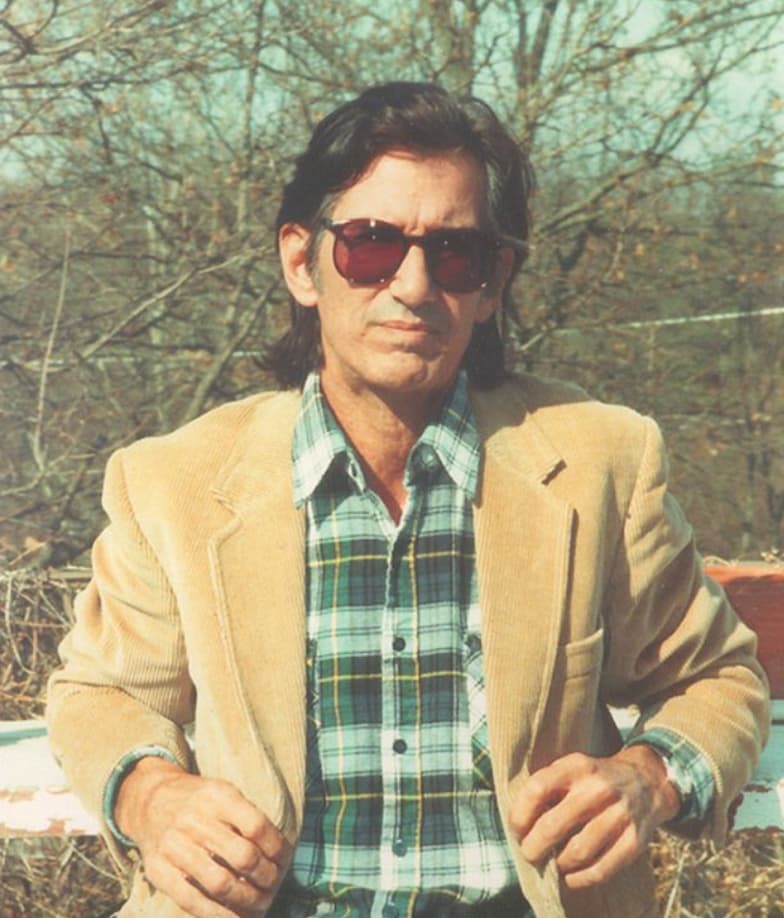
Tecumseh Valley — a portrait of longing, dignity, and a life carved by quiet sorrow
There are songs that tell a story, and then there are songs that feel like stories we’ve carried in our hearts long before we ever heard them. “Tecumseh Valley” by Townes Van Zandt is one of those rare pieces — a song that doesn’t simply unfold, but settles into you, quietly, slowly, like dusk drifting across a lonely town. First released on his 1969 album Our Mother the Mountain, the track never touched the charts, yet it became one of the most enduring cornerstones of Van Zandt’s legacy. In the world of songwriting, its reputation stands taller than any ranking number could ever measure.
From the very first lines, Van Zandt creates a world that feels both specific and universal. The coal-dust towns, the fading hopes, the weight of survival — and at the center of it all stands Caroline, the young woman whose life the song follows. Though the story is fictional, listeners have long sensed that she embodies the quiet tragedies Townes saw in the world around him: people forgotten by time, yet still holding on to a thin thread of dignity.
But what makes “Tecumseh Valley” powerful isn’t only its narrative — it’s the way Van Zandt tells it. His voice is steady, almost resigned, carrying tenderness without sentimentality. He doesn’t dramatize Caroline’s struggles; instead, he honors them. He gives her a name, a story, a place in memory. In a world full of loud songs and grand claims, he writes with the humility of a man who understands how fragile a human life can be.
And as the story moves from hardship to heartbreak, it does so with a stillness that feels almost sacred. When Caroline leaves home, when she falls into the shadows of a life she never wished for, when she reaches the end of her path — Van Zandt lets each moment land softly, as though he were placing flowers on a forgotten grave. By the time the final verse arrives, the song doesn’t simply tell you that she’s gone; it asks you to feel the echo of a life that could have been.
Listeners who grew up hearing folk songs of the 1960s and ’70s often return to “Tecumseh Valley” not just for its story, but for the way it brings them back to a time when songwriting felt deeply human. Van Zandt belonged to a tradition where the guitar was simple but the truth was complex. And in this song, he reaches his storytelling peak — not through ornamentation, but through honesty.
There is also the unmistakable sense that Van Zandt saw something of himself in Caroline. The loneliness, the drifting, the longing for something better — these are themes that run through his entire life’s work. “Tecumseh Valley” becomes a mirror, reflecting not only her sorrow but his own. Many listeners, especially those who have weathered their own long roads, feel that same reflection in their hearts.
Over the years, countless artists have covered the song, each drawn to its quiet beauty and emotional clarity. Yet no version matches the original’s gentle ache, the way Van Zandt’s voice trembles just slightly as though he were standing in the ruins of a memory. It’s a performance that doesn’t try to impress — it simply tells the truth.
And maybe that’s why “Tecumseh Valley” endures. It’s more than a folk ballad. It’s a reminder that behind every life — even the ones the world forgets — lies a story worth telling, a dream worth mourning, a hope worth remembering.
Townes Van Zandt carved Caroline’s name into the landscape of American songwriting, and in doing so, ensured that her footsteps would never disappear entirely. In the quiet spaces of this song, listeners can still hear her walking, still feel her searching, still sense the fragile strength she carried to the very end.