
A high-speed, witty reflection on the universal experience of growing up and shedding youthful naiveté for life’s main event.
The mid-1970s. A time when pop music, especially across the Atlantic in the UK, was embracing the flamboyant theatricality of Glam Rock and the sharper edges of Art Pop. Emerging from this electric atmosphere were the brothers Ron and Russell Mael, the quintessential American expatriates who, as Sparks, were suddenly, gloriously, everywhere. After two earlier, less successful albums in the States, their move to London ignited a creative powder keg, resulting in the masterpiece album, Kimono My House, released in May 1974. Following the massive, operatic success of their breakthrough hit “This Town Ain’t Big Enough for Both of Us,” the second single released from that album was the equally distinctive and memorable track, “Amateur Hour”.
Released in 1974, “Amateur Hour” cemented Sparks’ position as a band of brilliant, quirky oddballs and sophisticated pop craftsmen. The single was a resounding success in the UK, reaching a peak chart position of No. 7 on the Official Singles Chart in August 1974, proving that the Mael brothers were no one-hit wonders. This song, with its dizzying vocal delivery and Ron Mael’s signature jagged, vaudeville-meets-glam-rock keyboard arrangements, was essential listening for anyone who felt they were on the cusp of something bigger, something more.
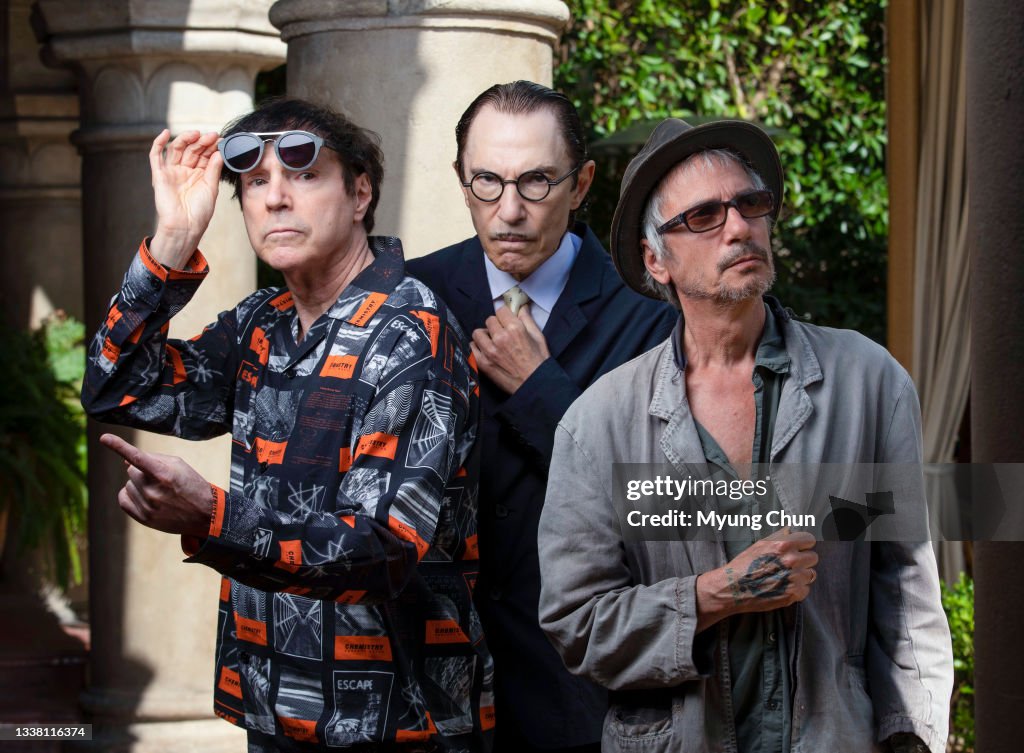
The story behind “Amateur Hour” is inextricably linked to the persona and vision of Sparks themselves, particularly the theatrical rivalry and aesthetic contrast between the suave, mustachioed, and motionless songwriter Ron Mael and the hyperactive, falsetto-singing frontman Russell Mael. Lyrically penned by Ron, the song tackles the anxieties, aspirations, and clumsy attempts at sophistication that define the transition from youth to adulthood. It’s a cheeky, yet profound, look at the notion of a “one-night stand” or simply any early, tentative foray into the adult world of relationships, careers, or even simply trying to appear cool. The core meaning is beautifully captured in the high-speed tongue-twister chorus, a true marvel of Russell’s vocal control: “And amateur hour goes on and on / When you turn pro, you know / She lets you know.” It’s about the inevitable awkwardness—the “amateur hour”—that precedes mastery in any endeavor, but here, it’s most poignantly applied to the awkward dances of dating and sex.
For those of us who came of age in that era, or shortly thereafter, the song taps into a deep well of nostalgic memory. Who among us doesn’t recall that pang of social discomfort, that feeling of being caught between childish innocence and adult ambition? The lyrics speak of youthful physical changes (“Girls grow tops to go topless in / While we sit and count the hairs that blossom from our chins”) and the frantic, almost desperate race to catch up (“So choose your partners everyone / If you hesitate the good ones are gone”). The song acknowledges this universal pressure to “turn pro” but wraps it in a clever, humorous, and gloriously dramatic package.
Beyond the lyrical brilliance, the track’s sound—a high-energy blend of glam rock, art pop, and an almost proto-New Wave sensibility—was utterly unique. It perfectly captured the feeling of nervous, exhilarating energy. The punchy rhythm section, the rapid-fire piano runs, and Russell’s breathless, theatrical performance create a sound that is both utterly infectious and surprisingly insightful. “Amateur Hour” wasn’t just a hit song; it was a cultural mirror, reflecting the beautiful, often cringeworthy, universal struggle to grow up, a feeling that, for many of us, is now colored with the warm, gentle haze of time past. The Mael brothers’ brilliance was in making that struggle sound so vibrant, so grand, and so utterly unforgettable.