
An Operatic, Glam-Rock Duel of Wit and Falsetto: The Quintessential Sparks Anthem
A Musical Gunfight Where Only One Persona Can Triumph
Ah, 1974. A time when music was shedding its skin, moving from the earnest, long-haired sincerity of the past into the knowing, theatrical, and often gloriously eccentric realm of Glam Rock. Into this vibrant, shimmering melee stepped the American brothers Ron and Russell Mael, collectively known as Sparks, with a song that didn’t just make a splash—it detonated on the British charts. That song was, of course, “This Town Ain’t Big Enough for Both of Us,” the electrifying lead single from their breakthrough album, Kimono My House.
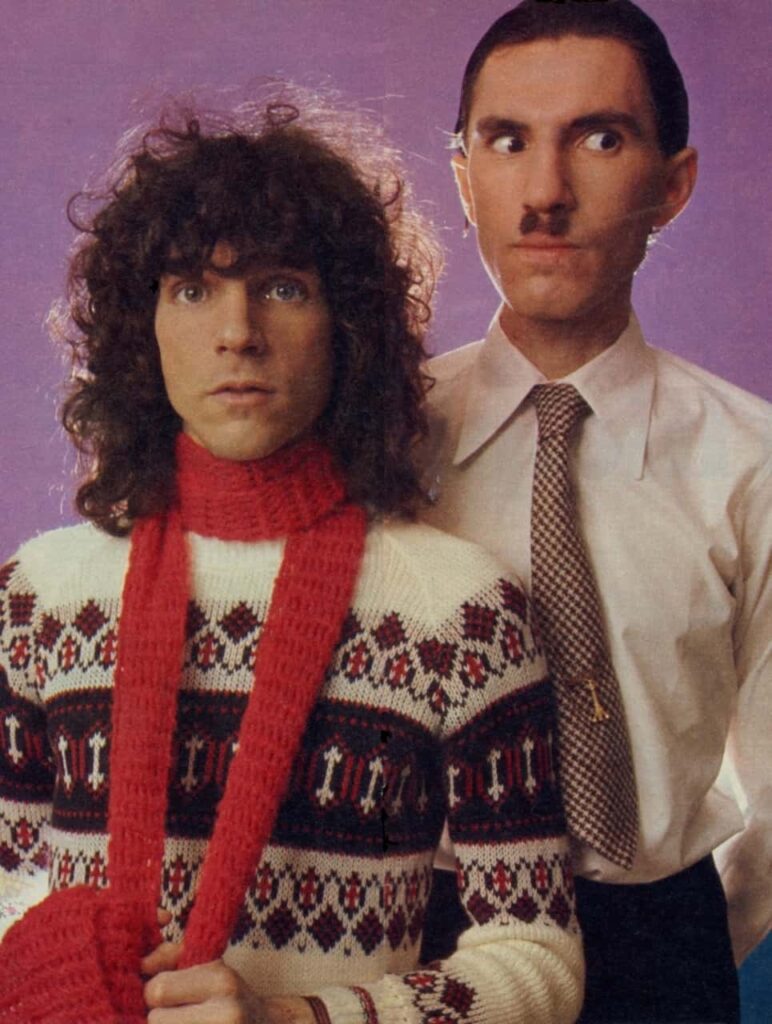
For those of us who remember flicking on Top of the Pops back then, seeing Russell Mael, all frantic energy and trademark manicured hair, delivering those ridiculously rapid-fire, high-pitched vocals, and the stoic, almost terrifyingly motionless figure of his brother Ron Mael behind the keyboard, it was a moment of pure, captivating strangeness. This wasn’t just a pop song; it was a three-minute, six-second opera of neurotic tension and witty absurdity. The tune itself was a stunning success, soaring to a peak position of number two on the highly competitive UK singles chart. It’s a testament to the song’s unique power that it managed to become a mainstream hit despite being so radically “atypical of the time,” as Russell himself noted, shunning the conventional verse-chorus-verse structure for something far more provocative and challenging.
The conceptual brilliance of “This Town Ain’t Big Enough for Both of Us” is rooted in a cinematic cliché. Songwriter Ron Mael originally conceived of the track with the idea of having his brother, Russell, belt out a different well-worn movie dialogue trope after each verse. One of these phrases was the Western film challenge, “This town ain’t big enough for the both of us,” famously used in the 1932 film The Western Code. Ron wisely chose to focus and repeat this single, potent phrase, creating an anchor for the song’s theatrical melodrama. The lyrics themselves, laden with humorous, vivid, and deeply surreal imagery—like the line about “twenty cannibals” needing their protein—paint a picture that, at its core, is a darkly comic murderous fantasy. It’s a lover’s duel, a rivalry so intense that the world cannot contain both combatants. Some analysts, however, have also posited that the song cleverly works as a meta-commentary on the intense duality and creative tension between the two Mael brothers themselves, forever competing for the spotlight, albeit in vastly different ways.
The story of the recording itself speaks volumes about the Sparks ethos. Ron Mael wrote the song with the melody in the key of A and was stubbornly unwilling to transpose it for his brother, claiming he felt no singer was going to “get in my way.” Russell, with his distinct, untrained, but enormously flexible falsetto, had to push his vocal range to accommodate, resulting in that uniquely high, staccato delivery that became instantly iconic. This vocal performance, coupled with the bombastic, Glam-stomp arrangement and the almost jarring inclusion of Western-style gunshot sound effects (courtesy of producer Muff Winwood), made the track unlike anything else on the radio. It was pure art-rock mixed with theatrical pop, demanding attention and rewarding the listener’s ear with layer upon layer of wit and musical virtuosity. The song’s influence rippled outwards, inspiring countless artists who recognized that pop music could be this strange, this smart, and this commercially successful all at once. It remains their signature piece, a brilliant, blazing comet that defined a moment in time and cemented Sparks’ reputation as true innovators.