
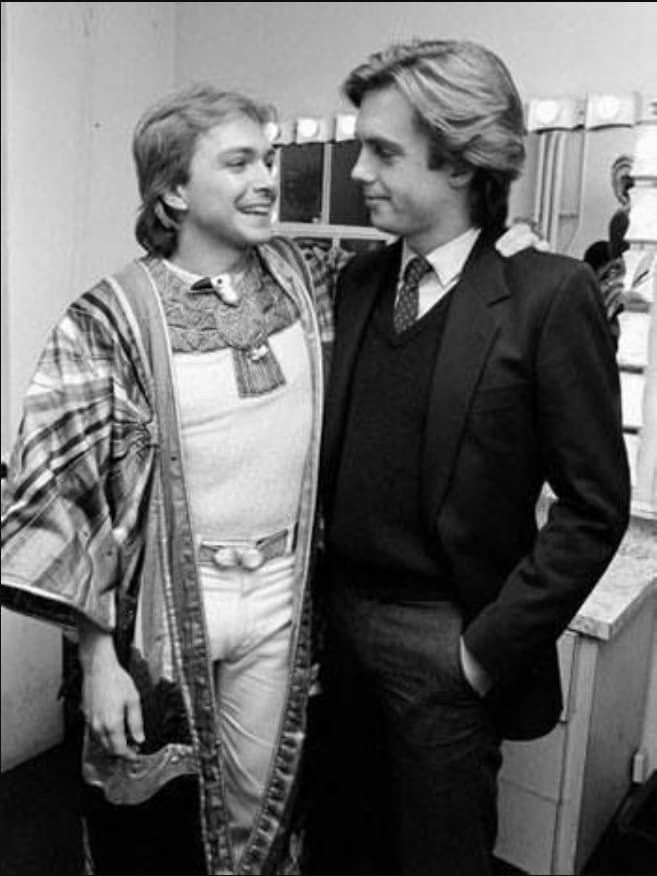
A daring reinvention of a classic anthem for a new era.
Before the likes of Justin Timberlake and Harry Styles dared to shed their boy-band personas, there was Shaun Cassidy. In the late 1970s, he was the quintessential teen idol, a wholesome heartthrob with feathered hair and a megawatt smile. His early hits, like the bubblegum classic “Da Doo Ron Ron” and the rock ‘n’ roll homage “That’s Rock ‘n’ Roll”, were the soundtrack to countless slumber parties and plastered across the walls of teenage bedrooms. But by 1980, the tide was turning. The disco craze was fading, and a leaner, more angular sound was taking hold. It was the dawn of a new decade, and for Shaun Cassidy, it was a make-or-break moment. To survive, he had to evolve.
His fifth and final studio album, Wasp, released in 1980, was his bold attempt at musical metamorphosis. It was a complete departure from the sugary pop that had made him a star. Gone were the saccharine strings and catchy refrains. In their place was a raw, new wave sound, thanks to the creative collaboration with rock polymath Todd Rundgren and his band, Utopia. This album was a statement, a clear signal that Shaun Cassidy wanted to be taken seriously as an artist. And at the heart of this artistic pivot was his audacious cover of David Bowie’s glam-rock anthem, “Rebel, Rebel.”
The original “Rebel, Rebel,” a 1974 masterpiece, was a celebration of gender fluidity and defiant self-expression. It was a call to arms for those who didn’t fit neatly into society’s boxes, an ode to the “hot tramp” and the “Rebel Rebel.” For Shaun Cassidy, a singer whose image was built on wholesome, conventional masculinity, taking on this song was a brave, almost shocking choice. His rendition wasn’t a carbon copy; it was a reinterpretation for the new decade. He infused the iconic guitar riff with the jittery energy of new wave synths, creating a danceable, slightly jarring, and undeniably fresh take on the classic. The song’s spoken-word portion, where he cleverly recites lyrics from The Crystals’ “He’s a Rebel,” was a nod to his bubblegum past while signaling his new direction.
Despite its artistic merits and daring nature, the single “Rebel, Rebel” did not achieve the commercial success of his earlier hits. It failed to chart on the Billboard Hot 100, a stark contrast to his past triumphs. The Wasp album itself also didn’t fare well, and the pop career of Shaun Cassidy effectively ended with its release. But looking back, that doesn’t diminish the significance of the song. It represents a poignant moment in music history—a talented young man grappling with his identity and a fading pop machine, choosing artistic integrity over commercial safety. It was a courageous move, a farewell to the teen idol he had been, and a genuine, if unfulfilled, attempt to find his footing as a more serious artist. For those who grew up with him, hearing “Rebel, Rebel” today isn’t just a trip down memory lane; it’s a testament to the fleeting nature of fame and the courage it takes to change, even when the world isn’t ready for it