
The song of a last chance, a quiet, desperate whisper in the face of an uncertain future.
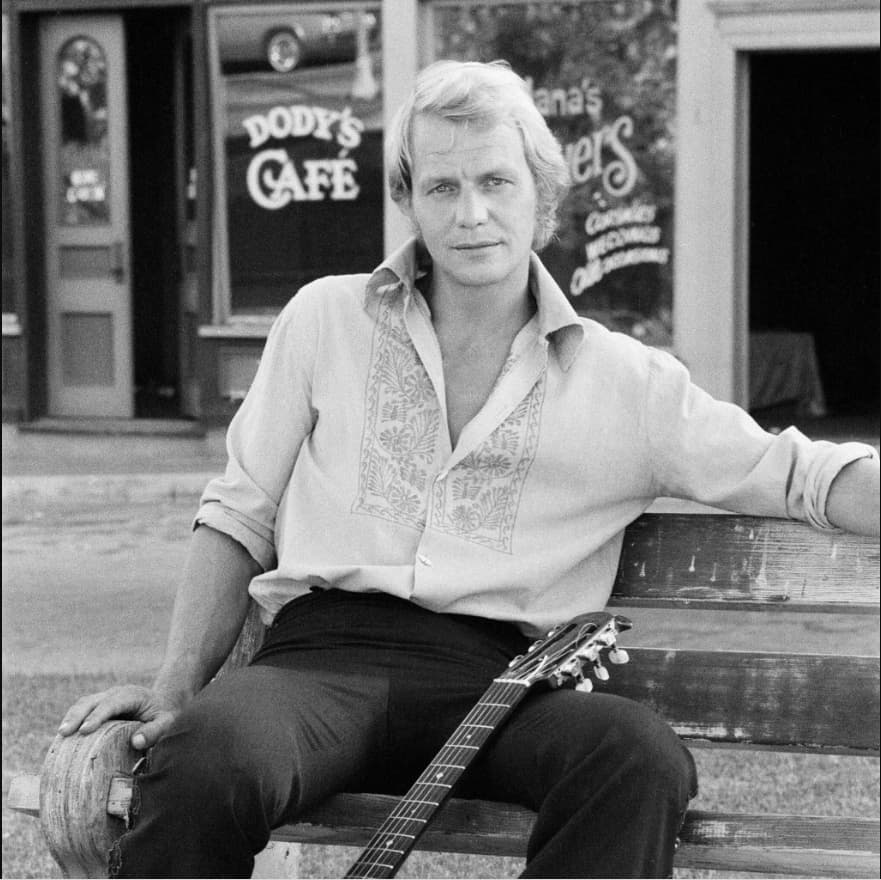
Ah, the 1970s. A time of bell-bottoms, disco, and a certain kind of soft-rock ballad that could perfectly capture the ache of a broken heart. In the midst of that decade, a voice familiar from television screens across the globe emerged from the shadows of a fictional Ford Gran Torino. It was the voice of Detective Ken “Hutch” Hutchinson, but the song he sang was far from the high-octane drama of the streets. It was a plea, a vulnerable, emotional appeal for a love on the verge of collapse. The song was “Don’t Give Up On Us,” and the singer was the ever-charismatic David Soul.
Released in late 1976 in the UK and early 1977 in the US, this timeless ballad didn’t just find an audience; it captivated them. It ascended to the top of the charts with a speed that spoke to its universal message. In the United Kingdom, it spent an impressive four weeks at the number one spot on the UK Singles Chart in January and February of 1977. Its success wasn’t limited to the British Isles; it mirrored this performance across the Atlantic, where it climbed to number one on the Billboard Hot 100 in April of the same year. It was a true transatlantic smash, a rare feat for an actor-turned-singer. For a moment, David Soul was not just half of a legendary crime-fighting duo; he was a pop sensation in his own right, selling over a million copies in the UK alone.
The story behind the song is one of opportunity and perfect timing. While David Soul‘s primary claim to fame was his role as Hutch in the television series Starsky & Hutch, his ambition had always been to be a singer. The show’s producers even subtly wove this into the character, with Hutch occasionally seen playing the guitar. This public persona, combined with his handsome, sensitive image, created the ideal platform for a song like “Don’t Give Up On Us.” The track was written and produced by the incredibly talented Tony Macaulay, a British songwriter who had penned hits for groups like The Foundations and Edison Lighthouse. Macaulay saw the potential in Soul‘s burgeoning celebrity and crafted a song that perfectly fit his public image, a gentle, melodic plea that stood in stark contrast to the gritty, action-packed world of his on-screen character.
The meaning of the song is etched into its very title. It’s an intimate conversation, a final, raw attempt to salvage a relationship that is hanging by a thread. The lyrics speak of a recent, painful argument—”I really lost my head last night”—and the deep regret and fear that follow. It’s a candid admission of fault and a desperate request for a second chance. The singer isn’t making excuses; he’s simply asking for one more night, one more chance to prove that the good moments, the shared history, and the love itself outweigh the recent turmoil. It’s a sentiment that resonates deeply with anyone who has ever stared into the abyss of a failing relationship, knowing that a single moment of anger could undo a lifetime of memories. The song’s reflective tone, backed by a lush, string-laden arrangement, gives it a quiet dignity. It’s not a grand, dramatic declaration of love, but a weary, humble surrender to the reality that some bonds are worth fighting for, even when all hope seems lost.
For those who lived through the 1970s, “Don’t Give Up On Us” is more than just a song; it’s a nostalgic time capsule. It evokes memories of a simpler era, of a time when the biggest celebrity on television could also be a chart-topping pop star. It’s a reminder of long drives, mix tapes, and the soft, crackling sound of a needle on vinyl. The song’s tender vulnerability was a welcome respite from the high-energy sounds of disco that dominated the airwaves. It was a quiet moment in a loud decade, a personal story told on a global stage. The success of “Don’t Give Up On Us” was a testament not just to David Soul‘s unexpected musical talent, but to the power of a genuine, relatable emotion. It reminded us that beneath the surface of even the most heroic figures, there lies a human heart capable of great love and profound fear. It’s a song that, decades later, still feels just as personal and just as important as it did all those years ago.
 Great Songs