
“The Night They Drove Old Dixie Down” is a poignant and powerful ballad that captures the sorrow and devastation of the American South at the end of the Civil War.
A Haunting Ballad of Southern Loss and Memory
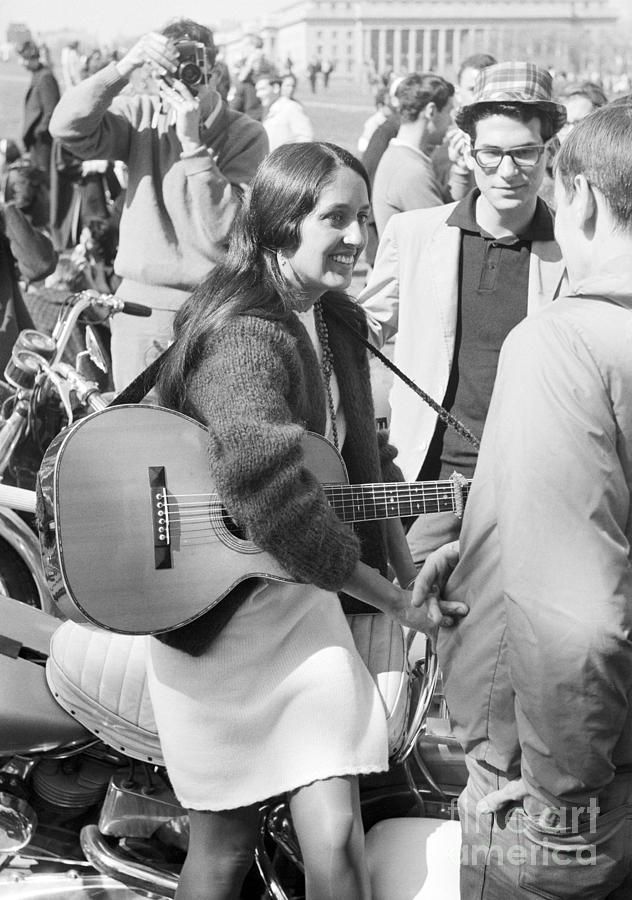
In the annals of American folk music, few songs possess the profound, haunting resonance of “The Night They Drove Old Dixie Down.” It’s a track that feels less like a piece of music and more like a faded photograph—a sepia-toned memory of a bygone era, soaked in the bittersweet tears of loss and the quiet dignity of a people brought to their knees. This wasn’t just another song on the radio; it was a hymn, a lament, a folk epic that spoke directly to the soul. Written by Robbie Robertson of The Band, the song first appeared on their self-titled 1969 album, The Band. Though The Band’s original version is a masterpiece in its own right, it was Joan Baez’s 1971 rendition that catapulted the song into the stratosphere of popular culture. Her version, released on the album Blessed Are…, reached an astonishing No. 3 on the Billboard Hot 100 chart, solidifying its place as an iconic anthem of its time.
The story behind the song is as rich and layered as the tune itself. Robbie Robertson, a Canadian, was fascinated by the American Civil War and the lingering scars it left on the Southern psyche. He spent weeks immersed in books and firsthand accounts, trying to understand the emotional landscape of the defeated South. The narrative centers on a fictional character named Virgil Caine, a weary, impoverished Southern man whose world has been shattered. The song’s opening lines immediately paint a vivid, somber picture: “Virgil Caine is the name / And I served on the Danville train / ‘Til Stoneman’s cavalry came / And tore up the tracks again.” This isn’t a triumphant tale of battle, but a personal, intimate look at the cost of war. The story isn’t about generals and grand strategy; it’s about the common man—a working-class Southerner whose livelihood and way of life have been irrevocably destroyed.
The meaning of the song is deeply rooted in the notion of empathy and understanding the “other side” of a conflict. Robertson didn’t write a pro-Confederate anthem; rather, he penned a universal tale of sorrow and the end of an era. The titular “Dixie” isn’t a political statement but a symbol of a lost home, a cherished way of life that was violently brought to an end. The phrase “the night they drove old Dixie down” is a powerful metaphor for the moment the dream of the Confederacy, however flawed, was shattered forever. It’s a song about a man watching his world burn and trying to make sense of the ashes. This poignant perspective, especially from a Canadian artist, offered a unique and heartbreaking look at a painful chapter in American history.
For those of us who came of age during the tumultuous late ’60s and early ’70s, “The Night They Drove Old Dixie Down” was more than a song; it was a moment of shared reflection. It spoke to a sense of loss that transcended political divides. In a time of protest and social upheaval, this track offered a quiet, introspective counterpoint—a moment to remember that history, in all its complexity, is filled with personal stories of hardship and resilience. Joan Baez’s voice, pure and ethereal, imbued the song with an almost spiritual quality, turning Virgil Caine’s plight into a universal human experience. Her clear, piercing delivery made every word resonate with a profound sense of sadness and dignity. It’s a song that, even decades later, still has the power to stop you in your tracks, reminding us that even in victory, there is immense loss, and that the echoes of the past continue to shape the present.