
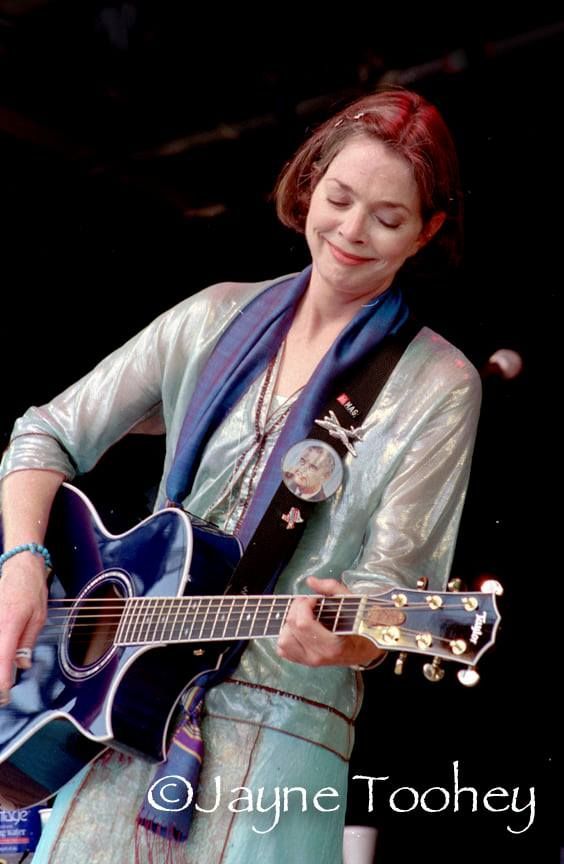
A Lullaby for the Weary Soul: Finding Hope in the Twilight Years
Ah, if my memory serves me right, we’re talking about a true gem here, aren’t we? “Sweet Dreams Will Come” by the incomparable Nanci Griffith and the equally revered John Stewart. This wasn’t a track that stormed the pop charts, not in the way some of the flashy tunes of the era did. It wasn’t about fleeting trends or manufactured stardom. Instead, it carved its own quiet path, a testament to the enduring power of genuine artistry. You won’t find it nestled high on the Billboard Hot 100 from its release around 1986, though it certainly found its home on folk and Americana charts, resonating deeply within those communities. For many of us who cherished meaningful lyrics and heartfelt melodies over catchy hooks, its position wasn’t measured by sales figures but by the quiet comfort it offered, a steady presence in our personal soundtracks. It was the kind of song you’d stumble upon on a late-night radio show, or hear whispered across the airwaves from a station that truly understood the soul of music, and it would just… stick.
The story behind “Sweet Dreams Will Come” is as poignant as the song itself, deeply rooted in the lives and artistic journeys of two masterful storytellers. Nanci Griffith, with her distinctive blend of folk, country, and pop, was renowned for her narrative songwriting, often painting vivid pictures of ordinary lives with extraordinary depth. And John Stewart, a member of the legendary Kingston Trio and a formidable solo artist in his own right, brought a rich tapestry of Americana and a profound understanding of the human spirit to every note he played and every word he sang. Their collaboration on this particular track was more than just two voices harmonizing; it was a meeting of kindred spirits, both deeply attuned to the anxieties and aspirations that ripple beneath the surface of everyday existence.
At its core, “Sweet Dreams Will Come” is a lullaby, not just for a child, but for the weary soul, especially those of us who have lived long enough to accumulate a fair share of worries and disappointments. It’s a gentle reassurance that despite the storms we weather, despite the inevitable anxieties that creep in with the fading light of day, there is always the promise of solace, of peace, and yes, of sweet dreams. The lyrics speak to the universal human experience of grappling with fear, uncertainty, and the passage of time. They acknowledge the darkness, the doubts that can plague us as we lie awake, but they ultimately offer a beacon of hope. It’s a tender hand reaching out in the quiet of the night, reminding us that even when the world feels overwhelming, there’s a quiet strength to be found in simply letting go and trusting that brighter moments will indeed arrive.
One can almost hear the rustle of faded photographs as this song plays, each note evoking a flood of memories. For those of us who grew up with the anxieties of the Cold War, or navigated the tumultuous social changes of the mid-to-late 20th century, the song’s message of resilience and enduring hope resonates profoundly. It speaks to the quiet wisdom that comes with age, the understanding that life is a cycle of light and shadow, and that even in the deepest shadows, the promise of renewal always lingers. It’s about finding comfort in the simple act of breathing, in the quiet of our own homes, and in the knowledge that after every long day, the gentle embrace of sleep, and with it, the possibility of sweet dreams, will come. It’s a reminder to shed the day’s burdens, to trust in the natural rhythm of life, and to embrace the tranquility that awaits us, even when it feels elusive. This wasn’t just a song; it was a whispered promise, a quiet prayer, and a warm embrace for anyone who needed a reminder that even in the twilight of our years, or indeed, at any point in life’s journey, peace is not only possible but inevitable. It’s a timeless piece, much like a well-worn blanket on a chilly evening, offering comfort and a sense of enduring calm.