
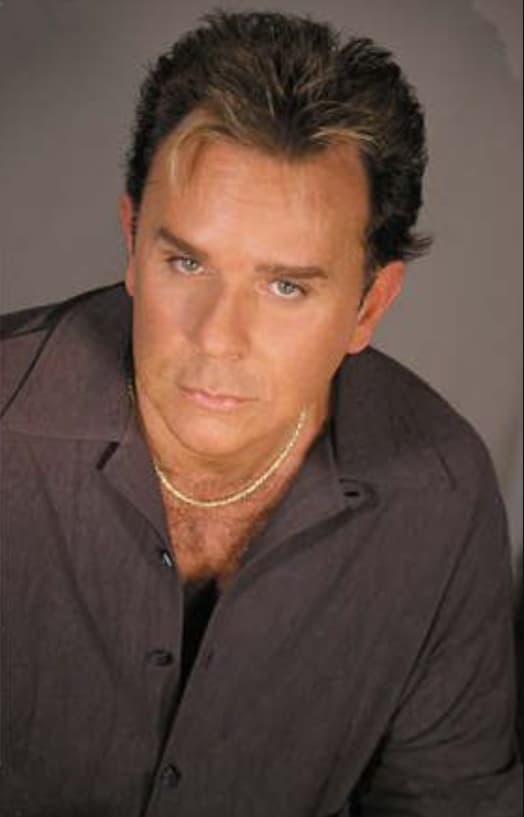
A Timeless Reflection on Duality and Inner Conflict
Ah, the 1960s. A decade of seismic shifts, of youthful rebellion, and of melodies that, even today, can transport you back to simpler, yet profoundly complex, times. Among the many voices that graced the airwaves during that vibrant era, one, in particular, stood out for his distinctive falsetto and theatrical delivery: Lou Christie. And within his discography, there’s a gem that perfectly encapsulates the era’s evolving introspection, a song that, upon its release, climbed the charts and burrowed itself into the collective consciousness: “Two Faces Have I.”
Released in 1963, a year teetering on the cusp of the British Invasion and the burgeoning counterculture, “Two Faces Have I” wasn’t just a catchy tune; it was a Top 10 hit, peaking impressively at number 6 on the Billboard Hot 100 chart. This was a significant achievement for Lou Christie, solidifying his place as a purveyor of unique pop artistry. The song itself, co-written by Christie (under his given name, Luigi Alfredo Sacco) and his long-time collaborator, Twyla Herbert, was a testament to their uncanny ability to craft narratives that resonated deeply with a generation beginning to question the established norms.
The story behind “Two Faces Have I” is as intriguing as the song’s lyrical content. Christie and Herbert were known for their unconventional songwriting process, often drawing inspiration from their shared observations of human nature and the complexities of relationships. In an age where pop songs often painted simplistic pictures of love and heartache, “Two Faces Have I” dared to delve into a more nuanced psychological landscape. It speaks to a universal human experience – the internal struggle between different facets of one’s personality, the public persona versus the private turmoil. This wasn’t just a boy singing about a girl; it was an exploration of the self, a theme that, while perhaps not explicitly recognized by all listeners at the time, certainly struck an unconscious chord.
The meaning of “Two Faces Have I” is beautifully multifaceted. On the surface, it can be interpreted as the lament of a lover who presents one face to their beloved – perhaps the confident, charming suitor – while harboring a secret, more vulnerable, or even darker side. “One for the world, and one for you,” Christie croons, immediately establishing this duality. Yet, beneath this romantic interpretation lies a deeper, more existential rumination. It speaks to the masks we all wear, the roles we play in different social settings, and the often-hidden anxieties and desires that lie beneath. For older readers, this theme might resonate with a particular poignancy. We’ve all lived long enough to accumulate experiences that have shaped us, sometimes into conflicting versions of ourselves. We’ve learned to present a certain image to the world, while wrestling with our inner demons or holding onto forgotten dreams. The song subtly acknowledges this inherent human condition, making it timeless in its appeal.
The arrangement of “Two Faces Have I” is also worth noting. It features Lou Christie’s signature falsetto, soaring and almost operatic, which adds a dramatic flair to the introspective lyrics. The instrumentation, with its driving rhythm and melodic hooks, creates a sense of urgency and emotional intensity, perfectly mirroring the internal conflict described in the lyrics. It’s a testament to the masterful production that the song, despite its somewhat complex theme, remained incredibly accessible and memorable. It was a staple on AM radio, a song that you couldn’t help but sing along to, even if its deeper meaning took years, or perhaps even decades, to fully unfold for you. It’s the kind of song that, upon hearing it again, can evoke a rush of memories – of first loves, of dances in dimly lit gymnasiums, of a time when the world felt both boundless and intimately personal. “Two Faces Have I” is more than just a song; it’s a nostalgic mirror, reflecting a piece of our own multifaceted selves back to us.