
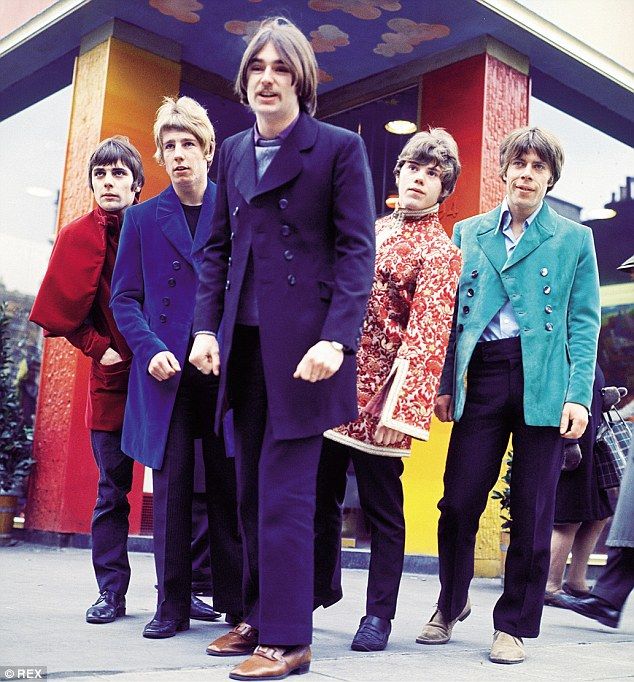
Status Quo’s Rain Endures as a Timeless Rock Anthem Fueled by Passion and Groove
Few songs capture the spirit of classic rock with the effortless confidence of Rain by Status Quo. Decades after its release, the track continues to be celebrated as one of the band’s finest achievements, earning admiration for its powerful songwriting, memorable performance, and unmistakable energy. Although it is sometimes regarded as an underrated classic, Rain remains a defining example of the band’s ability to create music that is both simple and remarkably effective.
The song reflects everything that made Status Quo one of Britain’s most distinctive rock bands during their prime. Its driving rhythm, tight musicianship, and natural groove combine to create a sound that feels authentic and timeless. Many continue to regard the band as one of the most overlooked acts in British rock history despite producing a remarkable catalogue of memorable songs. At their peak, Status Quo delivered a style of rock that felt effortless while maintaining an intensity that few bands could match.
Special appreciation is often directed toward the original lineup, whose chemistry became the foundation of the group’s success. Among them, Rick Parfitt remains especially admired for his exceptional rhythm guitar playing. Following his passing, heartfelt tributes have described him as one of the greatest rhythm guitarists in rock music. His playing helped define the unmistakable sound that made Status Quo instantly recognizable on stage and in the studio.
The band’s reputation as a live act also continues to inspire deep admiration. Memories of performances during the nineteen seventies are often recalled with genuine affection, particularly the famous concert at the Glasgow Apollo in October nineteen seventy six where the celebrated Live album was recorded. Those who experienced that era often describe the atmosphere as unforgettable, remembering a time when the music seemed larger than life and every performance carried an extraordinary sense of excitement and freedom.
Stories surrounding the creation of Rain have also become part of the song’s lasting legacy. According to long shared accounts, Rick Parfitt wrote both Rain and Mystery Song while working alone in the studio during a period of intense creative energy after the other members had left. Whether remembered for its remarkable origin or for its unforgettable sound, Rain continues to stand as a testament to Parfitt’s musical instinct and the band’s unique chemistry.
Today, Rain remains a shining example of pure rock and roll. Its infectious rhythm, confident performance, and enduring spirit continue to remind music lovers why Status Quo earned a lasting place in rock history. The song stands not only as one of the band’s greatest recordings but also as a celebration of the timeless power of honest, energetic, and unforgettable music.