
A Timeless Bloom: The Enduring Legacy of “Wildwood Flower”
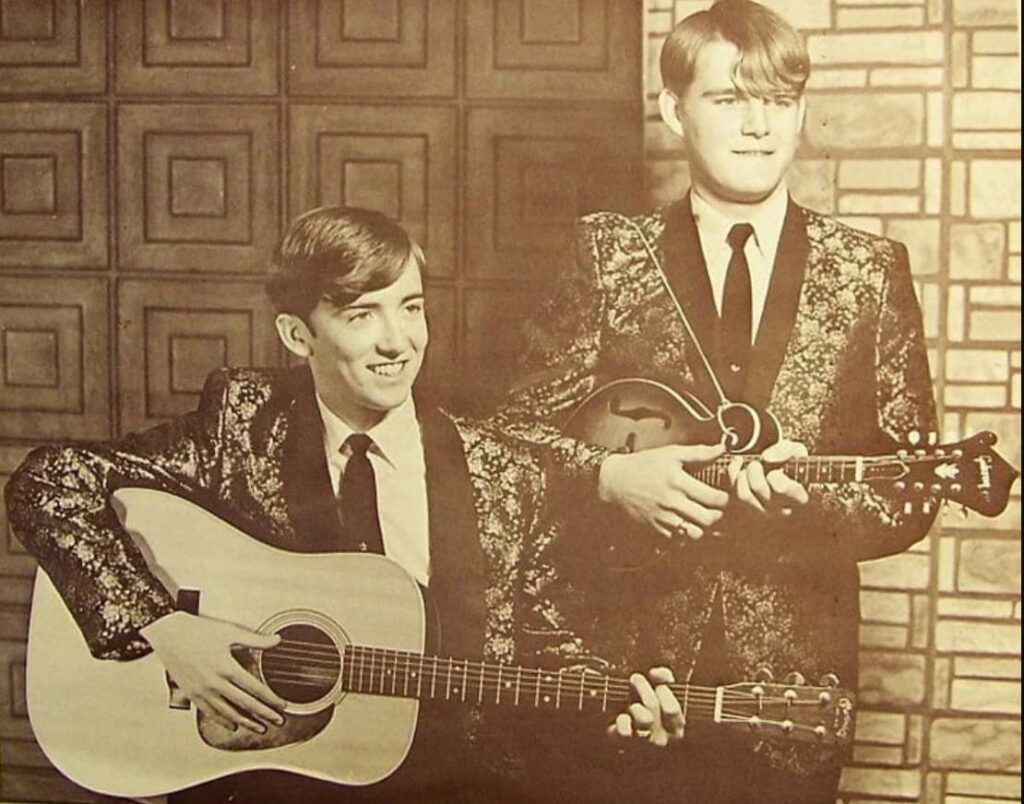
Oh, the echoes of youth and the enduring spirit of classic bluegrass – a sound that, for many of us, feels like coming home. Today, we’re casting our minds back to a remarkable rendition of a song that’s been woven into the very fabric of American folk music for over a century: “Wildwood Flower” as performed by two prodigious talents, Keith Whitley and Ricky Skaggs.
This particular version of “Wildwood Flower” wasn’t a chart-topping hit in the conventional sense, as it hails from their 1971 album, “Second Generation Bluegrass” (also sometimes referred to as “2nd Generation Bluegrass”). This album, released on Rebel Records, didn’t climb the Billboard Country charts in the way their later, individual mainstream successes would. However, its significance lies not in its commercial chart position, but in its profound impact within the bluegrass community and its testament to the roots of these two legends. At the time of its release, both Whitley and Skaggs were barely out of their teens – just 17 years old, can you imagine? Yet, they delivered a performance steeped in a wisdom and authenticity that belied their tender years.
The story behind this recording is a beautiful testament to raw talent and the passing of a musical torch. Keith Whitley and Ricky Skaggs met as teenagers and quickly formed a musical bond, dazzling audiences with their uncanny ability to replicate the sounds of bluegrass pioneers. It’s said that bluegrass legend Ralph Stanley discovered them entertaining a crowd when he was late for a show. So impressed was he by their mastery of the Stanley Brothers‘ style – particularly Whitley’s haunting lead vocals reminiscent of Carter Stanley and Skaggs’s mandolin mirroring Pee Wee Lambert – that he invited them to join his renowned band, the Clinch Mountain Boys. It was during their tenure with Stanley in 1971 that Whitley and Skaggs recorded “Second Generation Bluegrass.” This album was specifically designed to pay homage to the sounds that had inspired them, with more than half the tracks being songs associated with the Stanley Brothers, including “Wildwood Flower.”
Now, about “Wildwood Flower” itself. This song is far older than Whitley and Skaggs, dating back to the 1860s. Originally a parlor song titled “I’ll Twine ‘Mid the Ringlets,” its lyrics were attributed to Maud Irving and the music to Joseph Philbrick Webster. Over the decades, it entered the oral tradition of American folk music, with countless variations emerging. But it was the Carter Family’s iconic 1928 recording that solidified its place in the popular consciousness and defined the version many of us know and love today. Their rendition, famously featuring Maybelle Carter’s innovative “Carter Scratch” guitar style, became a blueprint for generations of acoustic musicians.
The meaning of “Wildwood Flower” is a poignant one, a lament of lost love and a reflection on a heart left broken. The “wildwood flower” itself often symbolizes the narrator – a woman, in the original context – who has been cherished and then carelessly abandoned by her lover. Phrases like, “He taught me to love him, he called me his flower, that blossomed for him, all the brighter each hour; but I woke from my dreaming, my idol was clay; my visions of love have all faded away,” paint a vivid picture of betrayal and disillusionment. It speaks to that universal ache of a love that promised so much, only to wither and die, leaving behind a profound sense of sorrow.
What makes Whitley and Skaggs’s take on “Wildwood Flower” so special, even as an instrumental on “Second Generation Bluegrass,” is the sheer artistry they brought to it. While some versions include vocals, their rendition often focused on the intricate interplay of their instruments, allowing the melody itself to carry the emotional weight. Whitley, primarily known for his golden voice, proved to be an incredible guitar player even at that young age, weaving together elements of Carter style and other bluegrass picking techniques. Skaggs’s mandolin playing added another layer of soulful depth, creating a tapestry of sound that honored the song’s heritage while showcasing their burgeoning mastery.
Listening to it now, you can almost feel the cool breeze sweeping through the hollers of Appalachia, hear the rustle of leaves, and sense the quiet heartbreak that has echoed through those mountains for generations. It’s a reminder of a time when music was passed down, porch to porch, picking up new nuances with each rendition, yet retaining its core emotional truth. For those of us who grew up with these sounds, this version of “Wildwood Flower” isn’t just a track on an album; it’s a whisper from the past, a connection to the enduring power of roots music, and a bittersweet testament to the remarkable, though tragically short-lived, brilliance of Keith Whitley alongside the ever-shining talent of Ricky Skaggs. It stands as a timeless bloom, fragrant with history and steeped in the quiet beauty of a heart laid bare.