
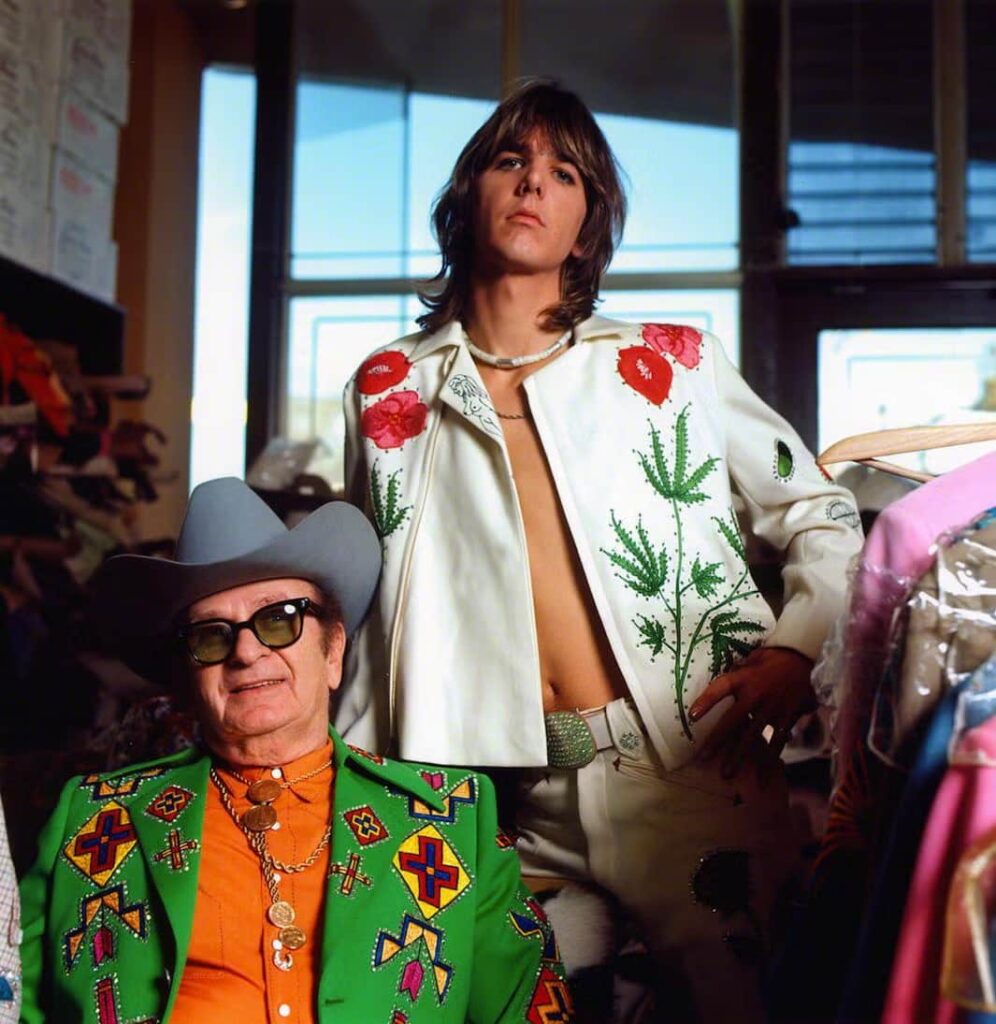
A Poignant Reflection on Love, Loss, and the Open Road
Ah, Gram Parsons. Just the name itself conjures up a specific kind of melancholy, a bittersweet echo of country-rock’s golden age, a period that, for many of us, feels like just yesterday and a lifetime ago all at once. And among his tragically short but profoundly influential body of work, few songs resonate with the depth and raw emotion of “Return of the Grievous Angel.” This wasn’t a chart-topping behemoth in the traditional sense; Parsons was never one for commercial pop success during his lifetime. Instead, his impact was felt in the hearts of musicians and discerning listeners who understood the profound honesty he poured into every note. Released posthumously in 1974 on the album “Grievous Angel,” just months after his untimely passing in September of 1973, the song, and indeed the entire album, became a testament to his unique artistic vision, a final, heartbreakingly beautiful statement from a soul too restless for this world. Its charting, while not a mainstream triumph, solidified its place as a cult classic, a cornerstone of what would become known as alt-country and Americana, influencing countless artists for decades to come.
The story behind “Return of the Grievous Angel” is as interwoven with personal experience and cosmic reflection as any of Parsons’ best. It was co-written with poet and journalist Thomas Brown, and you can almost feel the late-night conversations, the shared musings on life, love, and the vast, indifferent expanse of the American landscape that must have fueled its creation. The song is steeped in the mythology of the road, a recurring theme in Parsons’ music, but here, it takes on a particularly spiritual and almost prophetic quality. It speaks of a journey, not just across miles, but across the soul, grappling with themes of redemption, the elusive nature of true love, and the bittersweet acceptance of life’s transient beauty.
At its core, “Return of the Grievous Angel” is a yearning. It’s the ache for a connection that transcends the physical, a love that feels destined, almost fated. The “Grievous Angel” itself can be interpreted in myriad ways: a muse, a lost lover, a guiding spirit, or even a representation of Parsons’ own nomadic, often troubled, soul finally finding a moment of clarity and hope. The lyrics paint vivid, almost cinematic, pictures of desert nights, long drives, and the quiet contemplation that comes with solitude. It’s a song that understands the profound loneliness of the human condition, yet simultaneously offers a glimmer of hope that true connection, however fleeting, is possible. For those of us who have known the vastness of the open road, the quiet introspection of a long journey, and the yearning for a home that might be more spiritual than physical, this song strikes a deep chord. It’s a song for the dreamers, the wanderers, and those who carry the weight of beautiful, melancholic memories. It reminds us that even in sorrow, there can be a profound, almost divine, beauty. And in the twilight years, as we reflect on our own journeys, our own loves found and lost, “Return of the Grievous Angel” serves as a gentle, evocative soundtrack to those cherished, bittersweet reflections. It’s not just a song; it’s a feeling, a shared understanding across generations of what it means to truly live and love, even when the road ahead is uncertain.