
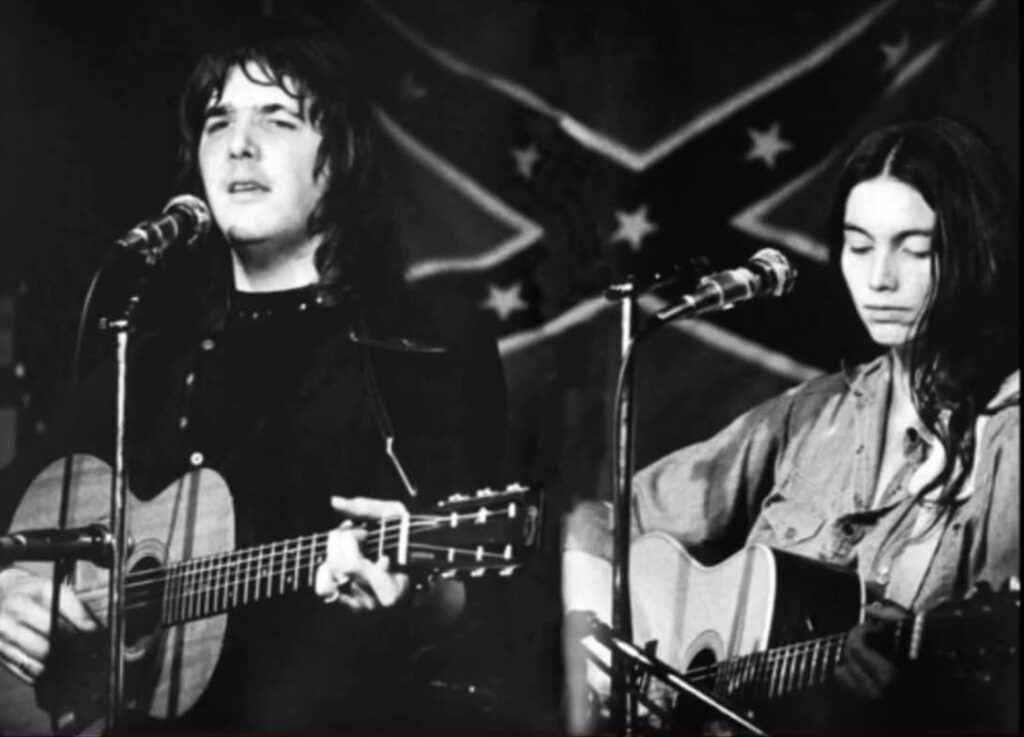
Love Hurts: The Timeless Duet That Defined Gram Parsons and Emmylou Harris
More than five decades after its release, “Love Hurts” by Gram Parsons and Emmylou Harris continues to stand as one of the most cherished recordings in country and Americana music. Released in 1974 on the album Grievous Angel, the song remains a powerful example of emotional storytelling, vocal harmony, and musical chemistry at its finest.
Originally written by Boudleaux Bryant, “Love Hurts” had already been recorded by several artists before Parsons and Harris gave it a new identity. Their interpretation transformed the classic into something deeply personal, blending heartbreak and tenderness in a way that has resonated across generations.
At the center of the recording is the extraordinary connection between the two singers. Parsons’ vulnerable delivery and Harris’ graceful, crystal clear vocals create a rare musical balance. Rather than competing for attention, the two voices seem to merge into a single emotional expression, capturing the pain, beauty, and complexity of love. Their harmonies have often been praised as among the finest ever recorded in country music.
The recording also highlights the exceptional musicianship surrounding the pair. The rich instrumentation, elegant production, and memorable guitar work by James Burton contribute to a sound that remains remarkably fresh decades later. Every element serves the song’s emotional core, allowing its message to unfold with sincerity and restraint.
The legacy of “Love Hurts” is inseparable from the story of Gram Parsons himself. Widely recognized as a pioneering figure who helped bridge country and rock music, Parsons died later in 1973 at the age of just 26, making his collaboration with Harris even more poignant. The recording has since come to symbolize both his artistic vision and the promise of a career cut tragically short.
For Emmylou Harris, the song became an early showcase of the elegance, depth, and emotional intelligence that would define her celebrated career. Her performance remains one of the most admired in her extensive catalog.
Today, “Love Hurts” is frequently regarded as the definitive version of the song and one of the greatest duets ever recorded. Its enduring power lies in its honesty, its beauty, and the unforgettable union of two remarkable voices whose musical partnership continues to inspire long after the final note fades.