
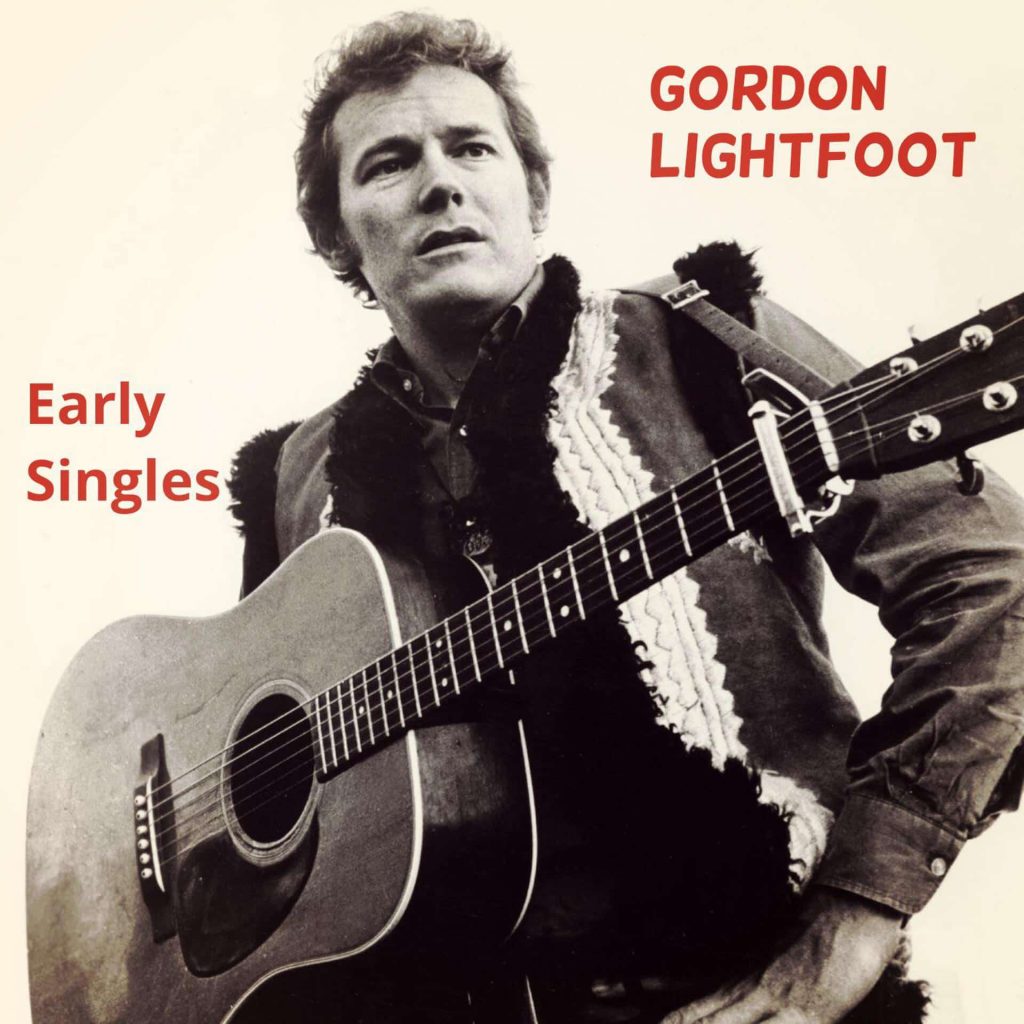
The Song That Reads the Soul: Gordon Lightfoot’s “If You Could Read My Mind”
There are songs that you hear once and remember, and then there are songs like “If You Could Read My Mind”—the ones that seem to remember you. When Gordon Lightfoot released this haunting ballad in late 1970, it didn’t just climb the charts—it etched itself into the quiet corners of human emotion. By early 1971, it had reached No. 5 on the Billboard Hot 100 in the United States and No. 1 on the Adult Contemporary chart, marking Lightfoot’s first major international hit. Yet numbers alone cannot measure the depth of this song’s impact. It wasn’t merely a success; it was a confession, a mirror, and a gentle ache that has never really faded.
The song was born from the ashes of heartbreak. Lightfoot wrote it as his marriage was falling apart, crafting each line like a letter he never sent. Its opening lines—“If you could read my mind, love, what a tale my thoughts could tell”—feel less like lyrics and more like the whisper of a man lost inside his own silence. The melody moves with the slow grace of memory, neither desperate nor bitter, but resigned—accepting the end of something once beautiful.
“If You Could Read My Mind” marked a turning point not only in Lightfoot’s career but in the sound of 1970s folk-pop. Produced by Lenny Waronker and featured on the album Sit Down Young Stranger (later reissued under the song’s title after its success), the record carried a gentle mix of acoustic guitar, light orchestration, and that unmistakable voice—steady, thoughtful, almost trembling with vulnerability. Lightfoot didn’t sing at his listeners; he sang to them, and more importantly, for them.
What makes the song endure isn’t just its melody or craftsmanship—it’s its honesty. Every line carries the weight of things unsaid, of love remembered more tenderly than it was lived. The metaphors of ghosts, paperbacks, and movie queens give the story a cinematic texture, as if Lightfoot were watching his own life flicker on a dim theater screen. And perhaps that’s what makes it so universally resonant: we’ve all sat in that darkened room, reliving what once was, wishing someone could understand the words we never found the courage to speak.
When it first reached radio audiences, its tone stood in quiet contrast to the bombast of early-’70s rock and soul. DJs often introduced it as “the song that stops the room,” and they weren’t wrong. Its introspective calm felt like a warm hand on a weary shoulder—a song to be listened to alone, maybe with the lights low and a cup of something to keep you company.
Over the years, “If You Could Read My Mind” has been covered by countless artists—Barbra Streisand, Johnny Mathis, Glen Campbell, and even Stars on 54, whose 1998 disco version brought the song back to the charts for a new generation. Yet none could quite capture that same intimate ache. Lightfoot’s voice carried something unteachable: the quiet dignity of a man learning to let go.
Today, more than five decades later, the song remains a timeless reflection of love’s fragility and the human longing to be truly understood. It doesn’t beg for sympathy; it simply understands you. Listening to it now feels like leafing through an old journal—you recognize the handwriting, the words, the ache—and you smile, because time has softened what once felt unbearable.
In the end, Gordon Lightfoot’s “If You Could Read My Mind” isn’t just about heartbreak; it’s about clarity. It’s the realization that sometimes love’s truest story is the one we never manage to tell aloud. And maybe, just maybe, that’s what keeps the song alive: it continues to read our minds, even when we can’t quite read our own hearts.
But beyond the impressive chart performance lies a story, as is often the case with the most resonant songs. “If You Could Read My Mind” is, at its core, a deeply personal and vulnerable confession from Lightfoot. It was written in the wake of his marital separation from his first wife, Brita Ingegerd Olaisson, after 10 years of marriage. That raw, aching honesty is palpable in every syllable, every carefully chosen word. He speaks of a relationship crumbling, of two people drifting apart despite a shared history, of unspoken sentiments and missed connections. It’s a song about the agony of miscommunication, the heartbreaking realization that even those closest to us can remain utterly oblivious to our inner turmoil. “I’m just a singer, you’re the song,” he laments, a line that perfectly encapsulates the feeling of being an observer in one’s own unraveling life.
For many of us who remember its initial release, and for those who have discovered it anew over the years, “If You Could Read My Mind” isn’t just a song; it’s a mirror. It reflects our own moments of quiet despair, the times we’ve wished our loved ones possessed a telepathic understanding of our unspoken thoughts and feelings. The melancholic beauty of the acoustic guitar, the gentle swells of the strings, and Lightfoot’s unmistakable baritone — weary yet hopeful — all conspire to create an atmosphere of profound empathy. He doesn’t wallow in self-pity; rather, he invites us into his introspection, allowing us to project our own experiences onto his narrative.
This is a song that evokes memories of quieter times, perhaps late nights spent contemplating life’s intricacies, or long drives through changing seasons. It reminds us of the complexity of human relationships, how love can be both a source of immense joy and profound sorrow. It’s a gentle reminder that even when words fail, music can often bridge the gap, expressing emotions that are too difficult or too painful to articulate. The lyrics, “I’d walk away like a movie star / Who gives the world a knowing wink,” speak to a yearning for a stoic detachment that is ultimately impossible when the heart is truly invested. Instead, he reveals his deepest anxieties, his fears of becoming a “stranger in this town,” a relic of a past that has slipped away. “If You Could Read My Mind” is a timeless piece of artistry, not just because of its musicality, but because it taps into a universal human experience: the silent longing for understanding, the quiet ache of a love that has lost its way, and the enduring power of a story told from the deepest corners of the heart. It remains a testament to Gordon Lightfoot‘s genius as a songwriter, a poet of the human condition, and a voice that continues to resonate with generations.