
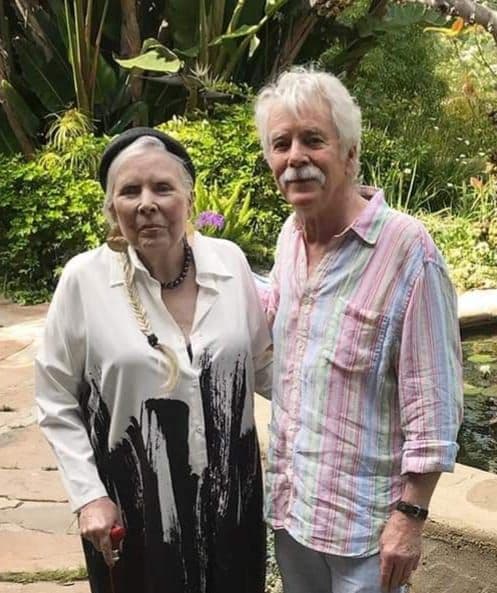
These Days — a quiet reckoning with regret, memory, and the weight of passing time
There are songs that speak softly, yet linger for a lifetime. “These Days”, as recorded by Tom Rush, is one of those rare compositions that feels less like a performance and more like a private confession, overheard by generations who recognize its emotional truth. First appearing on Rush’s 1969 album The Circle Game, the song did not climb the pop charts in the conventional sense, but it achieved something far more enduring: it became a cornerstone of the modern folk canon, cherished for its honesty, restraint, and emotional depth.
Before turning to Tom Rush, it is essential to acknowledge the song’s origins. “These Days” was written by Jackson Browne in the mid-1960s, reportedly when he was still in his late teens. That fact alone gives the song an almost mythical quality — words so mature, so weighted with introspection, written by someone barely at the beginning of life’s journey. The song was first recorded in 1967 by Nico on her album Chelsea Girl, but it was Tom Rush’s version that gave the song a distinctly American folk voice and helped introduce Browne’s songwriting to a wider audience.
Released in 1969, The Circle Game arrived at a pivotal moment in American music and culture. The optimism of the early folk revival had been tempered by social unrest, war, and a growing sense of disillusionment. In this context, “These Days” felt perfectly placed. The album itself reached the Billboard album chart — modestly by pop standards — yet its influence far outweighed its commercial performance. Rush was never chasing hits; he was curating songs that mattered.
What makes Tom Rush’s interpretation so powerful is its restraint. His voice does not dramatize the lyrics. Instead, it carries them with quiet acceptance. When he sings, “I’ve been out walking / I don’t do that much talking these days,” it sounds like the voice of someone who has learned that words are not always the answer. There is no bitterness here, only reflection — the kind that comes from living, losing, and understanding that some choices cannot be undone.
The song’s meaning unfolds slowly. At its core, “These Days” is about reckoning with past decisions, especially those made in love. The narrator looks back not with anger, but with a sober awareness of responsibility. “Don’t confront me with my failures / I have not forgotten them.” This is not a plea for forgiveness; it is an acknowledgment of truth. Few songs articulate regret with such dignity.
For listeners who encountered this song later in life, its resonance deepens with time. Youth may hear it as melancholy; experience transforms it into wisdom. Tom Rush’s calm, unadorned delivery allows space for the listener’s own memories to surface — relationships that faded quietly, roads not taken, conversations left unfinished. The song does not judge. It simply sits with those feelings, honoring them.
Within Tom Rush’s career, “These Days” represents his role not just as a singer, but as a bridge — a musician with an extraordinary ear for songwriting, who introduced audiences to writers like Jackson Browne, Joni Mitchell, and James Taylor before they became household names. In that sense, Rush was never merely interpreting songs; he was shaping the emotional vocabulary of a generation.
Decades later, “These Days” continues to be covered by countless artists, yet Tom Rush’s version remains uniquely intimate. It carries the feeling of a late-night conversation, spoken in low tones, when the world has grown quiet and memory feels closest.
This is not a song that demands attention. It earns it slowly. And for those willing to listen — truly listen — “These Days” becomes a companion. A reminder that reflection is not weakness, that regret can coexist with grace, and that sometimes the most honest songs are the ones that simply tell the truth, without raising their voice.