
A Poignant Reflection on the Inevitability of Farewells and the Quiet Dignity of Letting Go
Tom Rush’s masterpiece is not merely a song about a breakup; it is a stoic, silver-lined meditation on the grace required to walk away when a chapter of life has finally reached its natural end.
The Genesis and Charting of a Folk Standard
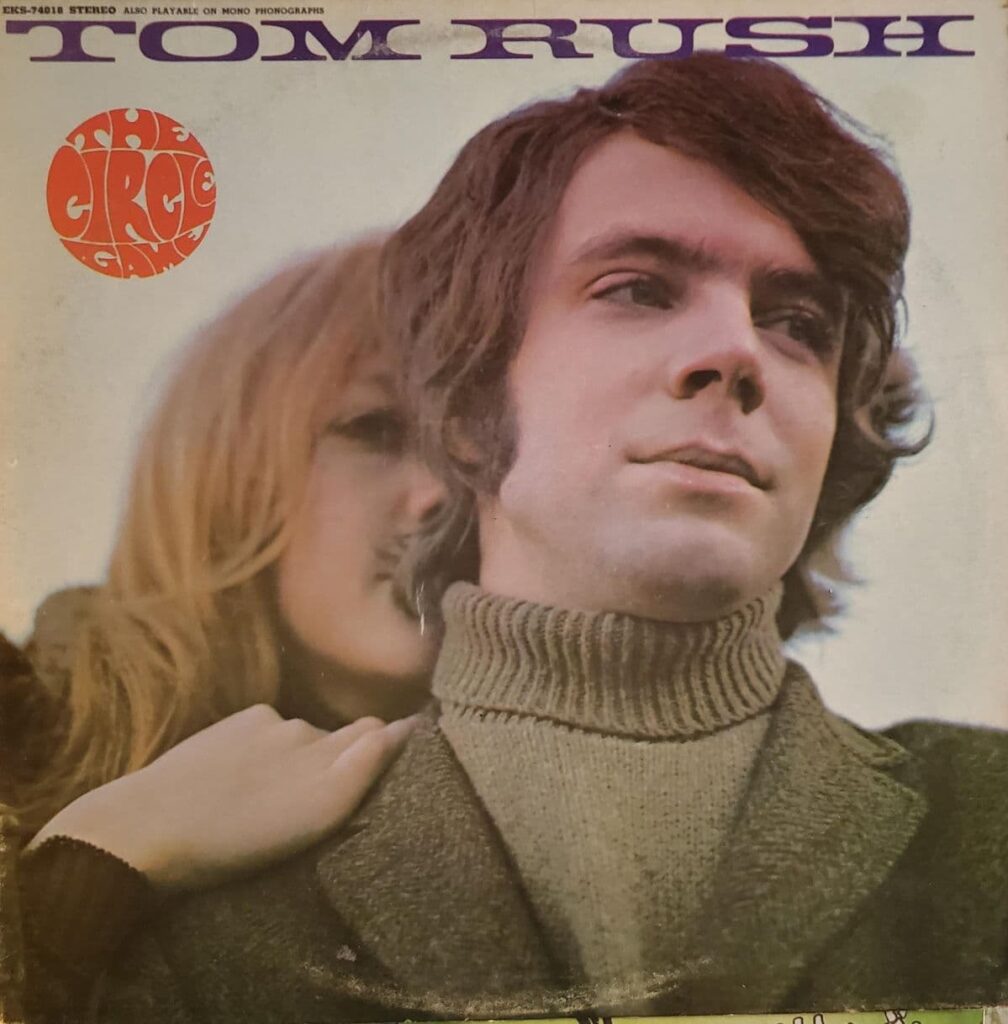
When we look back at the folk revival of the 1960s, few songs carry the atmospheric weight of No Regrets. Written and performed by Tom Rush, the track served as the centerpiece of his seminal 1968 album, The Circle Game. While many associate the era with loud protests and psychedelic experimentation, No Regrets stood as a testament to the power of a quiet acoustic guitar and a weary, honest voice.
Upon its debut, the song did not instantly shatter the Billboard Hot 100—it was a “slow burn” that found its home in the hearts of listeners rather than on commercial radio playlists. However, its influence was undeniable. It reached the lower rungs of the charts but achieved its greatest commercial heights through subsequent covers. Notably, The Walker Brothers took a lush, orchestral version to No. 7 on the UK Singles Chart in 1975, and Midge Ure later found success with it in 1982. Yet, for the purist, it is Tom Rush’s original version that remains the definitive vessel for the song’s soul.
The Story Behind the Strings
The story of No Regrets is rooted in the transition of Tom Rush from a blues-influenced interpreter of traditional songs to a pioneering singer-songwriter. In the late 60s, the world was changing rapidly, and the folk scene in New England was the crucible for a new kind of emotional transparency.
Rush wrote the song following the dissolution of a relationship, but unlike the bitter “kiss-off” tracks common in pop music, he chose a path of profound maturity. The “story” isn’t one of scandal or betrayal; it is the story of two people who simply “ran out of road.” There is an academic precision to his songwriting here—the way he captures the specific stillness of a room once the shouting has stopped and only the memories remain. It was this track that signaled to the world that Tom Rush was not just a performer, but a poet of the human condition.
A Deep Dive into Meaning: The Philosophy of No Regrets
For those of us who have lived through the decades, the lyrics of No Regrets resonate with a specific, bittersweet frequency. The opening lines—“No regrets, no tears goodbye / Don’t want you back, we’d only cry again”—are not an expression of coldness. Rather, they represent the wisdom that comes with time: the understanding that some things are broken beyond repair, and that trying to fix them only causes more pain.
The song explores the concept of emotional closure. It acknowledges the beauty of what was (“The world was newborn then“) while firmly accepting the reality of the present. There is a haunting imagery in the “faded photographs” and the “old love letters” mentioned in the verses; these are the artifacts of a life lived, and Rush treats them with a reverence that borders on the sacred.
The brilliance of the composition lies in its gentle resignation. It captures that specific moment in adulthood when you realize that saying “I loved you” is more important than saying “I need you.” It is a song for the quiet hours of the evening, for when the house is still and one reflects on the people who shaped us, even if they are no longer by our side. It teaches us that leaving is not always a defeat; sometimes, it is the most honest act of love one can perform.
Legacy and Final Thoughts
No Regrets remains a cornerstone of the folk-rock genre because it refuses to be sentimental. It is lean, honest, and profoundly moving. As we listen to the steady fingerpicking and the resonance of Tom Rush’s baritone, we aren’t just hearing a song from 1968; we are hearing the echoes of our own past experiences, reminding us that while the seasons change and people depart, the dignity of having loved remains forever intact.