
Bang-Shang-A-Lang — a burst of youthful joy, where innocence danced freely and pop music smiled without apology
There are songs that arrive not to explain life, but to celebrate it — songs that sparkle, laugh, and move with the carefree rhythm of youth. “Bang-Shang-A-Lang” by The Archies is one of those rare recordings: bright, playful, and unapologetically joyful. Released in 1968, at a moment when the world itself felt like it was balancing between innocence and upheaval, the song offered something simple and precious — a few minutes of pure, untroubled happiness.
“Bang-Shang-A-Lang” was released as a single and became a major hit, reaching No. 22 on the Billboard Hot 100 in the United States and climbing even higher internationally, notably reaching No. 5 on the UK Singles Chart. At a time when rock music was becoming heavier, more political, and more introspective, this song stood apart. It did not protest, philosophize, or question. Instead, it smiled — and invited listeners to smile back.
Behind the cheerful sound was a fascinating story. The Archies were a fictional band born from a Saturday-morning animated television series, inspired by the Archie Comics. Yet the music was very real, created by top-tier studio musicians and producers. The song was written by Jeff Barry, a seasoned hitmaker whose fingerprints were already on countless pop classics of the 1960s. His talent for capturing youthful energy in melody and rhythm shines clearly in “Bang-Shang-A-Lang.”
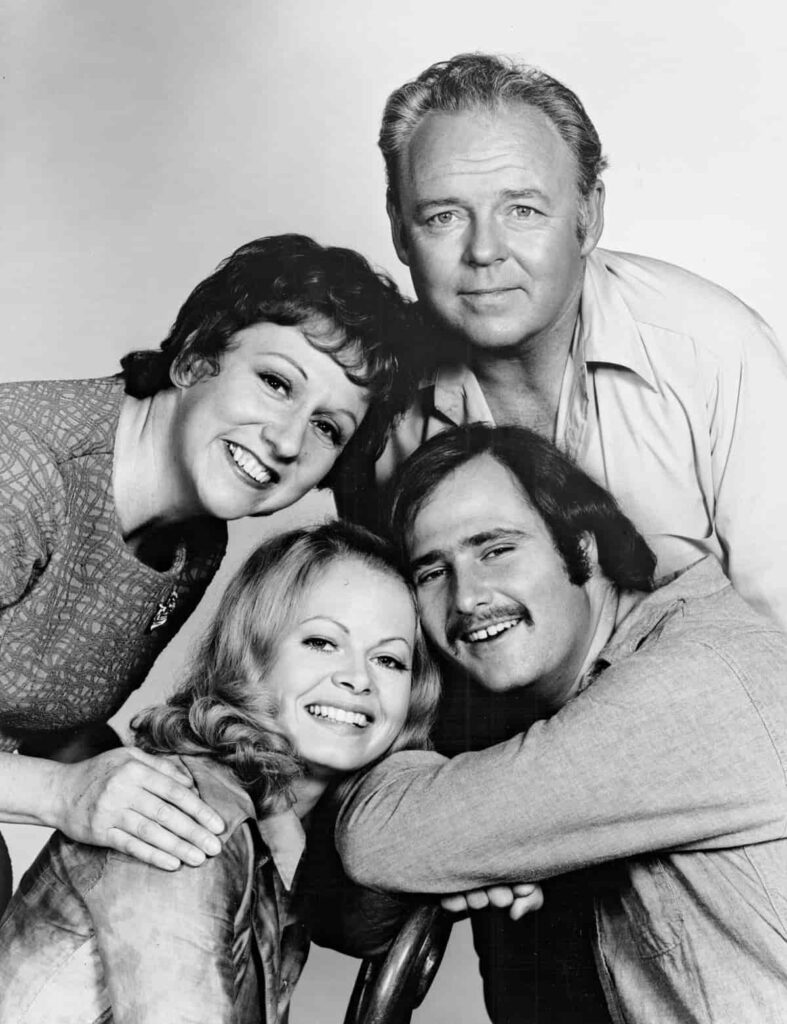
The vocals were led by Ron Dante, whose voice became the defining sound of The Archies. Light, clear, and endlessly upbeat, his singing gave the song its sense of wide-eyed excitement — as if every word were being discovered for the first time. There is no irony here, no self-consciousness. The joy is sincere, almost innocent, and that sincerity is exactly why the song still resonates decades later.
Lyrically, “Bang-Shang-A-Lang” doesn’t tell a complex story. It doesn’t need to. The repeated phrase itself feels like a heartbeat of happiness — playful syllables that echo the sounds of laughter, dancing, and young love. It captures the feeling of a crush so sweet and uncomplicated that words aren’t even necessary. Emotion becomes rhythm. Feeling becomes sound.
For listeners who remember that era, the song often brings back images of transistor radios, summer afternoons, and a time when pop music felt light on its feet. It recalls school dances, early romances, and moments when the future felt open and full of promise. Even for those who encountered it later in life, the song carries a kind of musical sunshine — a reminder of how joy once sounded when it was unburdened by experience.
What makes “Bang-Shang-A-Lang” particularly meaningful in hindsight is how it preserved a fleeting cultural moment. The late 1960s were marked by enormous change, tension, and uncertainty. Yet songs like this existed alongside those heavier realities, offering balance. They reminded listeners that laughter, melody, and simple affection still had a place in the world.
Unlike many novelty-adjacent pop songs, “Bang-Shang-A-Lang” has aged gracefully because it never pretended to be anything other than what it was: a celebration of youth, rhythm, and uncomplicated pleasure. It doesn’t ask to be analyzed; it asks to be felt. And perhaps that is its quiet brilliance.
Today, hearing The Archies sing “Bang-Shang-A-Lang” feels like opening an old photo album. The colors may have softened, but the smiles remain unmistakable. The song reminds us of who we once were — or who we once wished to be — dancing without self-doubt, singing along without restraint, and believing, even briefly, that happiness could be as simple as a melody and a made-up word.