
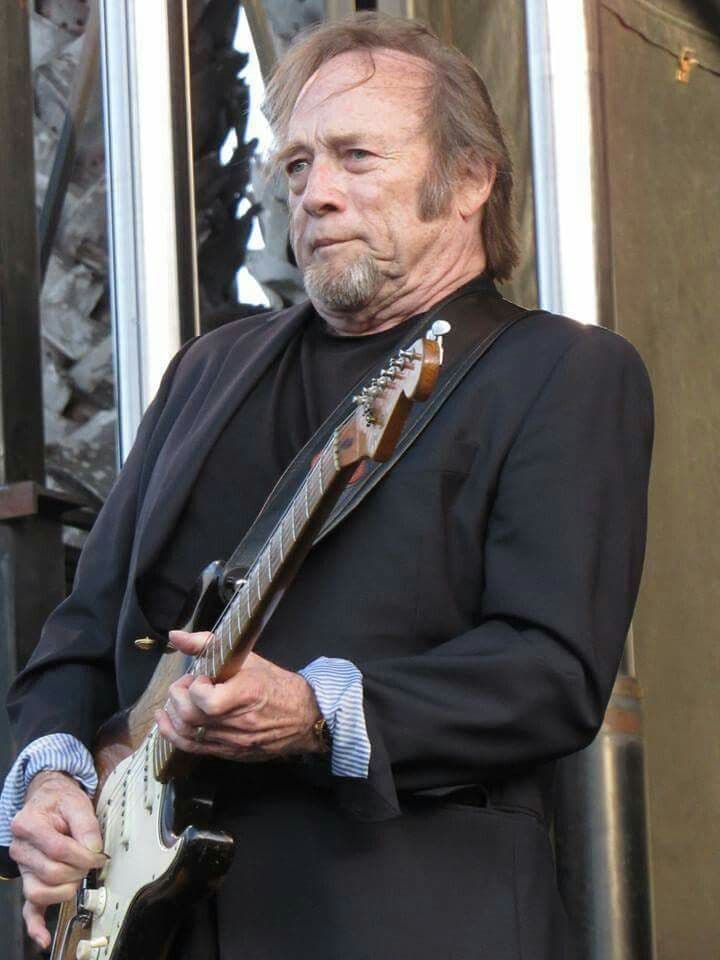
Love the One You’re With — a restless anthem about longing, temptation, and the uneasy truth of the heart
When Stephen Stills released “Love the One You’re With” in late 1970, it sounded deceptively simple — a breezy melody, an infectious chorus, a sing-along groove that invited smiles and movement. Yet beneath that sunlit surface lay something far more complicated: a song about emotional restlessness, unfinished love, and the human habit of reaching for comfort when the heart cannot have what it truly wants.
Important facts first:
“Love the One You’re With” was issued as a single from Stephen Stills’ self-titled debut solo album Stephen Stills in 1970. The song became his biggest solo hit, reaching No. 14 on the Billboard Hot 100, and earning strong airplay across North America and beyond. Though it never climbed to the very top of the charts, it quickly embedded itself into the cultural memory of the early 1970s — not as a protest song, nor as a love ballad, but as something more ambiguous and quietly unsettling.
The story behind the song is inseparable from the emotional landscape Stills was navigating at the time. Fresh from the dissolution of Crosby, Stills, Nash & Young’s first incarnation, Stills found himself creatively liberated but emotionally adrift. Relationships were strained, friendships fractured, and love often felt just out of reach. In that space, “Love the One You’re With” emerged not as advice, but as a confession.
The opening lines say it all:
“If you’re down and confused
And you don’t remember who you’re talking to…”
This is not the voice of someone offering wisdom from a place of certainty. It is the voice of a man caught between desire and reality, between who he loves and who is actually there. The song does not celebrate settling — it exposes it. The famous refrain, “Love the one you’re with,” has often been misunderstood as a cheerful slogan, when in truth it carries a trace of resignation, even sadness. It is the sound of someone trying to make peace with absence.
Musically, the song reflects this emotional tension. The rhythm is upbeat, almost joyful, driven by layered harmonies and a communal feel that hints at gospel and folk traditions. Yet Stills’ voice — urgent, slightly strained — suggests an inner conflict. The contrast between sound and meaning is precisely what gives the song its lasting power. It feels good to sing, even as it makes you uncomfortable to think about.
For listeners who lived through the era, “Love the One You’re With” often evokes a particular time — when love felt freer, but also more fragile; when ideals collided with reality; when people tried to live honestly, even if honesty hurt. The song doesn’t judge. It doesn’t resolve. It simply sits with the truth that sometimes the heart must compromise, even while it aches.
Over the decades, the song has been covered countless times, quoted endlessly, and occasionally softened into something more sentimental than it truly is. But at its core, it remains a deeply human piece of writing. It acknowledges temptation, loneliness, and the quiet bargains we make with ourselves to survive emotionally.
In the wider arc of Stephen Stills’ career, this song stands as a defining moment — proof that he could step out from the shadow of legendary groups and speak plainly in his own voice. Not heroic, not righteous, but real. It is the sound of adulthood arriving unannounced, carrying with it ambiguity instead of answers.
Listening now, years removed from its release, “Love the One You’re With” feels less like a hit single and more like a mirror. It reflects moments we rarely speak aloud: the times when love is incomplete, when longing lingers, and when we reach for warmth simply because it is there.
And perhaps that is why the song endures. Not because it tells us what we should do — but because it understands what we sometimes do, quietly, when the night grows long and the heart still remembers someone else.