
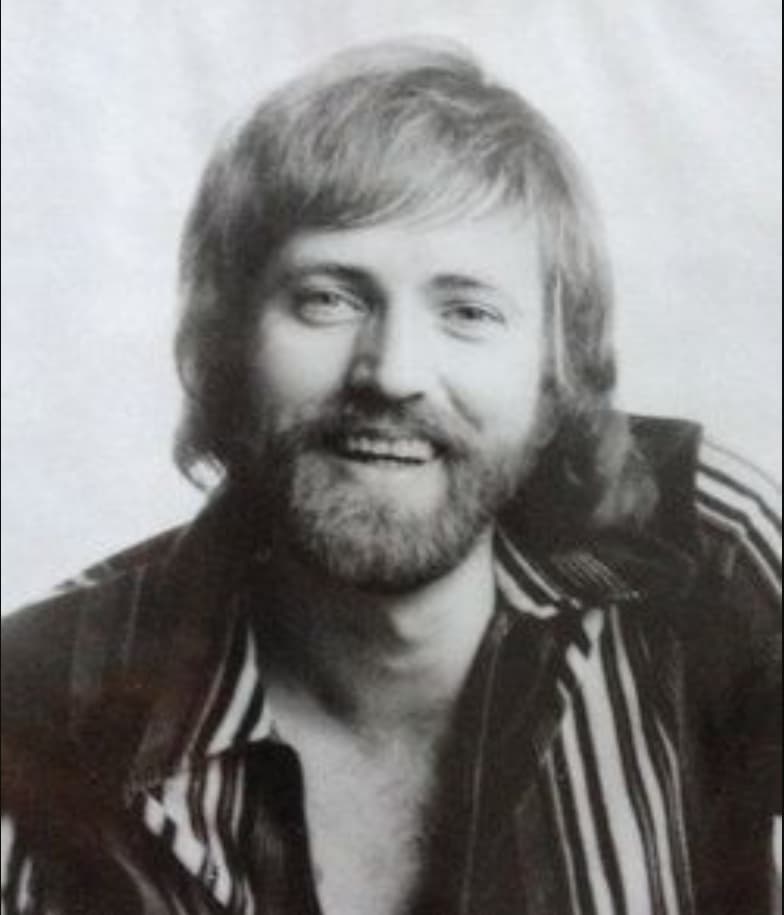
Chevy Van — a fleeting ride through youth, freedom, and the innocence we didn’t know was temporary
There are songs that capture a moment, and there are songs that become a moment. “Chevy Van” by Sammy Johns belongs firmly to the second kind. Released in 1975 on his self-titled album Sammy Johns, the song climbed unexpectedly into the American mainstream, reaching No. 5 on the Billboard Hot 100. Yet its lasting power has little to do with chart numbers. Instead, it endures as a quiet snapshot of a particular time in American life — when the open road promised possibility, when chance encounters felt meaningful, and when youth moved forward without asking where it might end.
At first glance, “Chevy Van” seems disarmingly simple. A man, a woman, a summer night, and a van parked somewhere just off the highway. But simplicity can be deceptive. Beneath the soft acoustic strumming and Johns’ plainspoken delivery lies a story that stirred strong reactions upon release. Some radio stations hesitated, others banned it outright, uneasy with its frank suggestion of intimacy. Yet listeners understood something deeper: this was not a song about excess, but about a moment of connection that exists briefly — and then is gone.
Sammy Johns himself was not a polished pop star when the song emerged. He was a singer-songwriter rooted in folk and country traditions, shaped more by storytelling than spectacle. “Chevy Van” reflected that background. His voice is unadorned, almost conversational, as if he is recalling something personal rather than performing for an audience. That tone gave the song its power. It didn’t preach, judge, or romanticize beyond recognition. It simply remembered.
The story unfolds like a memory told years later. Two strangers meet, share laughter, share closeness, and by morning, part ways. There is no promise of reunion, no dramatic goodbye. Just the quiet understanding that what they shared belonged only to that night. In this way, “Chevy Van” speaks less about romance and more about time itself — how moments arrive unannounced and leave before we are ready.
What made the song resonate so strongly in the mid-1970s was its honesty. America was changing. The optimism of the late 1960s had faded, replaced by reflection and restraint. “Chevy Van” fit perfectly into that emotional landscape. It wasn’t rebellious. It wasn’t sentimental in a sugary way. It was reflective — a song that looked at freedom not as something loud and reckless, but as something quiet and fleeting.
Musically, the track mirrors its message. The arrangement is sparse, led by acoustic guitar and gentle rhythm, allowing the lyrics to breathe. There are no grand crescendos, no dramatic flourishes. The restraint feels intentional, as if Johns understood that too much polish would betray the story’s intimacy. The listener is left alone with the voice and the memory.
Over time, “Chevy Van” has taken on a different meaning for those who hear it later in life. What once sounded like a casual encounter now feels like a meditation on impermanence. The van becomes a symbol — not just of mobility, but of a place where time paused briefly. A shelter on wheels, carrying two people through a night they would never quite reclaim.
Sammy Johns never repeated this level of commercial success, but perhaps that makes “Chevy Van” even more fitting. It stands alone, much like the moment it describes. One song, one ride, one memory — preserved in melody.
Today, listening to “Chevy Van” feels like opening an old photograph. The edges may be worn, the colors slightly faded, but the feeling remains unmistakable. It reminds us that some of the most meaningful chapters in life are not the ones we planned, but the ones that simply happened — and slipped quietly into memory, leaving us with nothing but the echo of the road and the warmth of what once was.