
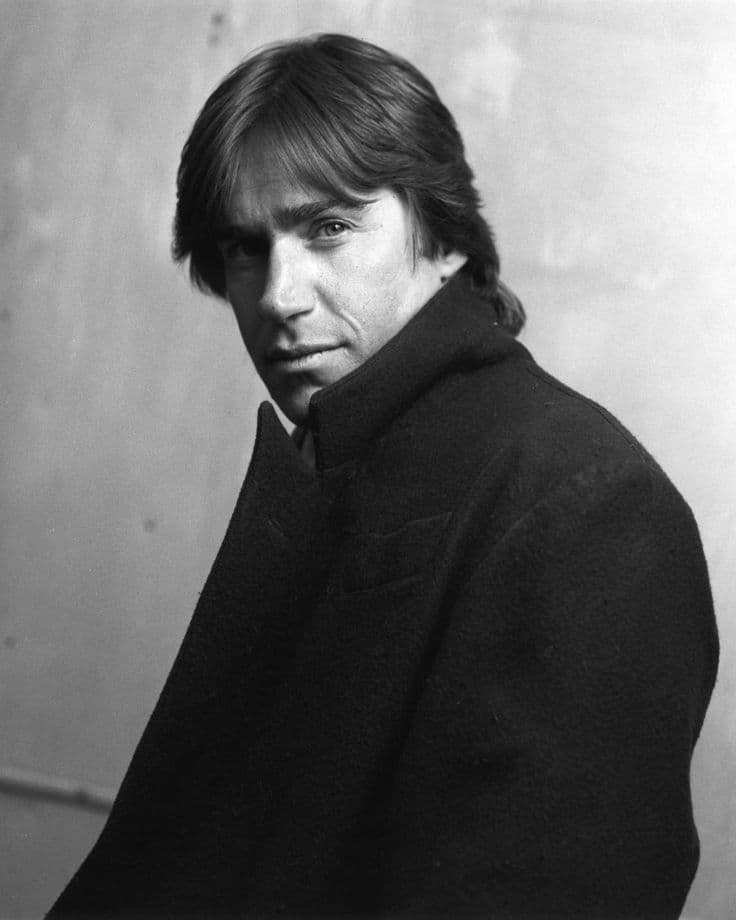
The Innocent Age — a tender meditation on youth, time, and the quiet wisdom earned by living
When Dan Fogelberg released The Innocent Age in 1981, it was immediately clear that this was not just another album, and the opening title track, “The Innocent Age,” set the emotional and philosophical tone from its very first notes. The album debuted strongly and went on to peak at No. 7 on the Billboard 200, eventually becoming a multi-platinum success. Yet the song “The Innocent Age” itself was never intended to chase radio charts. Instead, it stood as a doorway — an invitation into memory, reflection, and the slow, often painful passage from youth into adulthood.
By the early 1980s, Dan Fogelberg was already a respected songwriter, known for his melodic sensitivity and lyrical introspection. But with The Innocent Age, he took a deeper step inward. This double album was structured almost like a life story: one record looking back toward innocence and early dreams, the other confronting experience, loss, and the compromises that come with time. The title song belongs firmly to the first half — a gentle backward glance toward the years when life felt open, hopeful, and endlessly possible.
Listening to “The Innocent Age” feels like opening an old photo album. The arrangement is restrained, almost pastoral, allowing the words to carry their weight. Fogelberg sings not with nostalgia alone, but with awareness — the awareness that innocence cannot be recovered, only understood. He does not idealize youth blindly; instead, he treats it with tenderness and honesty, acknowledging both its beauty and its fragility.
What makes this song especially powerful is its autobiographical spirit. Fogelberg wrote it as part of a broader reflection on his own journey — from a young musician filled with ambition, through success, heartbreak, and the sobering clarity that comes with age. The lyrics speak of a time before disappointment hardened the heart, before ideals were tested by reality. Yet there is no bitterness here. Only gratitude, and a quiet mourning for something that shaped him and then slipped away.
For listeners who encountered this song later in life, its meaning unfolds slowly, sometimes painfully. Lines that may have once sounded poetic begin to feel personal. The song becomes less about Fogelberg’s youth and more about our own — the friendships that faded, the dreams that changed form, the moments when life gently asked us to let go of who we were becoming in order to survive who we needed to be.
Musically, “The Innocent Age” carries the hallmarks of Fogelberg’s finest work: warm acoustic textures, thoughtful pacing, and a voice that sounds like it’s confiding rather than performing. There is space in the song — space to remember, to breathe, to feel. It does not rush the listener. It trusts that memory will do its work.
Within the broader context of the album The Innocent Age, this song serves as an emotional compass. Later tracks confront adulthood more directly, with themes of regret, resilience, and acceptance. But the title song remains the emotional root — the place where everything begins. Without it, the album would lose its sense of origin, its understanding of what was at stake.
Over time, “The Innocent Age” has grown in stature, especially among those who return to it years after first hearing it. It becomes a companion rather than a performance — a song that understands the listener without judgment. It reminds us that innocence is not something to be ashamed of losing, nor something to chase again, but something to honor for having existed at all.
In the quiet echo of Fogelberg’s voice, we are reminded that time does not erase who we were — it carries us forward with those memories folded gently inside. And in that recognition, “The Innocent Age” offers not sadness, but peace.