
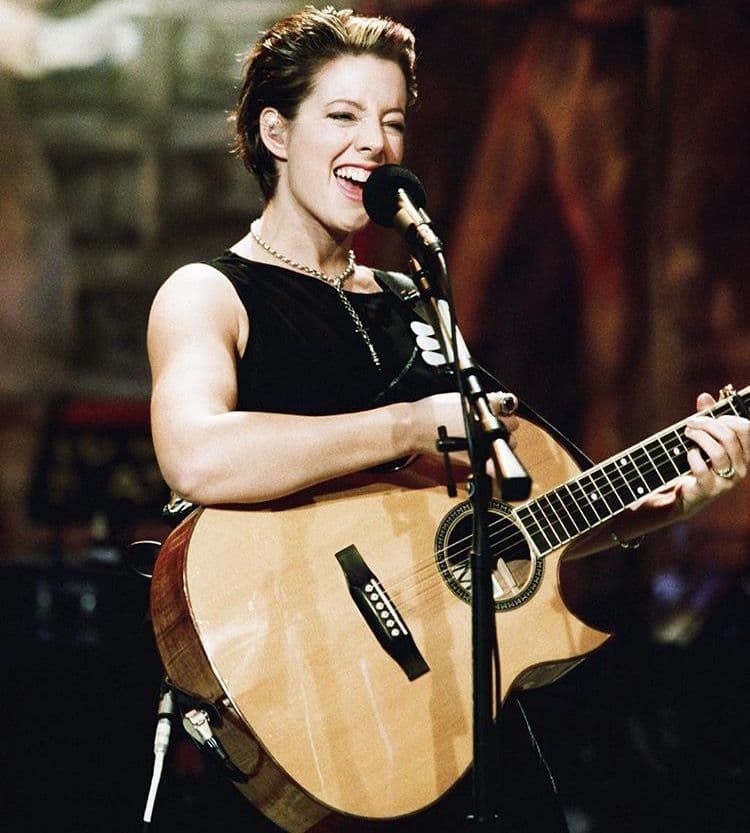
A haunting, piano-driven hymn offering solace and safe harbor from despair and addiction.
There are certain songs, few and far between, that manage to pierce the veil of everyday noise and speak directly to the soul’s deepest aches. Sarah McLachlan’s “Angel,” a cornerstone of her landmark 1997 album, Surfacing, is unequivocally one of them. For those of us who came of age with the heartfelt, confessional songwriting of the 1990s, this track remains a profoundly resonant touchstone—a beautiful, somber melody that became the unofficial anthem of mourning and comfort for a generation.
Released as the fourth and final single from Surfacing on September 28, 1998, “Angel” found its greatest commercial success in the United States. It soared to number four on the prestigious US Billboard Hot 100 chart in February 1999, proving its immense, slow-burning popularity. More impressively, it dominated the adult contemporary airwaves, spending a remarkable twelve weeks at number one on the Hot Adult Contemporary Tracks chart, ultimately finishing as the chart’s number-one song of the year. In McLachlan’s native Canada, it peaked at number seven on the RPM 100 Hit Tracks chart. These chart positions, while impressive, barely hint at the song’s true, everlasting cultural footprint.
The profound story behind “Angel” offers a crucial key to its enduring power. Sarah McLachlan penned the song after reading heartbreaking articles in Rolling Stone magazine detailing the tragedies of musicians turning to heroin to cope with the relentless, isolating pressures of the music industry. The catalyst was specifically the fatal overdose of Jonathan Melvoin, the touring keyboardist for the Smashing Pumpkins, in 1996. While she didn’t know Melvoin personally, McLachlan felt an intense empathy for the loneliness and emptiness that could lead someone down such a dark, self-destructive path. She once said the song was about trying to understand that feeling of being “lost, lonely and desperately searching for some kind of release.”
This story illuminates the song’s core meaning. Often mistakenly titled “In the Arms of an Angel,” the lyric offers a vision of finding peace—not just from addiction, but from any unbearable pain, fear, or self-judgment. The “angel” is less a biblical figure and more a metaphor for a peaceful surrender, a final, beautiful release from “this dark, cold hotel room / And the endlessness that you fear.” The song’s sparse, melancholic arrangement—featuring only McLachlan’s gentle piano, a quiet drum machine programmed by Pierre Marchand, and upright bass—enhances this feeling of intimacy and fragility, making it feel like a hushed moment of profound sorrow and transcendent acceptance.
Beyond its original intent, the song has transcended its origins, becoming a universal piece of music for coping with loss—both public and private. For many, it will forever conjure memories of those heartbreaking ASPCA commercials, an association that, while commercially successful, cemented its reputation as a soundscape for collective sorrow. The emotional depth and vulnerability of “Angel” ensure it remains a sanctuary, a quiet place to find comfort in the most difficult times, reminding us of the soft, tender embrace that waits when all the struggle is over.