
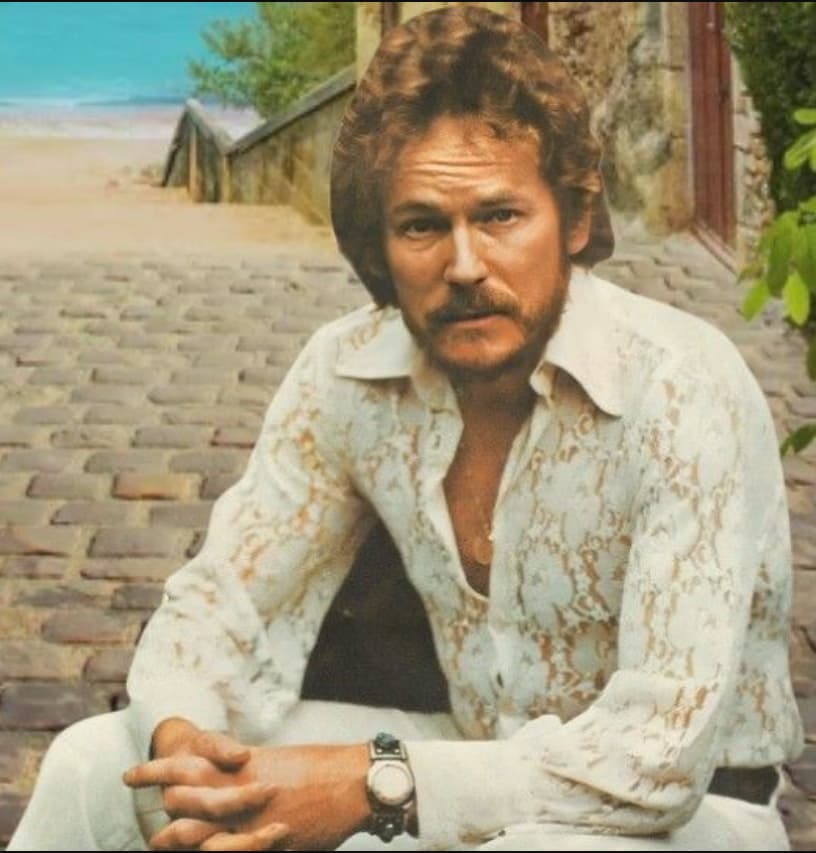
A reflective look at past loves and hard lessons, driven by a determination to seize the promise of a new day.
In the mid-1970s, the landscape of popular music was a swirling, eclectic mix—disco was rising, rock was evolving, and yet, the thoughtful, resonant voice of Canadian troubadour Gordon Lightfoot remained a steadfast anchor. His eleventh studio album, the magnificent Summertime Dream, released in 1976 on Reprise Records, is best remembered for the epic maritime masterpiece, “The Wreck of the Edmund Fitzgerald.” However, as any true fan will tell you, the album opened with a track that was no less insightful, though perhaps more intensely personal: the folk-rock gem “Race Among The Ruins.”
Released as a single in February 1977, following the immense, unexpected success of its predecessor, “Race Among The Ruins” carved out its own respectable, though more modest, niche on the charts. It peaked at Number 65 on the US Billboard Hot 100 chart, a testament to the enduring appeal of Lightfoot’s intimate storytelling even when his subject matter turned inward. More significantly for the seasoned audience, it reached Number 13 on the Adult Contemporary chart, a territory that perfectly encapsulated its mature, reflective tone.
The story behind the song, though never explicitly detailed by Lightfoot in the way his historical ballads were, is clearly a distillation of the turbulent emotional experiences that so often fuel a singer-songwriter’s best work. It arrived in the wake of significant personal upheaval for the artist, capturing a moment of profound introspection about past relationships, personal failings, and the relentless march of time. The very title suggests a frantic effort to salvage something meaningful from the wreckage of a life lived, a concept that immediately resonates with anyone looking back over a long, winding road of choices and consequences.
Its meaning is deeply layered, a poignant meditation on the fragility of human connection and the necessity of persistence. Lyrically, Lightfoot addresses a loved one, or perhaps a part of himself, with a blend of wistful sadness and determined optimism: “Away you will go sailin’ / In a Race Among The Ruins / If you plan to face tomorrow / Do it soon.” This is the core message—acknowledging that the past is “littered by the bones of other ones,” lives undone by “the magic moment,” but insisting that life’s essential promise remains. It’s an embrace of the bittersweet truth that even amid emotional debris—the “ruins”—there is still a race to be run, a future to be claimed.
For those of us who came of age listening to Lightfoot, the song is a powerful evocation of the 1970s’ reflective sensibility. It feels like an honest conversation late at night, the guitar rhythm a comforting, almost urgent pulse beneath his distinct baritone. The track’s production, featuring the crisp work of drummer Barry Keane and subtle keyboard flourishes, gave it a gentle rock underpinning that lifted it beyond a simple folk tune, propelling the urgency of the lyric. It speaks to the universal struggle of aging—the dawning realization that freedom is elusive, that coming clean is “an other state of mind,” not a destination. Yet, the song ultimately pivots on hope, urging the listener to take the “best of all that’s left,” to embrace the day and its potential, even when facing the inevitable truth that “this cannot last.” It is, in the end, a heartfelt, emotionally raw salute to resilience, urging us all to sail on, even when we feel like we are racing through the ruins of our own making.