
The Enduring Echo of Regret and Unwavering Devotion After a Love Lost
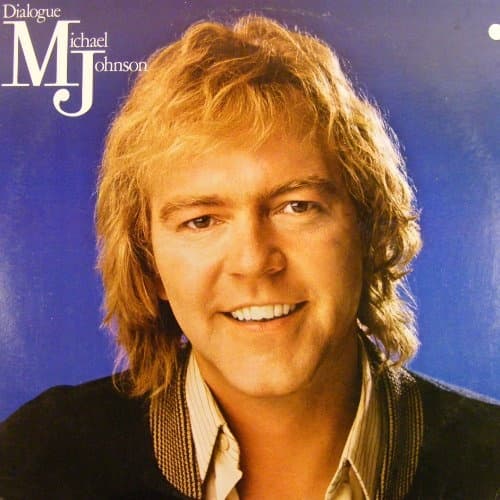
Ah, the gentle ache of memory, stirred by a melody from a simpler time. For those of us who came of age when soft rock ballads ruled the airwaves, the name Michael Johnson brings back a wash of quiet, reflective melancholy, perfectly embodied in his signature 1979 single, “I’ll Always Love You.” This song, a quintessential piece of late ’70s introspection, was released as the second single from his fifth album, Dialogue.
Despite its profound emotional resonance, the track ironically failed to chart on the Billboard Hot 100 in the United States, where Johnson was based. Yet, in a beautiful twist of fate—one that often defined the sprawling, unpredictable music landscape of that era—it found an enormous, unexpected home across the Pacific. “I’ll Always Love You” became a colossal hit in the Philippines, achieving the distinction of being Michael Johnson’s only gold record. This incredible success cemented its status as an enduring, beloved classic there, leading to numerous covers by prominent local artists over the decades. It’s a testament to the song’s universal feeling that it resonated so deeply in a place far removed from its origin, becoming a cherished standard for generations of listeners who found their own heartaches and hopes within its tender notes.
The emotional core of “I’ll Always Love You” is one of profound, lingering sorrow mixed with an acceptance of lasting commitment. Co-written by the talented duo Eric Kaz and Tom Snow, the song isn’t about a dramatic, angry breakup but a quiet, aching regret over a loss that was perhaps avoidable, or simply an unfortunate outcome of “love’s a mystery.” The singer stands by his window, a classic scene of cinematic yearning, “Listenin’ for your call,” and the simple, heartbreaking realization follows: “Seems I really miss you after all.”
The lyrics paint a picture of enduring devotion that transcends the end of the relationship. It’s the kind of love many older readers can relate to—a bond that becomes a part of your very being, an internal promise that doesn’t simply vanish because two people part ways. The narrator wishes he “never let you go,” acknowledging his part in the separation, yet the chorus offers no demand for return, only a timeless pledge: “And I’ll always love you deep inside this heart of mine, I do / Love you and I’ll always need you / And if you ever change your mind, I’ll still, I will love you.”
The gentle acoustic guitar work, characteristic of Michael Johnson’s style, and the soft orchestration serve as the perfect backdrop for his warm, earnest vocal delivery. He wasn’t a singer known for flashy range, but for his emotional directness and the comforting, familiar texture of his voice. That soft-rock sensibility, often maligned by contemporary critics, is exactly what made songs like this resonate so powerfully with the people living those very experiences. They offered solace and recognition, giving words and melody to the feelings you couldn’t quite articulate yourself as you looked back on your own “lost loves” and moments of regret. The bridge, which speaks of “Time like a river keeps on rolling right on by,” evokes a sense of both the relentless passage of life and the unchangeable, enduring nature of his internal love, watching the river rise from afar, powerless but faithful. It reminds us that sometimes, the greatest act of love is simply to keep loving, even if it’s only in the quiet sanctuary of your own heart.