
The Dangerous Siren: A Cautionary Tale of Urban Greed and the Ultimate Predator
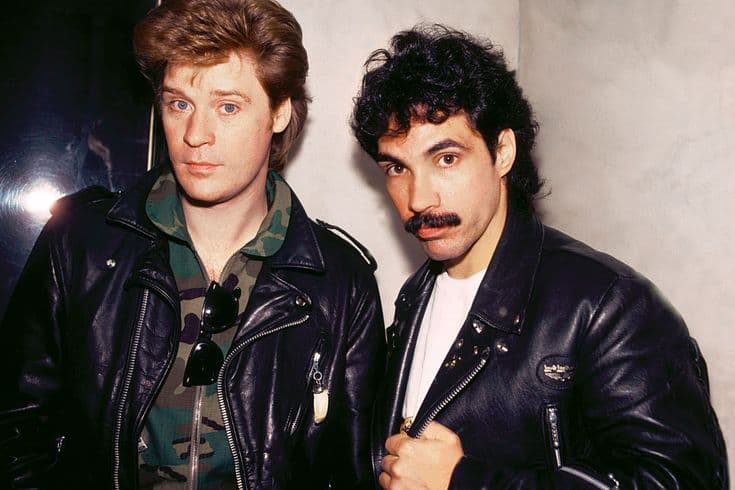
There are certain songs that, the moment the opening bass line drops, instantly transport us back to the vivid colors and pulsing energy of the 1980s. “Maneater” by Hall & Oates is one of those undeniable tracks—a song that didn’t just top the charts; it defined an era, fusing blue-eyed soul with New Wave synth-pop into something fiercely commercial and surprisingly dark.
Released on September 28, 1982, as the lead single from their platinum-selling eleventh studio album, H2O, “Maneater” was an absolute juggernaut. It rocketed up the Billboard Hot 100, seizing the Number 1 spot on December 18, 1982, and stubbornly held that position for a remarkable four consecutive weeks. This was their biggest chart success in terms of longevity at the top, eclipsing even hits like “Kiss on My List” and “Private Eyes.” Internationally, the track proved equally potent, reaching Number 6 on the prestigious UK Singles Chart and landing in the Top 10 across Canada, Australia, and much of Europe. The single’s success wasn’t just a win for Daryl Hall & John Oates; it solidified their legacy as the most successful duo in rock history, an astonishing feat for two guys who started out blending folk and Philly soul.
The story behind “Maneater” is a fascinating case of musical evolution and thematic misdirection. Most listeners, then and now, immediately understood the song to be a warning about a seductive, destructive woman—the titular predator who uses men up and leaves them devastated. The famous chorus—*“Oh oh here she comes / Watch out boy she’ll chew you up”—*certainly reinforces this romantic interpretation.
However, as John Oates and Daryl Hall have often recounted, the original inspiration was far less personal and much more a piece of social commentary. Oates initially conceived the song as a reggae track about a teenage girl, but it was Hall who transformed it in the studio. According to the writers, the song’s true meaning is an allegory about New York City and the rampant greed, avarice, and materialism that characterized the early 1980s. The “Maneater” wasn’t a specific woman but a personification of the city’s ravenous, consuming nature—how the pursuit of wealth and power could devour the innocence of anyone who chased it.
Hall’s haunting, dramatic vocal performance, layered over that famous, propulsive bass line and the piercing saxophone riff, lent a sophistication to the track that elevated it beyond mere pop fluff. For those of us who remember those days, the song evokes the tension of the era: the glamour and the danger, the sleek suits and the lurking cynicism. It’s a perfect sonic snapshot of a time when the veneer of slick production often masked a deeper, more cynical message. “Maneater” is a potent reminder that even the catchiest pop songs of our past often had surprising wisdom buried just beneath the surface, waiting for a reflective ear to hear the warning. It stands as a pinnacle of the blue-eyed soul sound, demonstrating how Hall and Oates flawlessly mastered the transition from sensitive songwriters of the 70s to synth-pop titans of the 80s, all while delivering a timeless lesson: watch out for the things that look too good to be true.