
Whispers of the Coast: The Unlikely Serenity of a Teen Idol’s Dream
The ethereal, sun-drenched euphoria of young love, framed by the unmistakable, melodic touch of a pop genius.
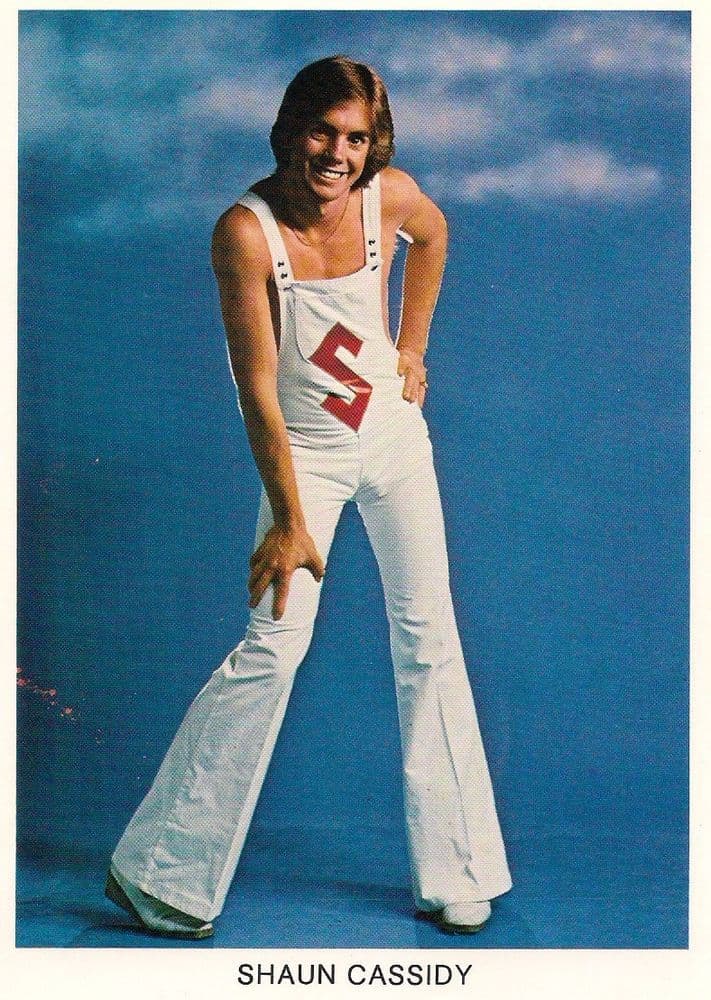
For a certain generation, the late 1970s marked a fascinating, often confusing, crossroads in popular music. Disco reigned, punk was spitting fire, and in the quiet corners of AM radio, the last vestiges of teen idol pop were fighting to transition into something more durable. No figure embodied this struggle more visibly than Shaun Cassidy. After the blinding flash of his first two albums, which delivered the kind of dizzying, carefree hits that defined the decade’s youth culture, his third studio album, Under Wraps, released in July 1978, presented a subtle, yet undeniable, shift.
It is on this album that we find the lovely, shimmering track, “It’s Like Heaven.” This song is not remembered for a massive chart position—it did not impact the Billboard Hot 100 as a single—but its true importance lies in the extraordinary collaboration that birthed it. The album itself, Under Wraps, was an early indicator that the initial pop frenzy around Cassidy was cooling, peaking only at Number 33 on the US Billboard charts and failing to generate any major, lasting hits. The lead single, “Our Night,” only managed to reach a modest #80.
What makes “It’s Like Heaven” a song worth revisiting, particularly for those with fond memories of the era, is its pedigree: it was co-written by none other than Brian Wilson, the founding melodic architect of The Beach Boys, alongside Rocky Pamplin and Diane Rovell. The mere presence of Wilson’s name on a Shaun Cassidy track is a beautiful, almost whimsical collision of two very different pop worlds—the lush, harmonic complexity of the California sound meeting the polished, smooth delivery of a contemporary teen star.
Listening to “It’s Like Heaven” now is like opening a time capsule filled with soft-focus nostalgia. The song’s meaning is straightforward, a dreamy, blissful comparison of the feeling of being in love to an idealized emotional state. The soft-rock arrangement, complete with its soaring melody and smooth, slightly melancholic backing vocals, carries the unmistakable, ethereal atmosphere that often defines Brian Wilson’s compositions. It feels like a beautiful afternoon drive along the coast—smooth, reflective, and utterly romantic.
For Shaun Cassidy, recording a song with such a connection demonstrated an evolving maturity, a quiet ambition to move beyond the flash of the pop magazine covers and align himself with enduring musical genius. It gave his voice, which was always earnest and pleasant, a melodic canvas worthy of its potential. While it may not have achieved the commercial immortality of “Da Doo Ron Ron,” “It’s Like Heaven” remains a gentle, atmospheric gem—a hidden track that whispers of a pop star’s sincere, albeit unsuccessful, attempt to grow up gracefully in the blinding glare of the late-70s spotlight. It is a quiet moment of genuine, melodic bliss tucked away on an album that marked the beginning of the end for his first chapter as a pop idol.