
When Teen Idols Grow Up: The Bittersweet Farewell of a Pop Star
The poignant resignation of a lost love, acknowledging the end without bitterness.
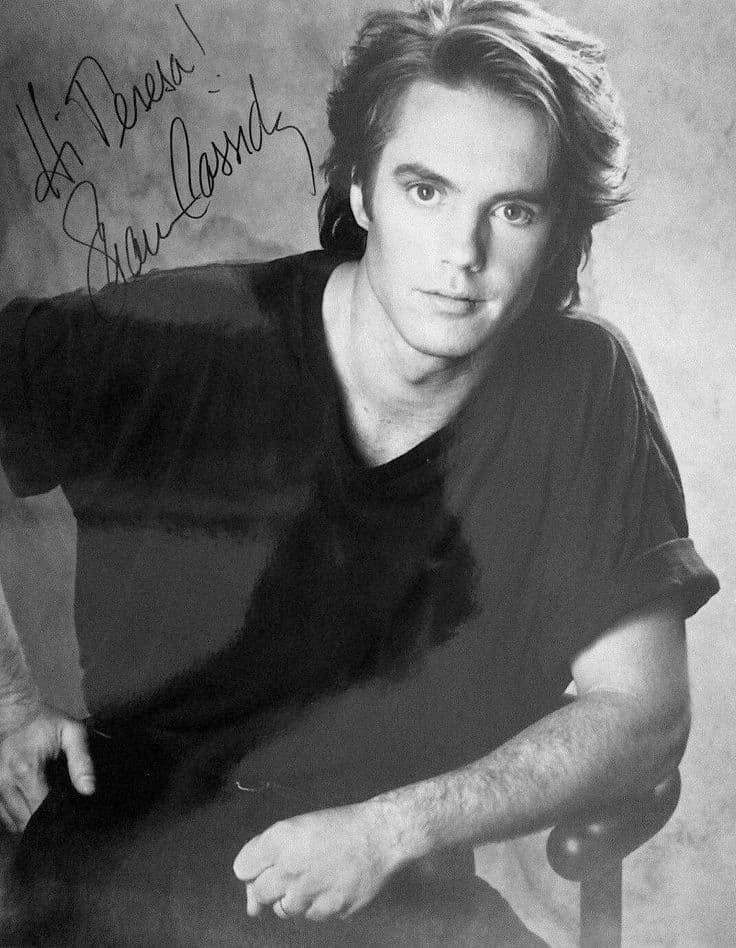
It’s a strange thing, isn’t it, to watch the bright, frantic light of a teen idol’s fame begin to dim? For those of us who came of age in the 1970s, Shaun Cassidy—the younger, impossibly handsome brother of David—was a quintessential part of the pop landscape. Remember the lunchboxes, the posters, and the sheer frenzy that greeted his smile? It was a phenomenon built on sun-drenched tunes and youthful charm. But the older we get, the more we realize that every era must change, and every pop prince eventually seeks to shed his crown for something more substantial.
This search for artistic maturity is precisely what makes Shaun Cassidy’s 1980 album, Wasp, such a fascinating, if commercially ill-fated, chapter in his career. The album itself, a bold departure into the New Wave sounds of the time, marked an intentional and definitive break from his ‘bubblegum’ image. While Shaun Cassidy’s earlier self-titled debut in 1977 had rocketed him to international stardom and yielded chart-topping singles like “Da Doo Ron Ron” and “That’s Rock ‘n’ Roll,” by the time Wasp arrived, his AM radio appeal had faded. His previous album, Room Service (1979), had failed to chart on the US Billboard 200 at all, signaling the end of his initial pop reign.
This is the context for his cover of “So Sad About Us,” a song originally penned by Pete Townshend for The Who and released on their 1966 album, A Quick One. The Who’s original is a powerful, mod-era garage-rock gem, but Cassidy’s rendition, produced by the masterful Todd Rundgren and featuring the progressive rock band Utopia as his backing musicians, transmutes the raw energy into a slicker, power-pop sound that resonates with a different kind of melancholy.
Unlike his mega-hits, Shaun Cassidy’s “So Sad About Us” was not a chart success, nor was the Wasp album itself. It was a critical, and often painful, pivot. The lack of a major chart position underscores the challenge he faced: how to transition from a fleeting teen fantasy to a respected, enduring musician. Yet, in this rendition of “So Sad About Us,” we hear an unexpected depth. The lyrics, “Apologies mean nothing, When the damage is done, But you can’t switch off my lovin’, Like you can’t switch off the sun,” speak to a bittersweet, mature acceptance of a necessary breakup—a genuine pain devoid of teenage melodrama.
The song’s meaning is universal, of course, a recognition that a relationship can end not from anger or fault, but simply because it can’t last, despite the lingering love. For Cassidy, however, performing this track felt like an artistic mission statement—a power-pop promise that he was capable of tackling sophisticated, Townshend-penned material and was done with the superficial gloss of his earlier work. It’s a bittersweet farewell not just to a lover in the song, but perhaps to the screaming throngs of his past, a quiet, almost defiant claim to his own musical ground. Listening to it now, it’s a nostalgic echo of a time when a former teen idol tried to reinvent himself, a moment of brave, if heartbreaking, transition.