
An era-defining pop gem that almost won the UK their Eurovision crown.
The song “Beg, Steal or Borrow” by The New Seekers is a quintessential piece of early 1970s British pop. Coming off the heels of their massive international hit “I’d Like to Teach the World to Sing (In Perfect Harmony)” (the famous song adapted from a Coca-Cola jingle), this track solidified the group’s status as masters of bright, uplifting, and harmonically rich music.
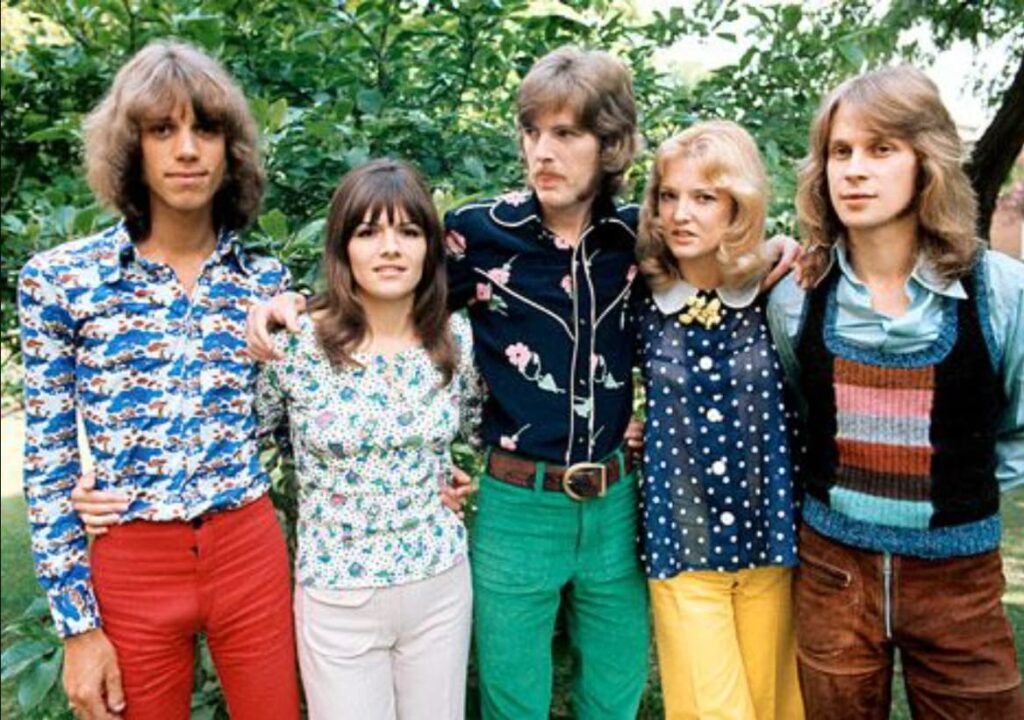
The song’s primary claim to fame is its role as the United Kingdom’s entry in the Eurovision Song Contest 1972, held in Edinburgh. Composed by Tony Cole, Steve Wolfe, and Graeme Hall, the track was chosen by British viewers during a televised selection process. At the Eurovision final, The New Seekers delivered a performance that was polished, energetic, and perfectly showcased the group’s signature five-part harmonies (featuring members Eve Graham, Lyn Paul, Marty Kristian, Peter Doyle, and Paul Layton). The audience’s response on the night was one of the warmest.
Ultimately, “Beg, Steal or Borrow” finished in a highly respectable second place with 114 points, just behind Vicky Leandros’ winning entry for Luxembourg, “Après toi.” Despite missing the top spot at the contest, the song was a huge commercial success. It peaked at Number 2 on the UK Singles Chart and charted well across Europe, becoming one of the biggest-selling singles of the year in the UK.
The song is a declaration of unwavering commitment and enduring love, delivered with a hopeful, almost buoyant melody. The lyrics express the singer’s deep desire to reunite with a former lover, promising to go to any lengths—to literally “beg, steal or borrow”—to “bring you love” and make the relationship work:
You know I’ll beg, steal or borrow To give you sunny days And in a hundred ways I’ll bring you love
For those of us who remember the era, the song perfectly captures the innocence and optimistic spirit of the early 70s. It’s a beautifully crafted piece of pop that relies on strong songwriting and flawless vocal delivery rather than heavy production. It remains a beloved UK Eurovision entry, frequently recalled as one of the country’s best performances in the contest’s history and a testament to the enduring power of a simple, honest love song.