
A Cultural Anthem That Defined an Era of Country Music
In 1981, country music was at a crossroads. The genre was booming, propelled into the mainstream by the crossover success of artists like Kenny Rogers and the unexpected, cowboy-booted cultural phenomenon of the movie Urban Cowboy. Amid this sudden rush of “new” fans and sounds, one song stepped forward to assert the enduring, authentic soul of the genre: “I Was Country When Country Wasn’t Cool.”
Released in April 1981, this single became the signature song for the multi-talented Barbara Mandrell. It was the lead track from her 1981 album, Barbara Mandrell Live (though the single version was a studio recording with added applause). The song’s message—a proud defiance against the idea of country music as a passing trend—resonated deeply with long-time fans and artists alike. Written by the powerhouse team of Kye Fleming and Dennis Morgan, the lyrics were directly inspired by Mandrell’s own childhood experiences of being teased for her musical preferences, embodying a spirit of loyalty to her roots.
The song is a powerful statement of cultural identity, delivered with Mandrell’s confident, vibrant energy. Its central theme is a celebration of authenticity and staying true to one’s values, even when those values are considered unpopular or “uncool.” The line “I was country when country wasn’t cool / I was country from my hat down to my boots” became an instant rallying cry.
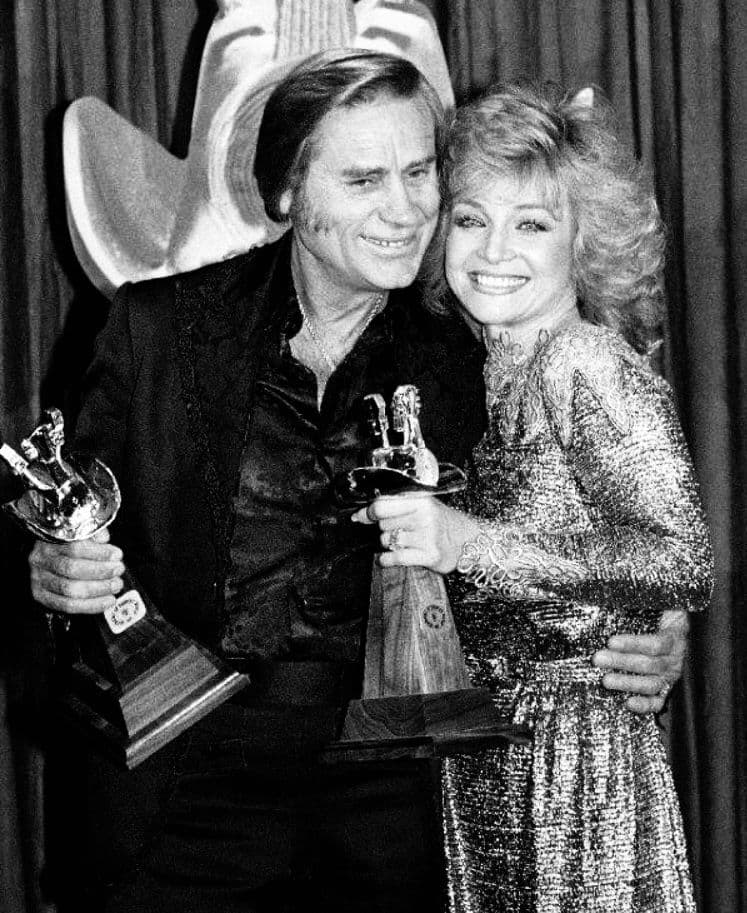
What truly cemented the song’s legendary status, however, was the uncredited, but unmistakable, appearance of George Jones. When the “Possum,” one of the genre’s most revered traditionalists, delivered his soulful ad-lib near the end—with his signature ache affirming the song’s core message—it was a symbolic passing of the torch and a joint declaration of traditional values. This collaboration was a masterful stroke of musical politics, effectively bridging the gap between country’s rich past and its contemporary, polished sound.
Commercially, the song was a monumental success. It quickly climbed the charts, becoming Mandrell’s third Number 1 hit on the U.S. Billboard Hot Country Singles chart in July 1981. It was also nominated for Single of the Year by both the CMA and ACM Awards organizations, and its success is often credited with helping Barbara Mandrell secure the prestigious CMA Entertainer of the Year award in 1981.
For the older listener, “I Was Country When Country Wasn’t Cool” is more than a catchy tune; it’s a time capsule. It captures the moment the genre wrestled with its newfound popularity, proudly proclaiming that while the mainstream may come and go, the essence of country music—its themes of loyalty, hard work, and tradition—would always endure. It remains a timeless anthem for anyone who has ever stuck with what they love, regardless of the trends.