
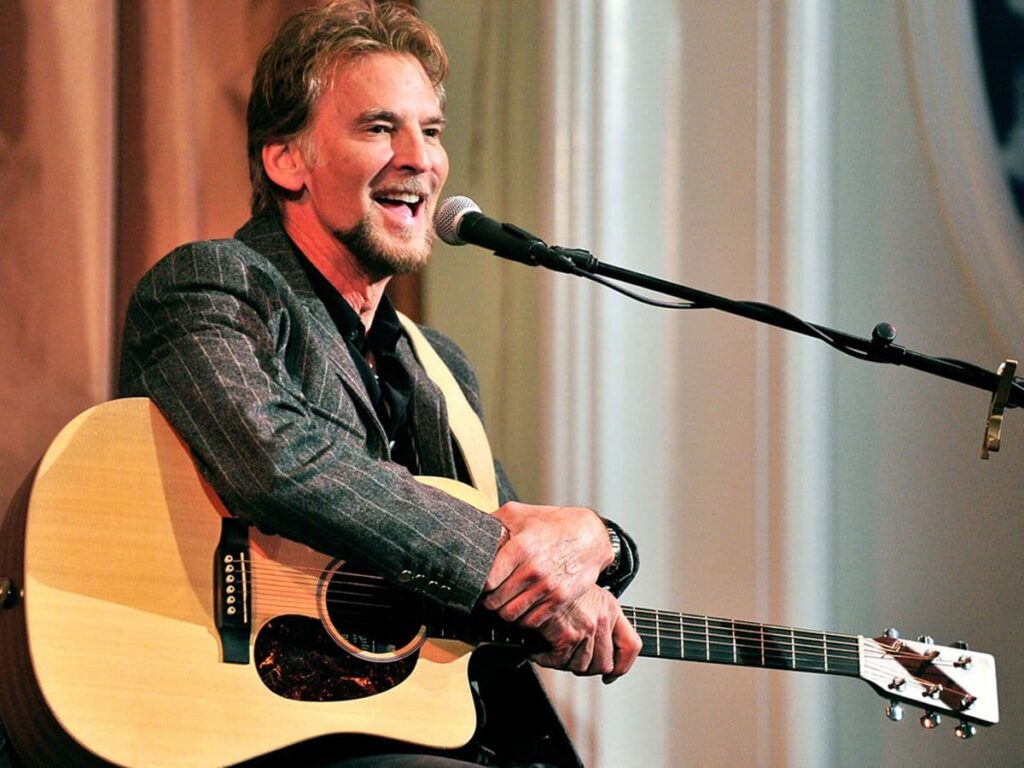
The song is a blast of pure, unbridled energy, a timeless call to shed your worries and dance away the rigidity of life.
There are certain songs, aren’t there? You hear the opening bars—that frantic, driving guitar riff and the thundering drums—and you’re instantly transported back to a specific time, a specific feeling. For those of us who came of age in the 1980s, that song is undeniably “Footloose” by Kenny Loggins. It’s more than just a pop hit; it’s the sound of a generation shaking off the dust and demanding the right to simply move.
“Footloose” was an unqualified commercial juggernaut. Released in 1984 as the theme song for the motion picture of the same name, it immediately resonated with audiences. The single soared up the Billboard Hot 100 chart, ultimately reaching the coveted No. 1 position on March 31, 1984, and holding that spot for three glorious weeks. It was, in fact, the biggest hit of Kenny Loggins’ already storied career, solidifying his reputation as the “King of the Movie Soundtrack” following earlier successes like “I’m Alright” from Caddyshack. The entire “Footloose” soundtrack, which also featured classics like Deniece Williams’ “Let’s Hear It for the Boy” and Bonnie Tyler’s “Holding Out for a Hero,” sold millions, becoming one of the best-selling soundtracks of all time. This phenomenal chart success wasn’t accidental; it tapped directly into a profound cultural nerve.
The story behind the film and its iconic title track is a wonderfully bizarre slice of Americana. Screenwriter Dean Pitchford was inspired by a remarkable, true-life tale from Elmore City, Oklahoma. In a town where an antiquated 1898 law outlawing dancing remained on the books, the high school junior class of 1980 dared to petition the school board to allow them to hold a prom. The motion was fiercely opposed by local religious leaders, who saw dancing as a precursor to “sexual arousal” and heavy drinking. But eventually, the vote was broken, and the kids won the right to dance. Pitchford, captivated by this seemingly unbelievable modern-day clash between rigid dogma and youthful exuberance, built his screenplay around it.
He then teamed up with Kenny Loggins to write the key songs. The collaboration for “Footloose” took place while Loggins was on the road in Lake Tahoe. Loggins was battling a broken rib he sustained from a fall on stage, while Pitchford was laid low with strep throat. Despite—or perhaps because of—their respective ailments, which surely added a layer of frustrated, pent-up energy, they hammered out the uptempo track over four days. They channeled all that yearning for release into a song that explodes with urgency from the very first beat.
At its heart, the meaning of “Footloose” transcends the simple act of dancing. The lyrics, co-written by Loggins and Pitchford, speak to the universal feeling of constraint—the kind that builds up when life, routine, or restrictive rules are “holding me down.” The phrase “cut loose, footloose” isn’t just about kicking off your Sunday shoes; it’s an instruction manual for reclaiming personal freedom. The song is about a necessary, cathartic emotional pressure release. When the singer declares, “I’ll hit the ceiling, or else I’ll tear up this town,” he’s articulating the anxiety and frustration of a mundane or overly controlled existence. The dance floor becomes a metaphor for that essential human longing to be unfettered, to express the sheer joy of living without judgment or permission. It’s a primal, joyous expression of self, a musical middle finger to any authority that tries to tell you how to feel or how to move.
For those of us who lived through that era, the song will forever evoke the neon lights, big hair, and carefree spirit of the ’80s. But its enduring charm is that its message—the need to break free—is truly timeless. It’s why, decades later, when those opening chords hit, you can’t help but tap your toes. It’s the soundtrack to our youth, a persistent, joyful reminder that sometimes, you just have to “lose your blues” and dance.