
When the Bubble Bursts: The Audacious Sting of a Teen Idol’s Reckoning
A bold, desperate sonic statement marking the defiant, yet commercially unsuccessful, transition of a teen idol into New Wave territory.
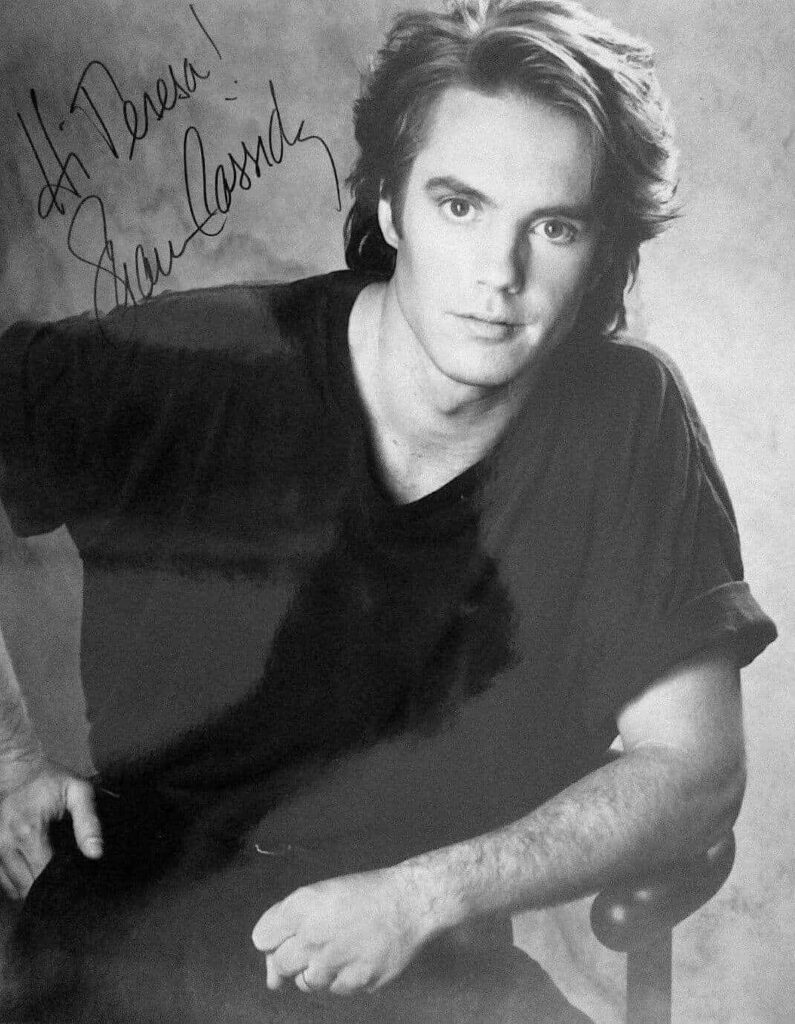
There are moments in the history of pop music that stand as stark, almost painful reminders of the fleeting, often ruthless nature of celebrity—especially for those molded in the saccharine world of the teen idol. By 1980, the glossy posters of the late ’70s had started to peel, and the bubblegum glow surrounding Shaun Cassidy—the star of The Hardy Boys Mysteries and the voice behind massive hits like “Da Doo Ron Ron”—was dramatically dimming. His previous albums had failed to capture the once-feverish attention of the American market, and the landscape of popular music was shifting, embracing the angular, synth-heavy sounds of New Wave and punk-pop. It was against this backdrop of fading fame and changing tides that Cassidy made a truly audacious, all-or-nothing move: the release of his fifth and final studio album, the aggressively titled Wasp.
The song we reflect upon, the album’s title track, “Wasp,” is perhaps the most pointed encapsulation of this attempted reinvention. It’s a jarring piece of musical theater that, ironically, highlights the desperation of the effort. A crucial piece of information for those tracking the legacy of Shaun Cassidy is that neither the album Wasp nor its title track “Wasp” achieved a significant chart position in the U.S. Billboard Hot 100 or the Top 200 Albums chart at the time of its 1980 release. The teen idol’s golden touch had truly run out, and the public, it seemed, was unwilling to accept this new, edgy iteration of the boy they once adored. Commercially, it was a massive flop, the final curtain call for Cassidy‘s recording career.
But to dismiss “Wasp” merely on its commercial failure is to miss its fascinating story and meaning. The narrative behind this seismic shift rests squarely on the shoulders of two key figures: Shaun Cassidy himself, determined to gain the artistic credibility his bubblegum past had denied him, and the eclectic, often brilliant producer Todd Rundgren. Cassidy recruited Rundgren and his band, Utopia, to produce and perform on the record, injecting it with a decidedly “new wave” feel. They stripped away the clean, innocent sheen of the past, opting for a jarring mix of Rundgren originals (like the title track), bold covers of songs by artists like David Bowie, Talking Heads, and The Who, and a dark, synthesized aesthetic.
The song “Wasp” itself, penned by Rundgren, is a chaotic, unsettling tune that seemed intentionally designed to alienate the remaining faithful fans of the former heartthrob. It’s a cynical, theatrical piece of new wave rock, a jarring departure from “That’s Rock ‘n’ Roll.” The lyrics are confrontational, filled with a frantic energy and a slightly manic edge. The very title, coupled with the album cover image of a wasp near Cassidy‘s face, perfectly symbolizes the “sting” of the transition—a painful, risky move to inject venom and gravitas into a career built on sweetness. The meaning, in retrospect, is about the pressure of maintaining an identity, the frustration of being pigeonholed, and the ultimate attempt to break free from the past, no matter the commercial cost.
For those of us who remember the high-gloss days of Shaun Cassidy—the way his poster adorned countless bedroom walls, the way “Da Doo Ron Ron” sounded on an AM radio during a summer drive—the album Wasp and the song “Wasp” itself are profoundly nostalgic, albeit complex, memories. They mark the moment the sun set on an era. It’s the sound of a musician trying desperately to grow up in public, shedding the chrysalis of teen-pop celebrity for something darker, harder, and ultimately more real. It serves as a testament to an artist’s willingness to risk everything for artistic integrity, even if that risk meant ending his run as a chart fixture. It was an honest, if ill-fated, artistic lurch into the 1980s, a final, electrifying buzz before the silence.