
A Haunting Echo from the Trenches: The Unseen Scars of War
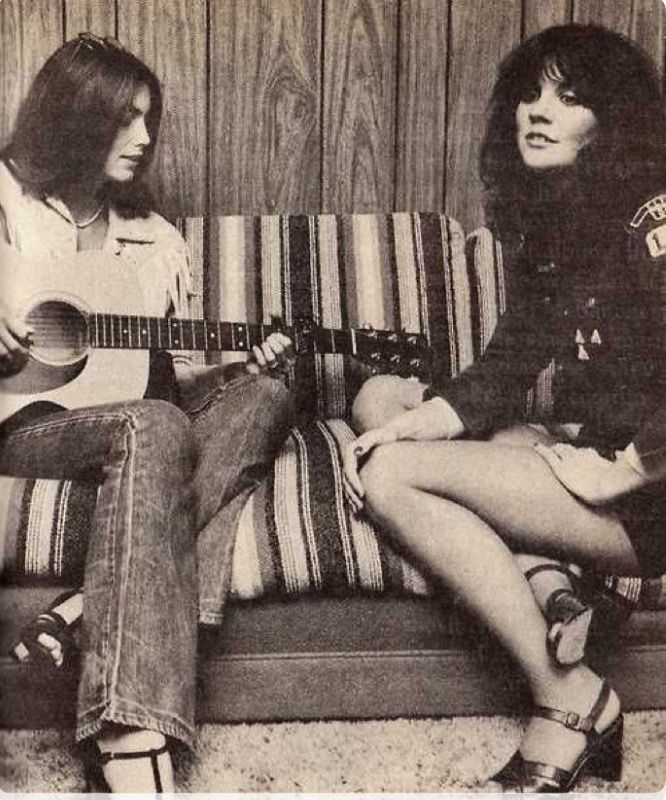
Some songs feel less like a tune you listen to and more like a story whispered in the dark, a memory you didn’t know was yours. Linda Ronstadt and Emmylou Harris‘s rendition of David Olney’s “1917” is precisely that. It’s a piece that doesn’t just ask you to listen, but to remember and feel, to step back in time to an era of profound loss and quiet desperation. It’s a song that, while not a chart-topper itself, is a testament to the powerful, enduring bond of these two legendary vocalists and their shared artistic vision on the 1999 album, Western Wall: The Tucson Sessions. This album, a long-awaited full-length collaboration between the two, served as a poignant reminder of their individual genius and their magical synergy, a partnership that had previously delighted fans on the critically acclaimed Trio albums with Dolly Parton.
“1917” tells its cinematic story from the perspective of a prostitute, a woman who offers a fleeting escape to a parade of “strange young men” who are soldiers on a three-day spree. They are young men who have seen the unspeakable horrors of World War I, and their pain is a tangible presence in the song. The woman describes their desperate need for human connection, for a moment of forgetfulness, and a woman’s arms to hide them. The lyrics paint a picture of men who are outwardly proud but inwardly shattered, their laughter a facade for the deep-seated trauma they carry. It’s a poignant exploration of the unseen casualties of war—the emotional and psychological scars that linger long after the battles have ended. Olney’s songwriting, with its brittle, stark realism, is perfectly suited for the voices of Harris and Ronstadt, who, in turn, breathe life and a haunting emotional weight into every line. Their harmonies don’t just blend; they intertwine, each voice a thread in a rich, sorrowful tapestry. They capture the quiet dignity of the woman telling the story and the profound sadness of the soldiers she encounters. The song is a mournful and compassionate narrative, a glimpse into the hidden lives and hidden wounds of a bygone era. It’s a song for those who remember the black-and-white photos of their grandparents in uniform, for those who grew up hearing stories of a world forever changed by a war that was supposed to end all wars.
This is a song that feels like a forgotten heirloom, discovered in an old trunk—a letter from the past that speaks to timeless truths about human frailty, the search for solace, and the heavy price of conflict. The enduring power of “1917” lies not in its commercial success, but in its ability to transport us to a moment in history and make us feel the silent grief of those who lived through it.